How to Treat a Cat's Broken Nail: Vet-Approved Care Tips & FAQ


In this article
Cats are curious creatures and sometimes get into accidents, which can lead to injuries like a broken nail. If your cat has injured its nail, it’s important to know how to properly treat the wound in order to help your pet heal quickly and comfortably. Here is what you need to do when treating a broken nail in a cat.

Before We Begin
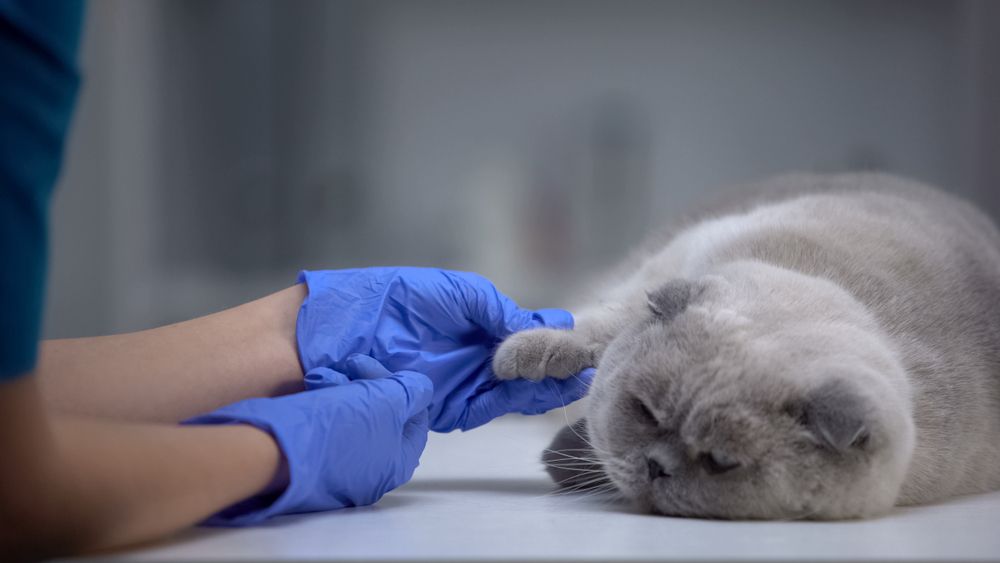
Before you start treating the wound at home, it’s important to make sure that doing so is in your cat’s best interest rather than taking them to the vet. If you notice blood, your cat is limping or constantly licking their paw, or your cat does not let you near their paw, a trip to the vet should be the first course of action.
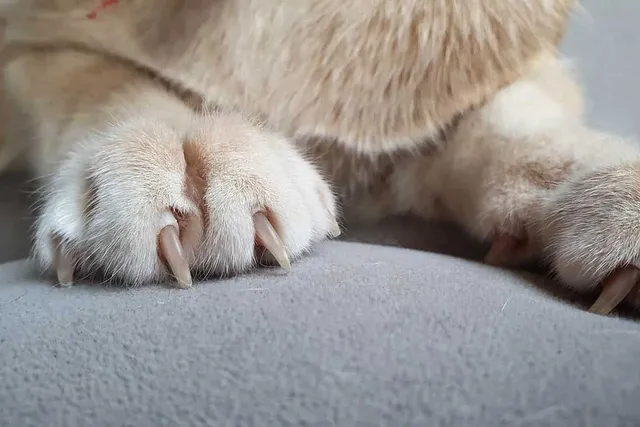
Cat nail injuries can be very painful. Sometimes the loose fragment of the nail is hanging off and needs to be trimmed before you start, otherwise your cat won’t be happy with the manipulation.

Given typical cat behavior and their ability to hide signs of disease, it is also possible that the nail injury happened a few days back and there is already an infection forming. If that is the case, you may notice a bad smell, pus-like discharge, and signs of pain. This requires vet intervention as soon as possible so that the infection gets prompt treatment and does not spread to the bone, for example.
Once you know you can deal with your cat’s nail at home, make sure you have everything you need. Gather a pair of gloves, cotton swab, antiseptic wash or cream, gauze pads, and scissors. Do not forget your cat’s favorite treats! It is also helpful to have someone else present during the treatment in case your cat gets too distressed and needs to be comforted. A towel or a small blanket may be necessary in case you need to comfort your cat using the “burrito technique.”1

The 3 Steps to Treat a Cat's Broken Nail
1. Clean the Wound Area
Use a cotton swab dipped in antiseptic wash and gently apply it around the nail bed. This will help get rid of any dirt or debris and kill any bacteria that may be present and reduce the risk of infection.
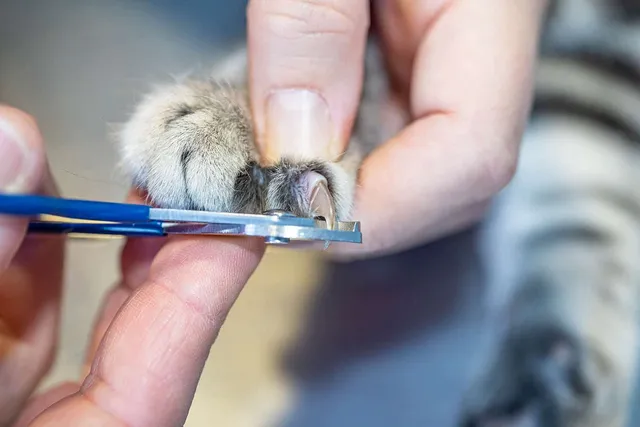
2. Trim Away Any Damaged Nail
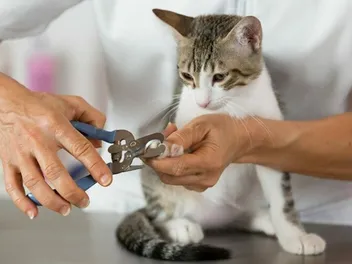
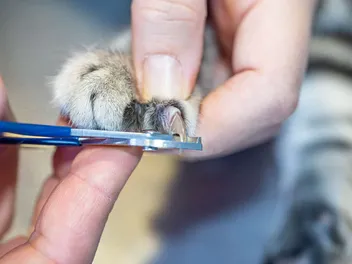
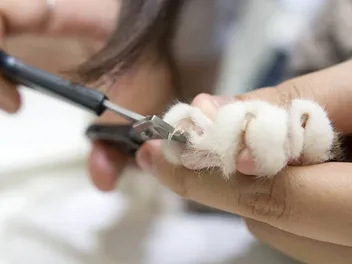
Use nail clippers to gently trim off any part of the broken nail that is still attached to the skin. Be sure that you don’t cut too deeply. You should not go beyond the pink line (the little blood vessel that runs through your cat’s nail), as this could cause further damage.

- Complete Set - These cat nail clippers include both a large and small pair, meaning it works well as a kitten claw trimmer when they're a small kitty, and then before you know it, as a cat nail cutter
- Razor Sharp Stainless Steel - The most comfortable cat nail clippers for indoor cats provide a fast and clean cut. And for rough residuals remaining, the free cat nail file included can smooth it all.
- Safety First - With a safety nail guard and locking spring, you can make sure every grooming cut is stress free for you, and pain free for your purry pal
Keeping your cat's paws healthy starts with keeping their nails trimmed. A great set of clippers like the Hepper Cat Nail Clipper Set can help you safely and easily do this at home. This set includes two sizes of clippers with stainless steel blades, built-in safety guards, and comfortable handles, along with a nail file and a storage pouch. Get ready for easy nail trimming!
At Catster, we’ve admired Hepper for many years and decided to take a controlling ownership interest so that we could benefit from the outstanding designs of this cool cat company!
3. Monitor Your Cat's Progress
Keep an eye on your pet over the next few days to make sure the nail is healing properly. If you notice any signs of infection, contact your veterinarian immediately for further treatment.

How to Change Your Cat's Bandages
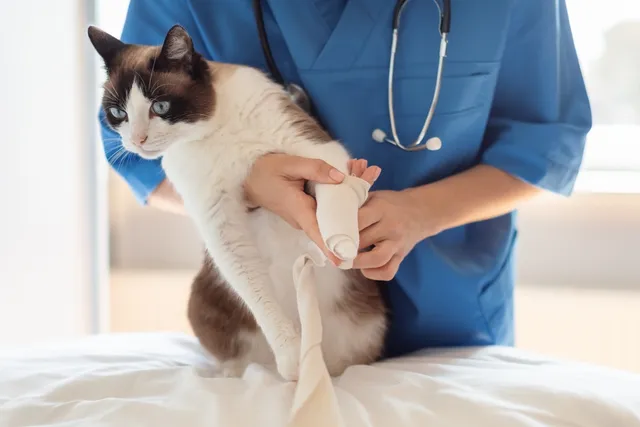
A broken nail should not need a dressing. However, here is a guide on how to change your cat’s bandage in case it is recommended by your vet.
To do this:
How to Tell if Your Cat's Paw Is Infected
It’s important to monitor your cat’s paw for signs of infection, such as redness or swelling, increased pain, foul-smelling discharge, or excessive licking. If you notice any of these signs, contact your veterinarian immediately so they can prescribe appropriate antibiotics and/or other treatments.
The 10 Tips to Keep Your Cat Calm During Treatment
Some cats, especially those who are afraid or in pain, can be difficult to handle.
Here are a few strategies to help keep your cat calm during treatment:
When to Treat a Cat’s Broken Nail at Home and When to Let the Vet Handle It
It is important to remember that while some minor injuries can be treated at home, any wound should first be seen by a veterinarian, as soon as possible. In particular, if you notice blood, a visible open wound, or signs of infection, it is critical to seek veterinary advice rather than attempting to treat it yourself. Your vet may recommend painkillers, antibiotics, or other medications for your cat to help prevent or fight infection and reduce inflammation and pain.
In some cases, a veterinarian may need to perform surgery in order to repair more serious wounds or fractures. Your vet may also recommend special bandages or splints to help protect the wound and give it time to heal properly.

Frequently Asked Questions
How often should I change my cat’s bandage?
It is best to change the bandage at least every 24 hours, or as often as directed by your veterinarian.
How long does it take for a cat’s broken nail to heal?
The healing process can vary depending on the severity of the injury. Generally, it takes at least 4–6 weeks for a broken nail to heal completely.
Is there anything else I should do to help my cat’s broken nail heal faster?
Make sure you keep your cat indoors and prevent them from licking the broken nail. Monitor their progress closely and speak to your veterinarian if in doubt. You can also consider giving your cat extra TLC by providing them with lots of cuddles and love while they recover.

Is there a chance of infection if I don’t treat my cat’s broken nail properly?
A: Yes, there is always a risk of infection when dealing with any type of wound. It is important to follow your vet’s instructions for treatment and monitor the area closely for signs of infection. If you notice any redness or swelling, foul-smelling discharge, excessive licking, or increased pain, contact your veterinarian immediately.
Are there any home remedies I can use to help my cat’s broken nail heal?
No. It is important to follow your veterinarian’s instructions for treatment and monitor the area closely. Home remedies are not recommended, as they can be ineffective or even worsen the injury.
Should I take my cat in for a checkup after the wound has healed?
Yes. It is always a good idea to take your cat for a checkup once the nail has healed, just to make sure there are no lingering issues or complications. This will also give you peace of mind knowing that your cat is fully recovered.
What should I do if the wound is bleeding excessively?
In this case, it is important to seek veterinary help as soon as possible. Apply gentle pressure to the wound with a clean cloth or gauze and contact your veterinarian immediately. They may advise you on further steps to take or ask you to bring your cat in for emergency treatment.

What if it's a feral cat?
If you find a feral cat with an injured nail, it is best to contact your local wildlife or animal rescue organization. They will be able to provide the best advice on how to help the cat and treat their injury. It is important not to attempt to treat a feral cat yourself, as they may be difficult to handle and can possibly become aggressive.
Can my dog groomer fix a cat's broken nail?
No. Your dog groomer should not attempt to fix a cat’s broken nail, as they are not trained in the proper techniques for managing the delicate circulatory system of cats’ nails. It is best to seek veterinary advice for any injury or issue involving your cat’s nails. If the nail has a ridge or crack that needs to be addressed, it's perfectly appropriate for your groomer to do this. If it's more than a cosmetic issue, you're better off going to a vet.
Can a broken nail be painful for my cat?
Yes, a broken nail can be quite painful for cats. It is important to seek medical attention if you notice any signs of pain or discomfort, such as limping, licking excessively, or avoiding contact. Your veterinarian can provide medication to control your cat’s pain and lessen their suffering!
Conclusion
Treating a broken nail in cats is not always easy but it can be done with the right steps. Be sure to take the correct precautions when caring for your pet’s wound and contact your veterinarian if you have any concerns or questions. With a little patience and care, you can help ensure that your cat gets back to feeling better and being active in no time.
Featured Image Credit: Motortion Films, Shutterstock
Expert cat care, straight to your inbox
News, insights, and useful advice, delivered to you.

No spam — unsubscribe anytime.
By signing up, you agree to our Terms & Conditions and Privacy & Cookies Policy.
How useful was this post?
Click a star to rate. You can leave written feedback afterwards. (We read all feedback.)
Christian started writing for a local newspaper as a teenager, and he's been involved in the publishing industry for most of his adult life. Combining his love of writing with a passion for animals, he is currently the Director of Editorial at Pangolia and the Editor-in-Chief at Catster.
Christian lives in the Philippines with his wife, son, and four rescue cats: Trixie, Chloe, Sparky, and Chopper.