How To Stop a Cat From Putting Their Paws In Their Water: 3 Tips & Tricks

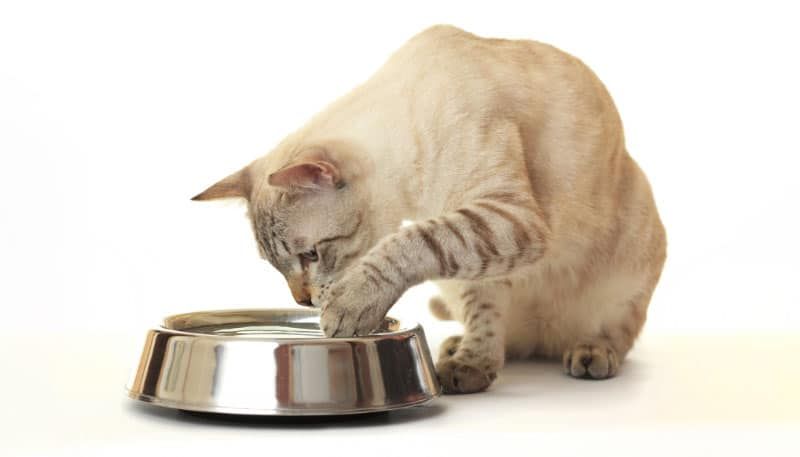
Cats are often considered incredibly water averse, which probably brings a smile to any cat companion who’s watched their buddy become mesmerized by a flushing toilet or transfixed by water dripping from a faucet. Splashing in water bowls is a popular feline activity. Cats put their paws in their water bowls for several reasons. Sometimes, it’s for fun, but it can also be because they prefer drinking moving water.
Cats also use their paws as communicative instruments when concerned about something involving their water bowl situation. Keep reading for a step-by-step guide to keep cats from putting their paws in their water bowls.

Before Getting Started
Feline water activities can be motivated by fun or linked to instinctive behaviors. Determining your cat’s motivation is the first step in figuring out how to address the issue.
Play
Cats enjoy playing with water as long as the activity is on their terms. Batting at water drops, as they fall from faucets, is often high up on the list of their favorite pastimes. Some breeds, such as Bengal cats and Maine Coon cats, are fascinated with water! Cats that enjoy playing with water a bit too much can be encouraged to enjoy their aquatic activities in places that won’t leave a mess.

Running Water
Cats often prefer to drink water that’s flowing. It tastes fresher and is usually a bit cleaner. Some cats use their paws to stir sitting water because it adds just the right amount of movement. Cats that like to sip running water may prefer having a fountain to drink out of.
Taste and Cleanliness
Cats have high standards when it comes to water and bowls. Some bat at their water if they’re not entirely happy with something like the material their bowl is made out of or its location. Environmental fixes often help in these situations.
The 3 Tips & Tricks to Keep Cats From Putting Their Paws in Water Bowls
Below, you’ll find a few tips and tricks to encourage your cat to leave their water bowl alone.
1. Give Your Cat Better Alternatives
If you’ve determined that your cat is simply having a good time, you may be able to convince your buddy to “reform” their ways by providing them with better alternatives and encouraging them to move in that direction using positive reinforcement.
Approved Water Playground
Consider providing your cat with a water playground in the tub or shower to allow them to enjoy splashing and batting water without creating a complete mess in the kitchen. Cats that play with water will most likely jump at the chance to take care of a ball floating in a pan of water in the safe confines of the shower.
More Toys
Cats that enjoy playing with water may move their interest in a different direction if provided with sufficiently interesting alternatives. Consider giving your cat a few new toys and aim for variety; hopefully, you’ll find something that delights your buddy enough to convince them to limit their aquatic activities.
Adding high perches and window lookouts may also help by providing cats with multiple fun ways to spend their time.

2. Give Your Cat a Fountain
Some cats love fountains. They encourage cats to drink more (which ensures they stay properly hydrated) and provide entertainment for kitties that enjoy watching water run. Simple fountains provide a continuous flow of water and include filters, but there are also high-end options that come with automatic shut-off functionality and multiple water-flow speed options.
Plastic fountains cost less than stainless steel products but can be challenging to keep squeaky clean. Almost all cat fountains require regular disassembly and cleaning.
3. Address Feline Concerns Regarding Water Bowl Placement and Material
If you think your cat may have an issue with their water setup, there are a few things you can do that may fix things.
Hygiene
Cats have sensitive noses and can smell things that humans simply can’t. They sometimes use their paws to investigate their water bowl when the water is not fresh. Washing the bowl regularly with hot water and soap and replacing the water a few times daily can help keep things nice and fresh.
Choose a Different Bowl
Many cats don’t like drinking from certain types of bowls. Plastic, in particular, is notorious for holding onto bacteria and giving the water a taste and smell many cats dislike. Stainless steel and ceramic bowls hold onto fewer smells and are incredibly easy to keep clean. Also, most cats prefer to drink out of wide bowls that aren’t too deep.
Water Bowl Placement
Cats generally like to have their water bowls in quiet locations that aren’t exposed to loud noises. Many don’t like to eat and drink in the same place and prefer water that doesn’t smell like food. A bit of distance between litter boxes and water bowls is also appreciated.

Conclusion
Cats often stick their paws into their water bowls to play in the water. However, they can also do so because they prefer to drink moving water when they’re not entirely happy with their bowl or where it’s placed. Providing cats with appropriate ways and places to play with water can sometimes help.
Fountains encourage cats to stay hydrated and allow pets to enjoy flowing water without using their paws. Replacing the bowl with a ceramic or stainless steel one or moving it to a better location can also keep your cat from splashing in the water.
Sources
Featured Image Credit: yykkaa, Shutterstock
Expert cat care, straight to your inbox
News, insights, and useful advice, delivered to you.

No spam — unsubscribe anytime.
By signing up, you agree to our Terms & Conditions and Privacy & Cookies Policy.
How useful was this post?
Click a star to rate. You can leave written feedback afterwards. (We read all feedback.)
Lorre Luther is a writer who is firmly convinced that cats are smarter than humans. She left her law career in the United States and moved to the Netherlands to follow her dream of becoming a writer. Lorre currently lives in Rotterdam, she enjoys traveling and greatly appreciates the beauty of nature. Lorre has a spot for animals and admires the intelligence of cats.