How to Keep Cats Away From Chickens: 8 Vet-Approved Tips


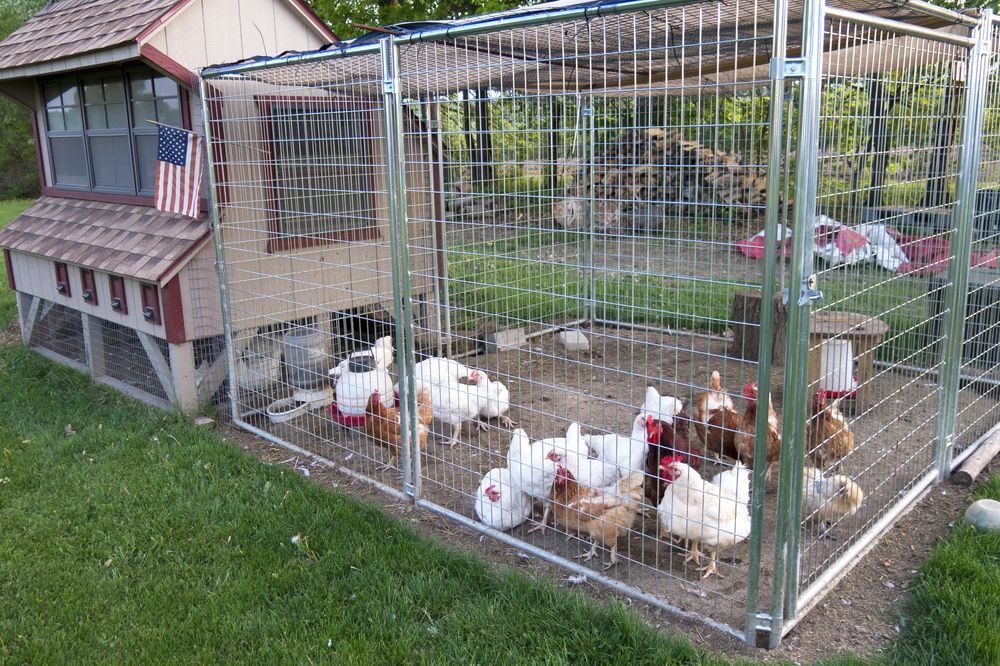
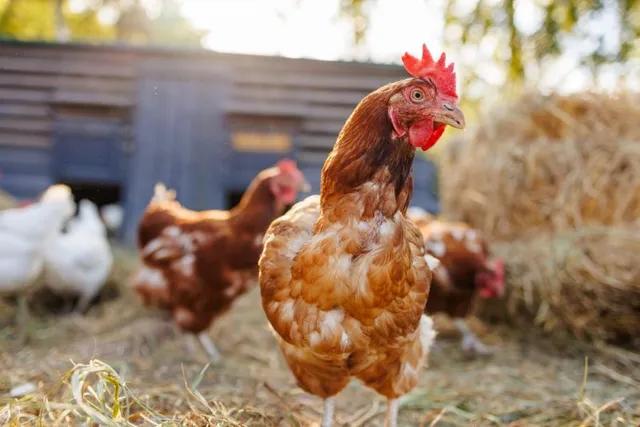
Keeping chicken flocks has become increasingly popular globally. Many urban homesteaders and families interested in having fresh eggs are keeping chickens, often introducing the birds into environments populated with cats.
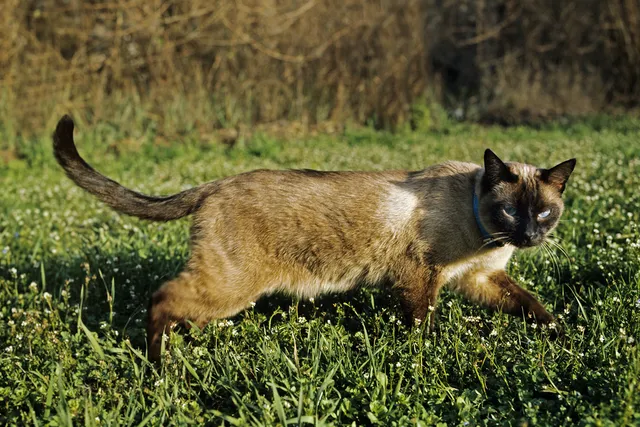
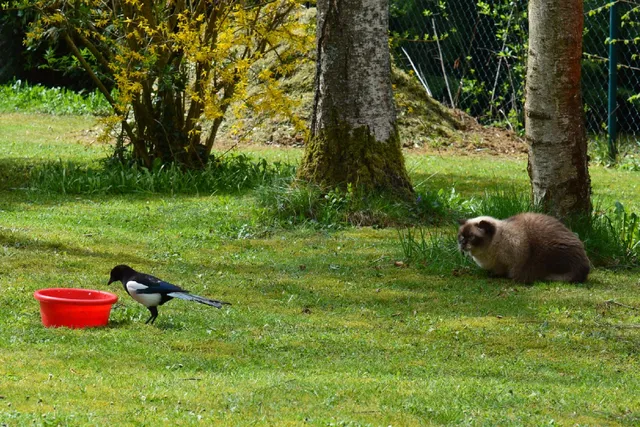
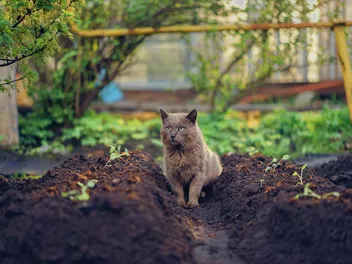
Cats are curious creatures that love to investigate, explore, prowl, and pounce. They are predators, after all, and stalking, chasing, and ultimately killing birds is deeply etched into their DNA, which can be a massive problem if you have chickens!
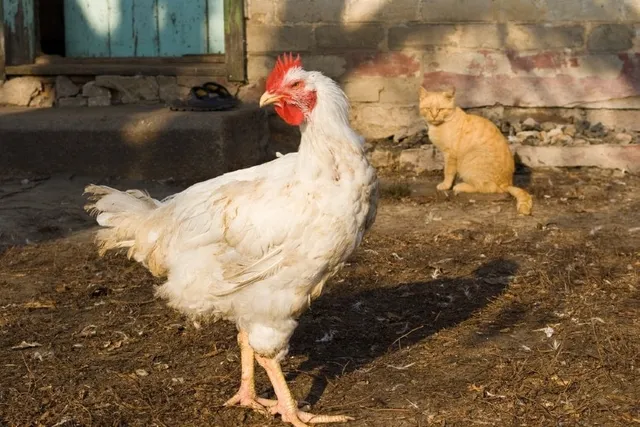
Felines typically won’t bother fully grown chickens, and the birds tend to scare off marauding kitties quite easily. Still, many chicken farmers have trouble with cats wreaking havoc on, tormenting, stalking, and even killing chicks that are just the right size to interest prowling felines. Read on for easy ways to keep cats away from your chickens.

The 8 Tips to Keep Cats Away From Chickens
1. Install Wire Enclosures

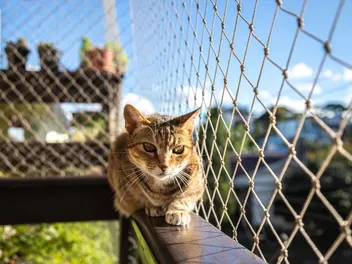
Wire enclosures are quite effective in keeping predators such as cats away from your chickens. There are two options available: commercial, prefabricated chicken runs that often come with everything your birds need to enjoy their environment and DIY fences you can build yourself.
Chicken runs are like all-inclusive bird homes. They’re great if you don’t have much time or the expertise to build your fencing, and they are designed to be easy to assemble. There are even mobile options that make it easy for you to move your chickens’ home from place to place in your yard. DIY fencing enables you to construct an enclosure just right for your yard. All fenced enclosures need to be covered to be effective at keeping cats at bay.
2. Opt for Larger Breeds
While most cats naturally avoid fully grown chickens, some breeds have adult birds the right size to possibly deter predatory cats. Small birds, such as Silkies and Old English Game chickens, should be avoided if you have a cat predation problem. Consider larger breeds, such as Jersey Giants, Australorps, and Brahmas, that are sizable enough to repel domestic cats.
3. Install Motion Sensor Lights and Sprinklers

Cats enjoy getting out and about around dusk and dawn, but feral cats will hunt whenever the opportunity presents itself. Many cats also enjoy a good nighttime prowl for prey. Motion-sensing lights take advantage of this tendency and essentially startle prowling cats, discouraging them from continuing their chicken-stealing plans.
Once installed, the lights will illuminate your chicken coop when there’s motion around the perimeter. Not only will the lights startle any prowling cat, but they’ll also alert your birds and take away a stalking cat’s element of surprise, increasing the chances your birds will be able to repel a cat attack. Unfortunately, some cats get used to motion-activated lights, making the products less effective over time. You can invest in a motion-sensing sprinkler system designed to annoy kitties by spraying water when triggered.
You may be interested in: Best Outdoor Cat Repellents – Reviews & Top Picks
4. Make a Homemade Cat Repellent
Another easy option is to create a homemade cat repellent that you can use around the chicken cage. Cats don’t like the smell of certain ingredients that you can easily find at home and that shouldn’t cause any harm to your feline friend.
Keep a close watch to ensure the repellent is effective, as some may need to be reapplied every day, and that your cat doesn’t end up licking the mixture. While the ingredients mentioned in this video aren’t toxic, they’re not ideal for your cat to ingest, especially when talking about essential oils.
- Important: Please do not spray any of the repellents from the video directly on the cat, as some of the ingredients, particularly essential oils, are quite toxic if cats ingest them through grooming or licking their fur.
5. Add a Rooster to Your Flock
Roosters tend to be much larger than hens possess more muscle mass compared to hens of the same breed and demonstrate more aggression. They also have sharp, dangerous spurs above their toes that can inflict serious harm on attacking animals, making them much harder for cats to prey on. Roosters can make a ton of noise, though, so most urban chicken farmers do not keep roosters.
Roosters will also often act as sentries to notify the flock of danger. It is worth noting though that in the absence of a rooster, a hen would take on this role.
Unfortunately, some roosters often become aggressive toward other creatures, including people, so think twice before introducing one to an environment where children might accidentally encounter and be injured by an angry bird. Such roosters are often culled (as aggression is, to an extent, a heritable trait in chickens).
In addition, roosters aren’t legal in all localities because of the noise and aggression issues, so make sure to verify the permissibility of rooster ownership before running out and purchasing one to protect your flock.
6. Adopt a Dog

Farm dogs are often great solutions for protecting chickens and other animals from predators, including cats. Most livestock protection breeds tend to be large, however, making them an impractical choice for urban homesteaders and those raising chickens in cities or on small plots of land.
Still, adopting and training a livestock protection dog can be a great option if you have enough space and patience to engage in the required training. Popular livestock protection dogs include Great Pyrenees, Anatolian Shepherds, Komondors, and Polish Tatra Sheepdogs. Try to adopt your guard dog from someone who specializes in breeding poultry guard dogs; this may make the training process easier.
7. Pick the Right Spot
While setting your coop up under a tree may seem like a great way to provide your birds with shade, it can increase the chance of a cat attack. Kitties love to climb trees, and they love to survey the land from high perches. Not only will having nearby trees lure felines to the environment, but it’ll also give them the perfect vantage point from which to devise a plan of attack. If you’re dealing with a particularly clever cat or a breed with enhanced climbing and hunting instincts, the cat will likely climb the tree and drop down into your chicken coop.
8. Invest in a Brooder Cover

Cats are most likely to go after chicks, as they’re small, defenseless, and a bit awkward on their feet. Many chicken farmers keep their chicks in brooders for the first 6 weeks after hatching to provide warmth and a relatively safe environment. While using a brooder is a great way to minimize the chances of a cat making off with one of your vulnerable chicks, you’ll need to take an extra step to keep the cats away: Cover your brooder, so there’s no way for sneaky felines to jump into your enclosure.
While you can always purchase a brooder cover that keeps the neighborhood cats out, it’s also simple to create your own. All you need is fencing or mesh to place over the top of the brooder.

Final Thoughts
Raising chickens is a great way to get fresh eggs, and as an added benefit, you’ll know your laying hens were treated well and not subjected to the horrors of industrial poultry farming! No matter where you live, protecting your chickens from cats and other predatory animals is always a challenge. Although most cats won’t bother grown birds, they will happily make a snack of a chick or two. By implementing one or two of these solutions, you can keep roaming cats away from your chickens.
Related Read: Will Cats Protect Chickens? Our Vet Answers
Sources
Featured Image Credit: John Panella, Shutterstock
Expert cat care, straight to your inbox
News, insights, and useful advice, delivered to you.

No spam — unsubscribe anytime.
By signing up, you agree to our Terms & Conditions and Privacy & Cookies Policy.
How useful was this post?
Click a star to rate. You can leave written feedback afterwards. (We read all feedback.)
Lorre Luther is a writer who is firmly convinced that cats are smarter than humans. She left her law career in the United States and moved to the Netherlands to follow her dream of becoming a writer. Lorre currently lives in Rotterdam, she enjoys traveling and greatly appreciates the beauty of nature. Lorre has a spot for animals and admires the intelligence of cats.