Get

In Your Inbox

Catster is reader-supported. When you buy via links on our site, we may earn an affiliate commission at no cost to you. Learn more.

How to Keep a Collar on a Cat: 5 Vet-Verified Easy Tips & Tricks

Share

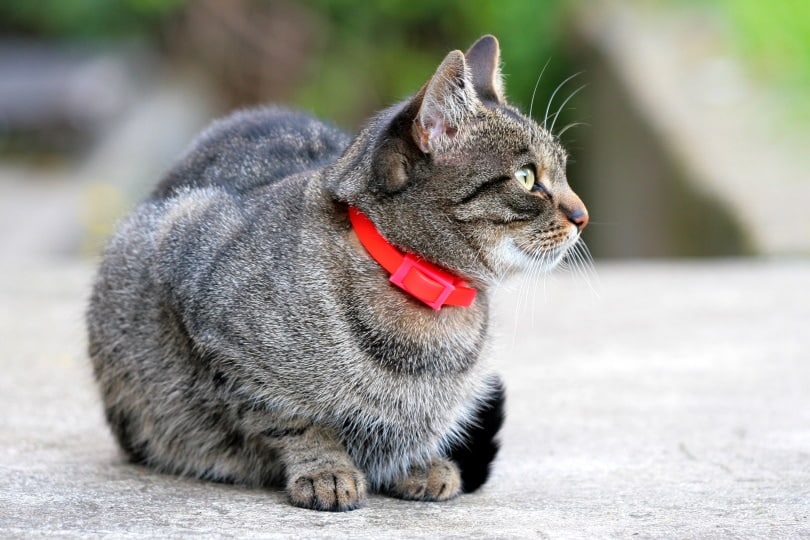
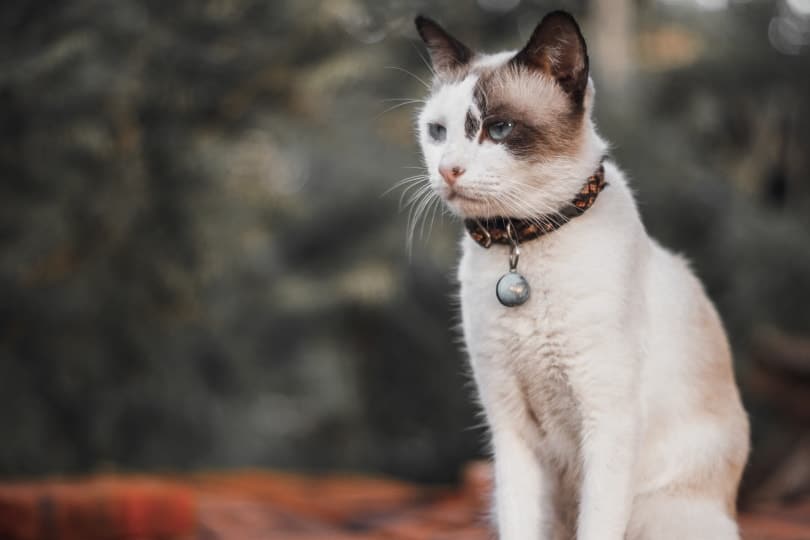
cat with red calming collar

Whether a breakaway or traditional product, keeping a collar on a cat can be quite a task for every pet owner. While most people associate collars with dogs, it’s also a good idea for your cat to wear one if they go outdoors since you have no place to put a tag without one.

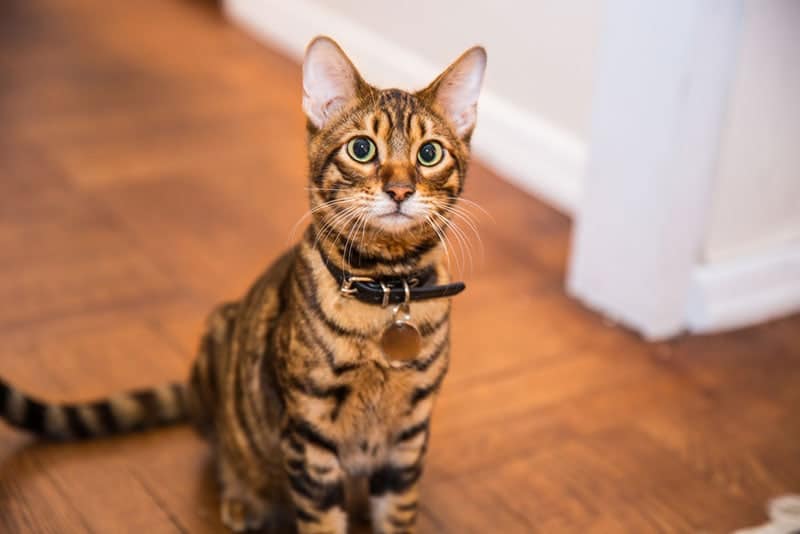
If you have a collar with a tag containing your information, you have a much better chance of your cat being returned if it should wander off from home and can’t find its way back.

However, even though you know you should keep a collar on your cat, sometimes it’s a task that’s easier said than done. In this article, we’ll give you a few tips and tricks for keeping a collar on your cat and a little bit more.

divider 2 cats

The 5 Tips to Keep a Collar on a Cat

1. Start with a Relaxed, Happy Cat

Once you know your cat is relaxed and happy, put the collar on the floor in front of your feline. Let the cat investigate and play with the collar as long as it wants to.

It’s important to start when your cat isn’t stressed because if you put the collar on it when it’s overexcited or anxious, you won’t have good results. The cat might start associating the collar with being stressed, and you’ll never get it to wear one.

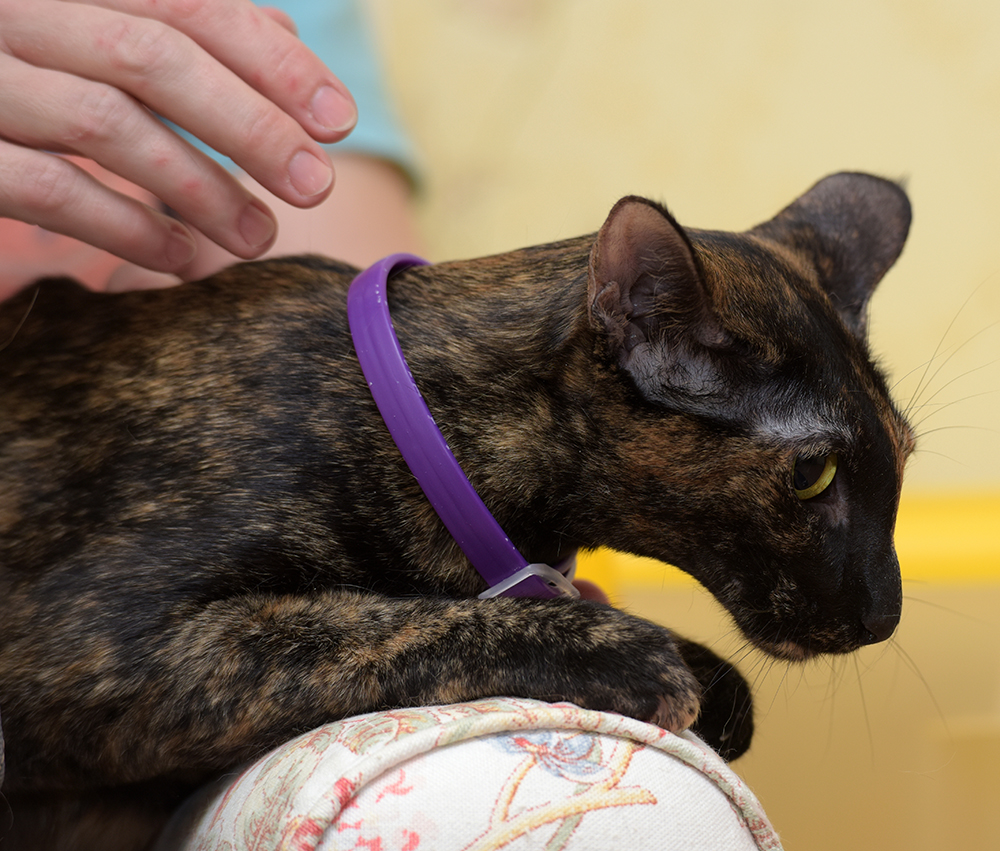
putting a collar on a cat
Image Credit: Patara91, Shutterstock

2. Use an ID Tube

Many cat owners say that the tags on the breakaway collars cause their cats to be able to remove the collar easily. One way to avoid this is to use an ID tube instead. You can easily order the ID tube, and it’s pretty simple to attach to your cat’s collar, which will help to keep your cat from breaking or opening the clasp.

Of course, this is no guarantee, as cats are known to be Houdini’s and might find a way to get the collar off anyway.


3. Opt for a Stretch Collar Instead

It is possible that a normal collar feels uncomfortable on your cat. A stretch collar might be easier to wear while keeping your pet safe by letting them escape should something happen.

Cats are curious creatures and climb any and everything they can find. The stretch collar is flexible enough to come off your cat should they get hung up somewhere and need to escape. The only drawback to a stretch collar is that some cats find it easy to take off.

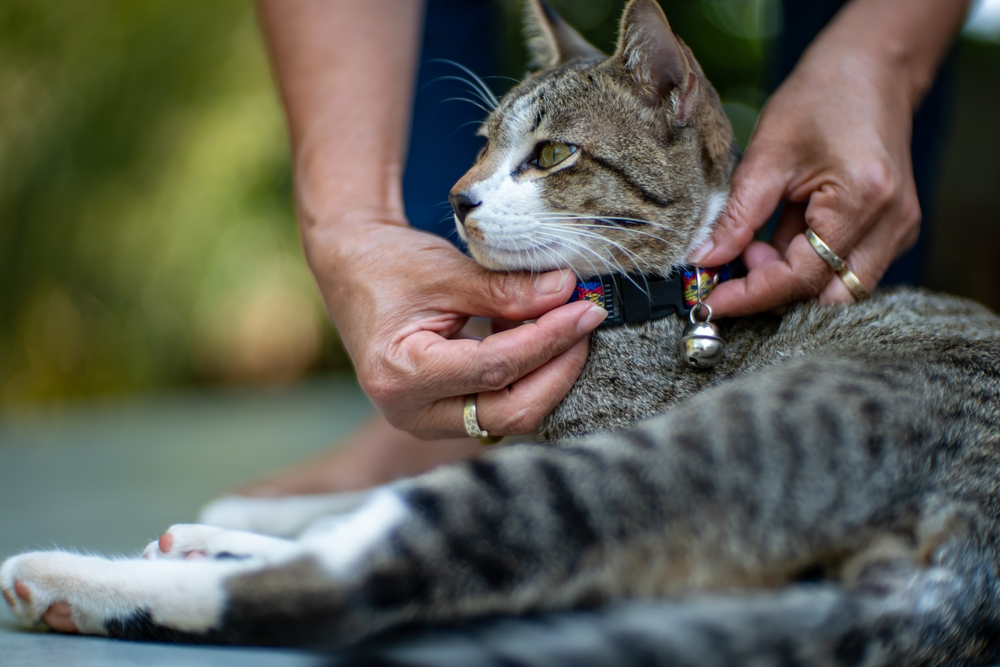
person holding a gray cat with collar
Image Credit: Artem Beliaikin, Unsplash

4. Train Your Cat as a Kitten

If you have recently adopted a kitten, the best way to keep the cat from taking off its collar as it ages is to train the kitten to wear the collar when it’s young. You can do this through a rewards system, giving the kitten a treat when it keeps the collar on instead of trying to take it off.

Remember, as with anything else you try to train an animal to do, training a cat to keep a collar on will take determination, patience, and a lot of love.


5. Consider Microchipping Instead

While you may have already microchipped your cat, if you haven’t, it might be the best way to ensure you can find your cat if something happens. This way, you don’t have to depend on a collar and tag to bring your lost feline home if it should become lost.

There are many benefits to microchipping and if your cat will not keep on a collar, this might be the best and only option for you.

These are just a few tips and tricks for keeping a collar on your feline companion. Sometimes, these tips will work, and sometimes cats refuse to keep the collar on, and chipping the cat is your best option. You can also consult a vet for recommendations on how to keep a collar on your cat.

divider 3 paws

Should You Put a Collar on Your Cat?

There is much debate on whether you should or shouldn’t put a collar on your cat. We’ll give you a few pros and cons below to help you decide.

Pros
  • Helps to identify your cat
  • Can be used as a parasite control measure
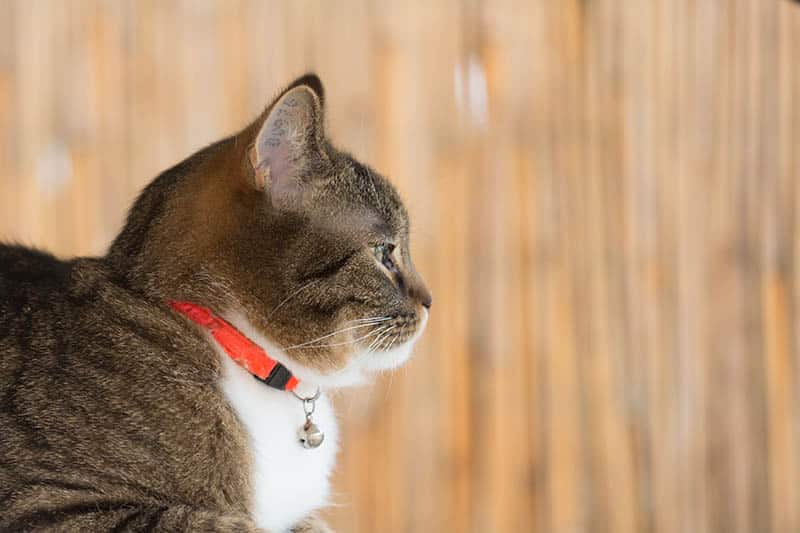
  • You can attach a bell to reduce wildlife predation
Cons
  • Could compromise the cat’s safety
  • Could get lost making your pet unidentifiable
  • The collar could fit poorly

Whether you believe in putting collars on cats or not, finding some way to keep your cat safe when it goes outside is essential. Whether you decide to microchip your cat and put a collar on them, you need the peace of mind of knowing that your cat will be returned home if it gets lost.

divider 1 paws

Conclusion

While you might not have ever heard of putting a collar on a cat, especially since they don’t like them, it’s probably a good idea if your cat is prone to running out the door or is allowed to go outside.

A collar will allow you to put a tag on your cat, so if it’s lost, it can be returned home. Hopefully, these tips and tricks will help you keep the collar on your cat so that you can easily protect your pet from harm.


Featured Image Credit: Daniel-Rajszczak-Shutterstok

Want content like this delivered to you?

Sign Up For Our Newsletter

News, insights, expert advice, and everything cat

* By submitting, you agree to our Terms & Conditions and Privacy & Cookies Policy.


How useful was this post?

Click on a star to rate (you can leave written feedback after clicking submit)

Help us improve Catster for pet parents!

Your feedback really matters.

What did you like about this post? Also how can we improve it?

Join the conversation

Leave a Reply

You’re very welcome to leave a comment or question. Please know that all comments must meet our community guidelines, and your email address will NOT be published. Let’s have a positive and constructive conversation.


Catster's Digital Magazine is Back!

Vet-approved health & behavior advice

Real cat stories & community features

Your Cat Isn’t Picky – Their Nose Is Just Bored

If you’ve ever sighed while scraping uneaten cat food into the trash, you’re certainly not alone. Many cat owners know the routine: their...

Ask Dr. Paola – Help! My Kitten Won’t Use the Litter Box! (July 27, 2026)

Welcome to our “Ask Dr. Paola” series, where every Monday we bring expert advice straight from Dr. Paola Cuevas (MVZ) to help our...

Chatting with Petra Luna About CatCrazy, Cat Food Ingredients & The Secret of E-Beams | Chatty Cattys, Episode 28

In this episode of Catster’s Chatty Cattys podcast, Nicole and Dr. Karyn welcome back Petra Luna from CatCrazy to catch up on her...

According to Vets, Most Owners Miss These Signs That a Cat is Sick

Cats are famously good at hiding discomfort. It is not stubbornness or indifference; it’s a deeply ingrained survival instinct. In the wild, showing...

More related

Cat Lymph Nodes: Vet-Verified Health Facts, Guide & Diagram

Lymph nodes are present in humans and cats, but most of us are not aware of their existence unless there’s a problem. They...

Polypropylene Glycol and Cats: Vet-Reviewed Facts & Safety Advice

Their independent nature and selective food preferences limit the number of poisoning cases involving cats. Dogs are four times more likely1 to experience...

I Just Adopted a Cat and They Won’t Stop Meowing: Vet-Reviewed Causes & Advice

You want a new family member that will always comfort you in your ups and downs, but adopting a cat can be an...

Catster’s Weekly Photo Contest Winners: Best Easter Photo (April 9, 2026)

Every week our team gets the privilege of sorting through our readers photos to choose what cats will win this weeks contest! See...

Keep reading

Can Cats Eat Peppermint? Vet-Reviewed Facts & Precautions

Peppermint is a common ingredient in many things, from food to skincare. It’s not unlikely that your cat will come into contact with peppermint at some point in their life, and if the item seems tasty enough, they might give...

Can Cats Eat Peppermint

How Often Should You Change the Water in a Cat Water Fountain? Vet-Verified Facts & Care Tips

If you struggle to get your kitty to drink water, you may have purchased a cat water fountain to encourage them to stay hydrated. The constantly running water may be more appealing to your cat than a bowl of water....

Hepper Water Fountain - Himalayan Persian White

How to Care For a 6-Month-Old Kitten: Vet-Verified Complete Guide

Kittens are typically curious, playful, feisty, and even mischievous. They are no longer tiny, fragile newborns, but they aren’t fully grown and matured either. It’s vital to understand the specific types of care that your kitty requires when they’re 6...

Bengal kitten playing

Why Do Cats Roll Around on Their Backs? 7 Vet-Reviewed Reasons (With Infographic)

Cats are peculiar creatures and usually march to the beat of their own drum. Unlike dogs, cats can be particular, especially regarding their bellies. When a dog rolls over on their back and exposes their belly, the dog likely wants...

Fluffy domestic cat stretching on the sofa

Can Cats Eat Wheatgrass? Vet-Reviewed Benefits & Facts

If you have a dog, chances are you’re used to asking them what they have in their mouths. On the other hand, cats can be a little fussier about what they eat, but some nibble the edges of plant leaves...

Can Cats Eat Wheatgrass

Are Orchids Toxic to Cats? Vet Approved Advice

Some houseplants are poisonous to cats. If you want to have a house full of greenery but also have cats, it’s essential to know which plants are safe and which are poisonous. If you love orchids, it makes sense to...

Catster_Are Orchids Toxic to Cats

Can Cats Eat Cheetos? Vet Approved Nutrition Facts & FAQ

We’ve all seen the Cheetos commercials with a cartoon jaguar. He’s technically a cat, so can cats eat Cheetos? Truthfully, even humans probably shouldn’t even eat Cheetos. They are chock-full of preservatives, artificial dyes, and harmful additives. The same sentiment...

Can Cats Eat Cheetos

Is It True That All Cats Spray? Vet-Verified Facts & FAQ

Even though all cats have the ability to spray, not all of them do it. This is good news for cat owners. You may have a cat that never sprays at all. Spraying means the cat backs up against a...

tabby cat spraying outdoors to mark territory

Love Cats? So Do We! Join the Catster Community

Stay informed with expert pet care insights delivered straight to your inbox! Discover professional guidance on animal behavior, feeding tips, trusted product picks, and much more.


Sign up for the Catster Email Newsletter

Stay informed with expert pet care insights delivered straight to your inbox! Discover professional guidance on animal behavior, feeding tips, trusted product picks, and much more.