How to Give a Cat Liquid Medicine: 8 Vet-Approved Tips


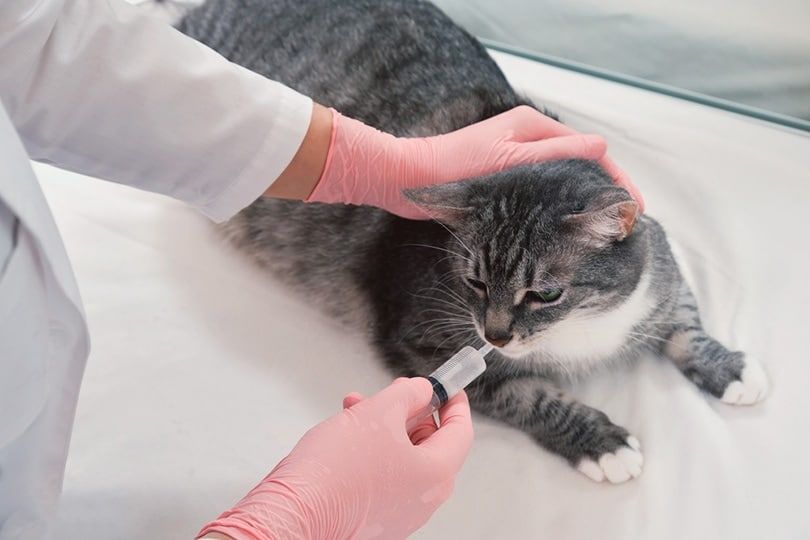
Your furry friend being sick makes you feel horrible, especially when there isn’t much you can do to make them feel better. It’s a bad experience for you and your cat, and when you have to give the cat liquid medication, it becomes an even worse situation. Luckily, we have a few great tips for giving your cat the liquid medicine they need to become healthy once again.

The 8 Ways to Give a Cat Liquid Medicine
1. Use a Syringe
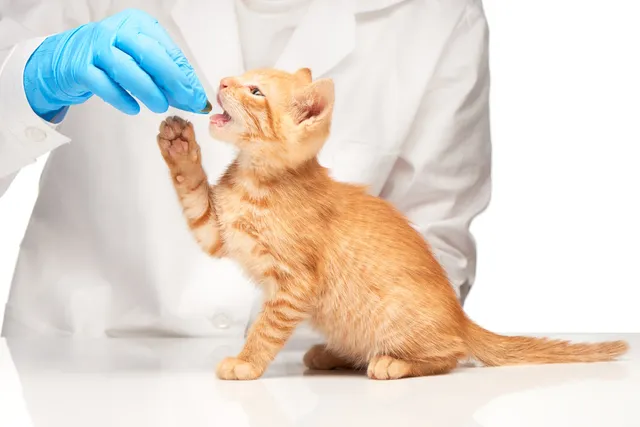
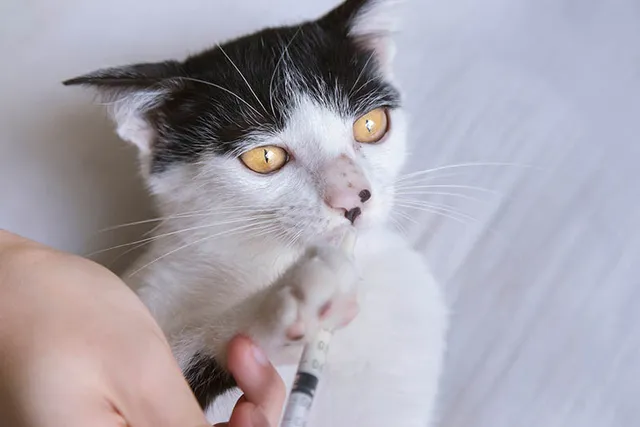
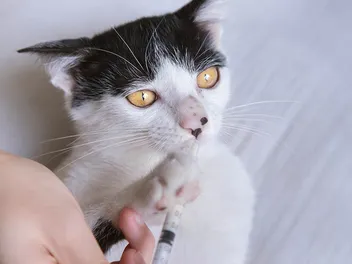
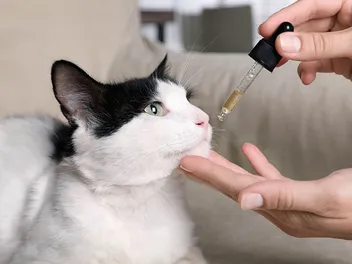
Most liquid medicines come with a syringe you can use to give the cat the medication. While this is usually easier than forcing a pill down your cat’s throat, it doesn’t come without complications. Many cats get agitated when the syringe gets close to their mouths and begin fighting to get away. Some cats start foaming at the mouth when you squirt the medicine into the side of their cheek. This doesn’t mean it hurts your cat, just that it’s a cat’s response to the unusual taste.
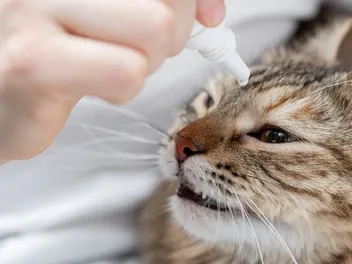
When giving the medicine directly by mouth, hold your cat firmly but kindly and try not to touch the whiskers. Place the tip of the syringe in the side of the mouth just behind the canine tooth, as there is a gap in between the teeth here called the diastema. Gently press the syringe and deliver the medication, giving your cat time to swallow.
2. Put it in the Cat’s Food
One of the easiest ways to give a cat liquid medicine is by squirting it into their wet food. If you are lucky your cat won’t differentiate between liquid medicine and wet food, so it can be tricked into taking it. However, it’s essential only to give the cat a little bit of wet food so that they get the full dose of medicine in one sitting.
If you’re unsure whether this is the right method for your cat or how much food to put the medicine in, contact your vet for further advice.

3. Wrap the Cat in a Blanket
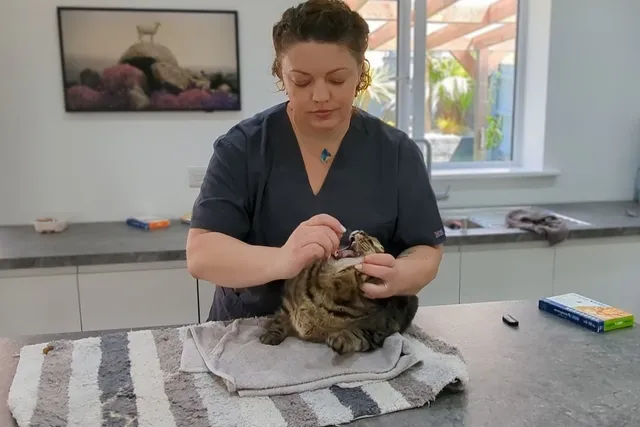
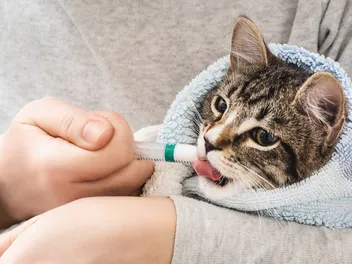
If it comes down to it, it’s best to wrap the cat in a blanket and talk to it soothingly as you administer the liquid medicine. While this might seem like a cruel way to treat your cat, it’s not.
Not only does the blanket protect you from being clawed by your feline pal, but it also serves to make the cat feel warm, safe, and cozy. This is extremely important when a cat is sick. Make sure to talk gently to your cat the entire time you give them their medicine for the best results. You can use the “cat half burrito” method of towel wrapping.
4. Make the Medicine Taste Better
Another way to give your cat their liquid medicine is by making the medication taste better. Cats are just like humans, especially children, and will spit out something that tastes horrible. If you make the medicine taste better, you’ll have more chances of the cat taking it.
One of the best ways to do this is by putting the medicine in a little tuna juice. Open a can of tuna packed in water, and use some of the liquid to make the medicine taste better. Cats love tuna, so your cat will likely gobble up the juice and medicine and be back begging for more.

5. Use the Proper Technique
As previously mentioned, you can use a syringe to ensure the cat gets the proper amount of medicine. However, you need to make sure that you use the appropriate technique. Don’t just wildly squirt the medicine into your cat’s mouth after trying to wrestle their mouth open and wrangle the cat. Ask a veterinarian or vet tech to show you how to give the medicine before you go home.
6. Use Pheromones
Pheromones can also be used to calm your cat down long enough to give them their medicine. These are natural chemicals, so you don’t have to worry about harming your feline. Find a quiet place with no other people or pets to bother your cat, especially when he’s not feeling well. Use the pheromones, then wait until your cat is relaxed to give him his medicine.
Cats usually get upset and frantic if they feel you’re trying to do something to them. If the cat is relaxed, they are going to allow you to give them their medicine a lot easier. There are several feline facial pheromone products available at a veterinarian or online pet retailers.
7. Relax Your Cat First
A tired cat is a calm cat. Try playing with your cat if they will let you and is well enough. Once they are tired, it’ll be easier to give them their medicine or have them eat it in their food. One of the best ways to do this is using a laser pen or favorite toy. Remember to be careful and not overtire your cat, especially with it is sick. If they are not well enough to play, then a calming cuddle on the sofa will get them into a relaxed state, and it may be easier to sneak the medication in while they are snuggled on your lap.
8. Take the Cat to the Vet
If none of the tips above work to get your cat to take liquid medicine, it’s time to take them to the vet. Some vet clinics will give the cat the medication for you for a small fee. Although it’s more trouble than giving your cat meds at home, the vet will ensure your pet receives the proper dosage.
Conclusion
Hopefully, these tips will help you get the medicine needed to make your cat healthy and happy. If you can’t get your cat to take medicine, it is best to contact a vet to see what they recommend. They can administer the medication for you and make your friend better and ready to rejoin your home. When administering the treatment at home, talk to a vet so that you know the best way to do it.
Featured Image Credit: Zhuravlev Andrey, Shutterstock
Expert cat care, straight to your inbox
News, insights, and useful advice, delivered to you.

No spam — unsubscribe anytime.
By signing up, you agree to our Terms & Conditions and Privacy & Cookies Policy.
How useful was this post?
Click a star to rate. You can leave written feedback afterwards. (We read all feedback.)
Patricia is a pet writer and lifelong animal lover. She has two cats (Binx and Link) and one dog (Mystery). Binx was found as a kitten under her house and has been part of the family ever since! Patricia is also a published author under the pen name Skylar McKinzie. When she isn’t writing, Patricia enjoys volunteering at her local animal rescue.