How Much Do Tuxedo Cats Cost? 2026 Price Guide

In this article
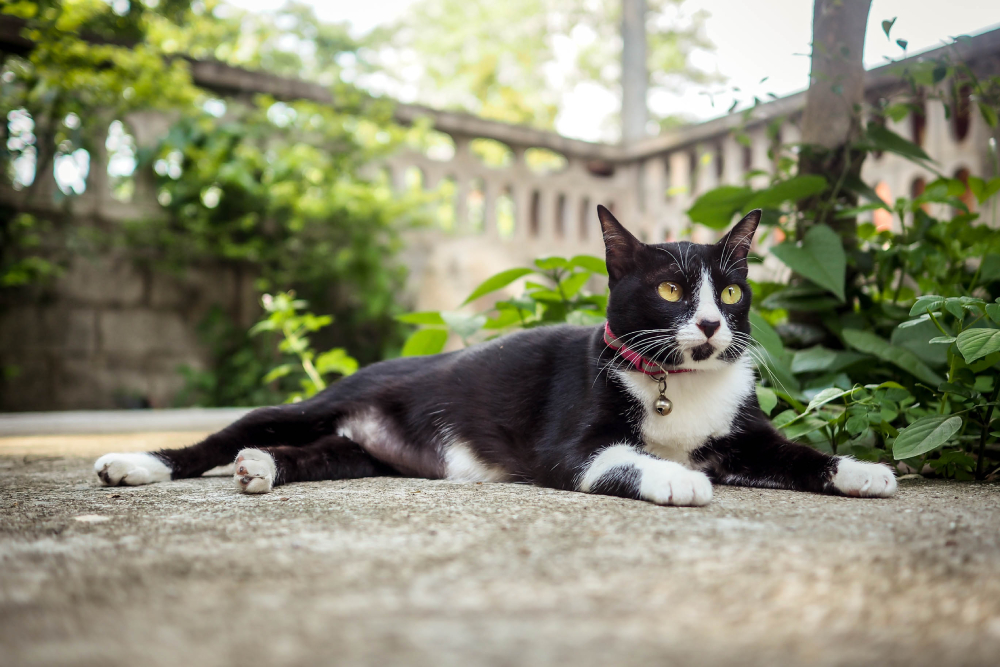
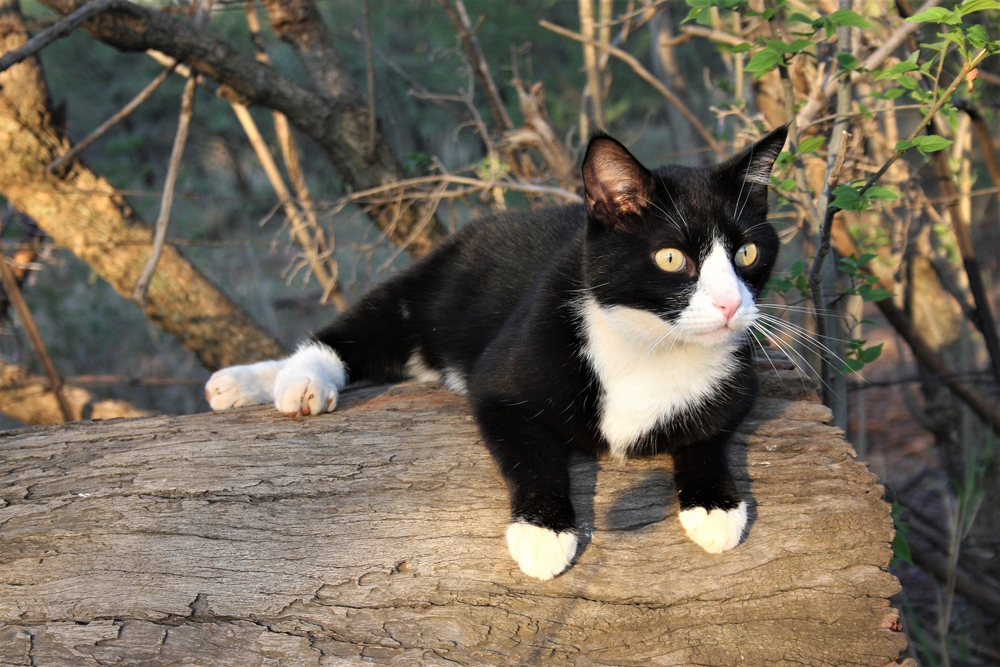
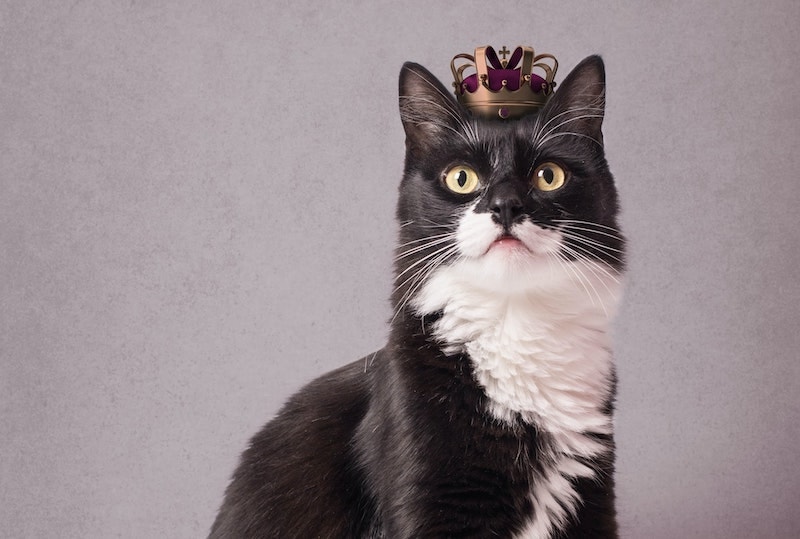
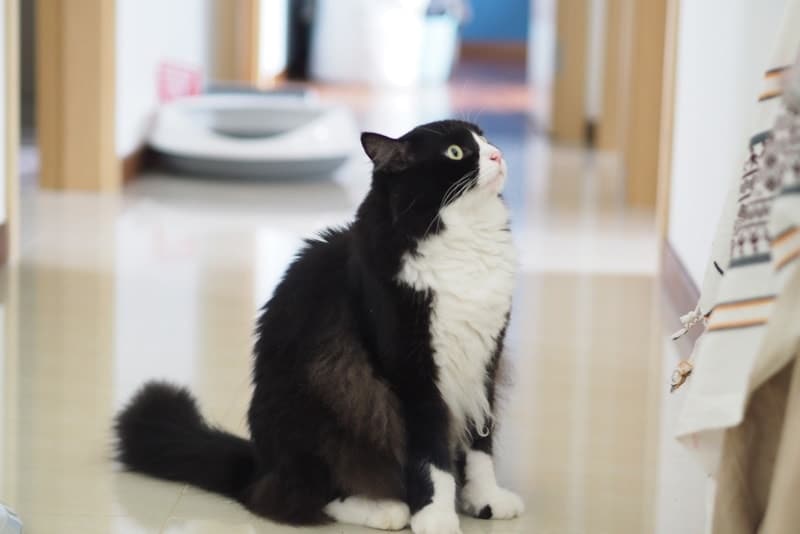
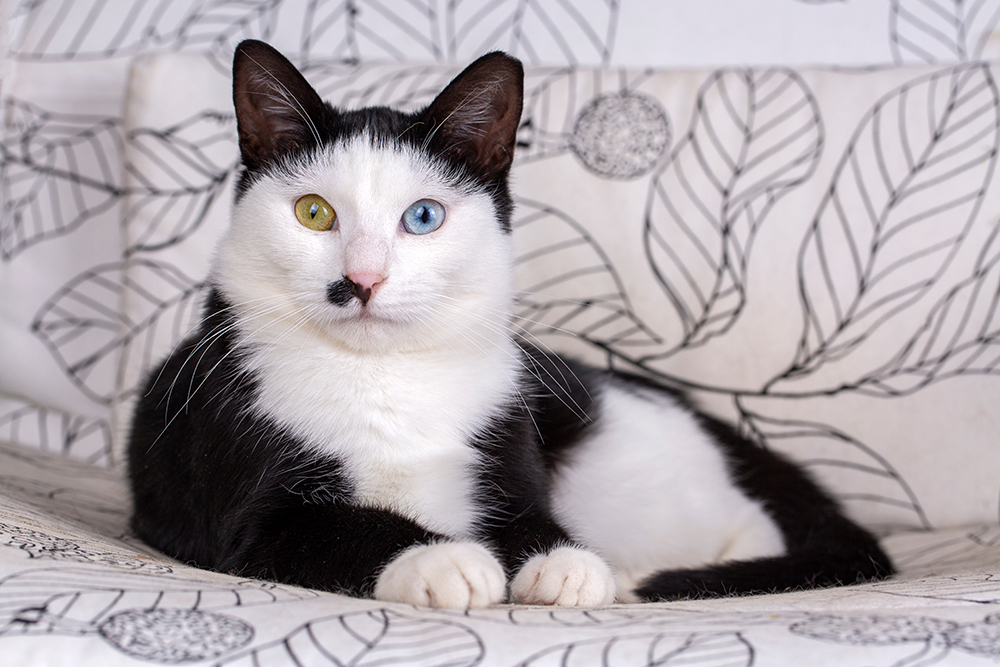
A Tuxedo cat is not a specific breed. It is a distinctive white-and-dark bicolor pattern that makes them look like they're wearing a Tuxedo with a brilliant white shirt. The cost of Tuxies can vary widely depending on the breed and pedigree. You might pay nothing if you pick one up from the street or adopt, or up to around $5,000 for a pedigreed, show-quality cat, depending on breed, lineage, and source.
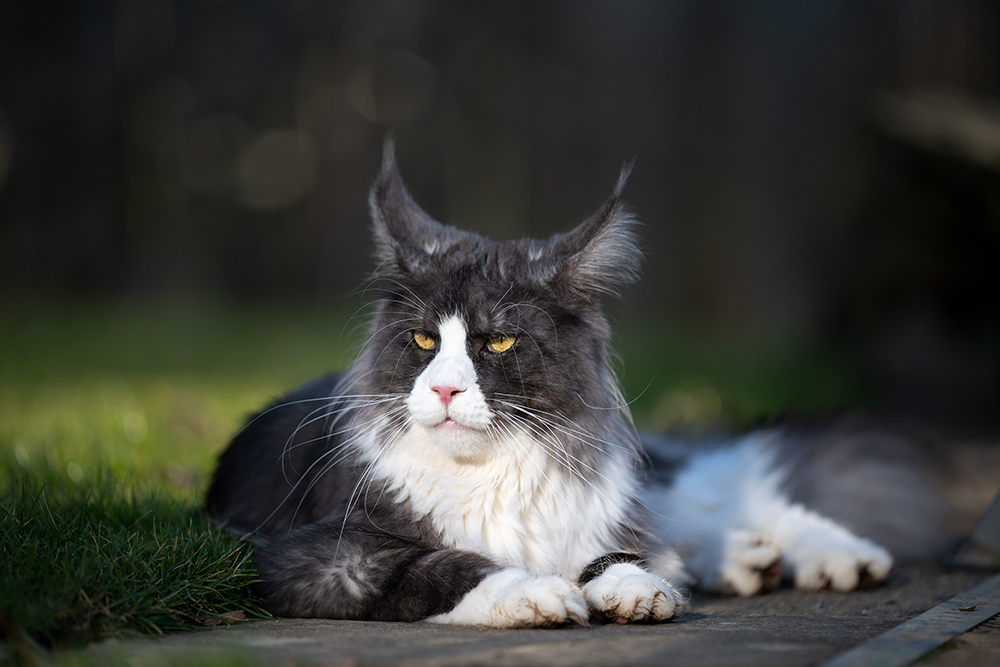
The bicolor pattern (piebald) appears in numerous breeds, including American Shorthair, Persian cat, British Shorthair, Turkish Van, Manx cat, Maine Coon, etc. Although it's not particularly rare, its high demand can drive up the initial expense of purchase or adoption.
There are important decisions you must make before bringing home a Tuxedo cat. In this post, we'll examine the initial and ongoing costs of pet ownership to help you set your budget accordingly.
Dive right in!

Bringing Home a New Tuxedo Cat: One-Time Costs
The initial cost of a Tuxedo cat will largely depend on the breed. For instance, a Tuxedo Maine Coon kitten can cost as much as $2,300, with kittens from championship lines costing well over $3,000. The Norwegian Forest Cat fetches a mid-range price, and a kitten will cost you roughly $1,500.
Tuxies have no definitive price because of the numerous factors that breeders consider. Even those from the same litter can vary in price based on their pedigree and how closely they match breed standards.

Free
Finding a Tuxedo cat at no cost is uncommon, although it's not unheard of. Maybe a friend has a litter of kittens and would not mind giving you one. You may also be lucky to find a good neighbor willing to give away their Tuxedo cat for free to a responsible owner.
But let's face it; while getting a Tuxie without spending a dime is less common, it is still possible, especially with stray or community cats or through informal rehoming situations. Free adoption events or local shelters may occasionally have tuxedo-pattern cats, although availability varies, and they may be adults rather than kittens.
Adoption
- $110-$225
Adopting a Tuxie from a shelter is a more practical alternative to scouting your neighborhood for a free cat. Adoption fees range between $110 and $225, depending on the organization you adopt from. The cost can be higher based on the age and breed of the cat you want.
Other aspects that can influence adoption costs include the wellness services a cat has already received, such as vaccination, spaying/ neutering, and microchipping. Pet adoption centers have hundreds of beautiful cats in need of loving homes. It's always a good idea to check local animal shelters before consulting a breeder. You may or may not find a tuxedo-pattern cat available at a given time, as coat pattern availability varies, but many shelters can notify you if one becomes available and may even help check other shelters or rescue networks, increasing your chances of finding one.

Breeder
- $1,000-$3,000
The average price of a Tuxedo cat from a reputable breeder is between $1,000 and $2,000. However, prices can go as high as $3,000 depending on a feline's age, breed, and ancestry. Moreover, the initial cost of buying a Tuxie from a breeder will depend on numerous other factors, including whether you want a mixed breed or purebred cat.
It is also common for breeders to classify cats into pet-quality and show-quality categories. Although both make excellent pets, show-quality Tuxies, especially from rare or popular breeds, may cost more, sometimes exceeding $3,000, depending on pedigree and breeder practices.
Among the main perks of getting your Tuxie from a breeder is that they intentionally breed their cats. This makes it easier to obtain documented information about lineage, health screening, and expected traits, although it does not guarantee health or temperament.
Initial Setup and Supplies
- $720-$3,000+
Setting a Tuxie up can be expensive, and you must purchase essential supplies to make your cat feel at home. There is quite a long list of items you must buy, from important items like cat litter and food bowls to optional purchases like a window perch.
| Item/ Service | Price |
|---|---|
| Cat collar | $5–$30 |
| Spaying or neutering | $270–$540 |
| Initial vet exam & vaccinations | $215–$540 |
| Microchipping | $80–$110 |
| Teeth Cleaning | $430–$645 |
| Bedding | $25–$50 |
| Grooming supplies | $10–$60 |
| Litter box | $15–$750 |
| Food | $15–$75 |
| Treats | $10–$50 |
| Toys | $15–$80 |
| Cat carrier | $20–$145 |
| Food & water bowls | $15–$145 |

How Much Does a Tuxedo Cat Cost Per Month?
- $193–$847 per month
After settling the one-time expenses of setting up your Tuxie in your home, the monthly expense of caring for your cat will drastically drop. Here is a more detailed breakdown of where the money goes.
Health Care
- $104–$512 per month
If you purchase parasite prevention (such as flea, tick, and heartworm products), expect to spend roughly $10 to $30 per month, depending on the product and your veterinarian’s recommendations.

Food
- $45–$75 per month
The cost of keeping your cat's belly full can vary widely depending on the brand. Large felines also need more food than smaller ones. You don't have to buy the most expensive brand to keep your cat healthy, but it's best to ask your veterinarian for recommendations. Like most domestic cats, tuxedo-pattern cats have similar dietary needs and costs compared to other cats of the same size and lifestyle. You'll likely spend $45 to $75 monthly for cat food.
Grooming
- $0–$100 per visit
Most cats do not require routine professional grooming, and many owners can manage coat care at home, although long-haired breeds may occasionally benefit from professional services. Depending on the service package you need, the cost for a single appointment ranges between $40 and $100.

Medications and Vet Visits
- $50–$300 per month
Vet visits can dramatically increase the overall cost of owning a Tuxedo cat. For a generally healthy cat, routine veterinary costs are often lower and may not occur every month, but budgeting monthly helps cover preventive care and unexpected needs. The cost of vet visits and medications ranges between $50 and $300, depending on the services you need.
Pet Insurance
- $25–$37 per month
Pet insurance can be as high or as low as your budget allows. The average cost of coverage per month is $25 to $37. Your spending will depend on your insurance provider, your Tuxedo cat's breed, and the coverage plan that best suits your needs.
While not mandatory, pet insurance can help offset the cost of unexpected illnesses or injuries and reduce the financial impact of emergency veterinary care. Coverage gives you peace of mind in the face of unexpected illnesses or injuries. In some cases, veterinary bills for emergencies or chronic conditions can become expensive and significantly affect your budget.
Environment Maintenance
- $38–$255 per month
One Tuxedo cat typically uses roughly 10-20 pounds of litter monthly. If you purchase silica gel-based litter, expect to spend between $25 and $45 monthly. Clay litter is cheaper and will cost between $15 and $25 monthly.
It is vital to encompass other expenses you may deem necessary, like deodorizing sprays/granules and odor-eliminating cleaners. Depending on the brand, you could spend between $15 and $30. You’ll also need to invest in a scratcher to stop your furry friend from ruining your furniture.
| Item | Price |
| Cat litter | $15 to $45 |
| Deodorizing spray or granules | $15 to $30 |
| Scratching post/cat tree | $20 to $200 |

- Premium Materials - Hepper's cardboard scratcher is made with dense, B-flute cardboard, and a metal core. Encased in a 1/2" plywood frame with gloss coating. Stable and beautiful, use after use
- High, Low and Lower - A single cat scratch pad won't keep your cat engaged. 3 unique positions keeps them coming back, and back, and back again. Finally, something to get them away from the couch!
- Activates Muscles - The Hi Lo isn't just a cat nail file to stop the chief cat couch scratcher. The deep cat scratcher wave encourages maximum musculoskeletal activation for a healthier workout
We're quite fond of cardboard as a material in cat scratchers, which is why we love the Hepper Hi-Lo Cat Scratcher. Encased within a well-constructed, modern birch plywood frame, this scratcher is designed with both cats and their owners in mind. It offers three versatile configurations to keep your feline friend active and entertained while enticing them to fulfill their natural scratching instincts (and away from scratching things they shouldn't). For more details, click here!
At Catster, we’ve admired Hepper for many years, and decided to take a controlling ownership interest, so that we could benefit from the outstanding designs of this cool cat company!
Entertainment
- $0–$80 per month
If your Tuxedo cat stays indoors, enhancing their environment and providing a reasonable array of entertainment sources is crucial. For instance, you should provide hiding and perching options to keep your pet climbing and jumping.
Moreover, your cat needs plenty of mental and physical stimulation to thrive. For instance, you can encourage your Tuxie to hunt by investing in toys that mimic prey-like movement, such as wand toys or small rolling toys. These can keep them entertained for hours as they stalk their "prey" and pounce on it.
Depending on your budget and preferences, cat toys cost $15–$80. Fortunately, quality items last longer, meaning you don't have to spend on new ones monthly. You can also use simple DIY options, like cardboard boxes or paper balls, which are often free and still provide excellent enrichment.
Total Monthly Cost of Owning a Tuxedo Cat
- $193–$847 per month
Your brand preferences and the individual needs of your Tuxie will play a significant role in dictating your monthly expenditure. If you settle for high-end brands that only provide the basics your cat needs, the total monthly cost can fall on the higher end of this range.

Additional Costs to Factor In
- $100–$550
As a responsible pet parent, you must take care of your pet whether you are sick or need to travel. The amount you spend will depend on the services you need. If you need to travel with your cat, airline policies and costs vary widely, and in-cabin travel is generally preferred over cargo when possible for safety and welfare reasons, with fees often ranging from about $100 to $200 one way. However, using a boarding facility is cheaper and will cost around $25 per night. If you opt for a pet sitter instead, expect to pay between $30 and $50 per night.

Owning a Tuxedo Cat on a Budget
Owning a Tuxedo doesn't have to be expensive. There are numerous ways to cut costs without impacting the health and happiness of your furry friend. First, you should begin by supporting your pet's health. The surest way to accomplish this is to provide a balanced diet and plenty of drinking water.
Also, get into a healthy feeding routine to help reduce the risk of obesity and associated health issues. You can also support your cat’s oral health and help to reduce the risk of dental disease and associated dental costs by brushing your cat's teeth every other day and investing in plenty of dental treats.
And, of course, you can save money on numerous items by buying in bulk. Toys, food, and cat litter cost less when you make a bulk purchase.
Saving Money on a Tuxedo Cat's Care
Unfortunately, keeping up with the expenses of owning a Tuxedo cat can sound like more than you bargained for. However, a little creativity can go a long way in ensuring your pet parenting costs remain within your budget without jeopardizing your cat's health or happiness.
Healthcare expenses can quickly take a toll on your finances. The best way to avoid them is to focus on preventative care. Regular checkups and vaccinations can save you thousands of dollars in the long run by protecting your cat from expensive procedures.
For instance, heartworm preventative medication costs approximately $5 to $20 monthly. Heartworm disease is not treatable in cats and is instead managed with supportive care, which can become costly over time. it. You can save money by scheduling appointments at low-cost vaccination centers. You can also ask your vet to recommend affordable pet insurance policies that cover preventative care.

Final Thoughts
Tuxedo cats have irresistible feline charms. Although adopting or purchasing one has numerous rewards, knowing the initial and ongoing costs you will incur is crucial.
Generally, pet care is not cheap, regardless of the feline breed you choose. The annual cost of owning a relatively healthy Tuxedo cat can range between approximately $400 and $1,500, depending on factors such as your geographic location, preventive care choices, and whether the cat is kept strictly indoors or has outdoor access. The lifetime cost of cat ownership can quickly add up to several thousand dollars.
We hope the previous information can help you set an appropriate budget or decide if you are ready to bring a Tuxedo cat home. In truth, any amount you spend is just a small price for unconditional love.
Sources
Featured Image Credit: Esin Deniz, Shutterstock

Expert cat care, straight to your inbox
Vet-reviewed advice, behavior tips, and the best of Catster. Free, and you can unsubscribe anytime.
By signing up, you agree to our Terms & Conditions and Privacy & Cookies Policy.
Christian started writing for a local newspaper as a teenager, and he's been involved in the publishing industry for most of his adult life. Combining his love of writing with a passion for animals, he is currently the Director of Editorial at Pangolia and the Editor-in-Chief at Catster.
Christian lives in the Philippines with his wife, son, and four rescue cats: Trixie, Chloe, Sparky, and Chopper.
Join the conversation
Ask a question, share your story, or send private feedback.