How Long Should You Brush Your Cat? Vet-Reviewed Facts



When it comes to hygiene, cats are meticulous groomers, and they spend hours each day licking and cleaning themselves. The process of grooming helps cats to remove dirt, debris, and parasites from their fur, and it also helps to keep them cool in warm weather. Grooming also plays an important role in cat communication—when cats groom each other, they exchange social signals and strengthen their bond.
However, cats are known for being independent creatures. They often like to do things on their terms and in their own time. So, when it comes to brushing your cat, you may be wondering if it's really necessary. After all, your cat probably doesn't seem too thrilled about the whole idea. But is brushing your cat really worth it? And how long should you brush your cat? There are no hard and fast rules, so read on to discover why cats require varying amounts of brushing time.

Factors That Influence How Often Cats Should Be Brushed
You should brush your cat at least once a week; for some breeds, up to twice a day! For example, long-haired cats require more frequent brushing than short-haired cats. The age of the cat is another factor. Kittens and young cats shed more frequently than older cats. Environmental factors, such as whether the cat lives indoors or outdoors, can also play a role in how often they need to be groomed.
Generally, you should brush your cat for around 5 to 10 minutes per session, but the amount of time you should brush your cat will depend on a variety of factors. For example, the type of coat the cat has will impact how long it needs to be brushed. And an especially important factor is the temperament of your cat and how accustomed they are to being brushed.
Your Cat’s Temperament & Tolerance for Being Brushed
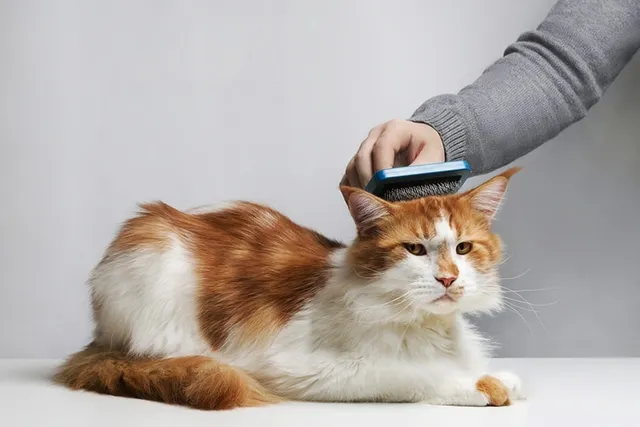
Cats have different temperaments and tolerances for being brushed. Some cats enjoy being groomed and will purr and allow themselves to be petted, while others may become agitated and try to scratch or bite their groomer. Factors such as age, health, and personality may all contribute to how tolerant a cat is of being brushed.
Short-Haired Cats
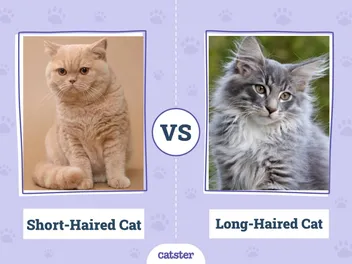
Cats with short hair only need to be brushed for 5 to 10 minutes about once weekly because they have a lower shedding rate. The bristles of the brush will remove any loose hair, dirt, and debris from the coat while distributing the natural oils evenly along the length of the hair shaft. This will help keep your short-haired cat's coat healthy and shiny. Brushing them more often than necessary can lead to more skin problems because it will remove the natural oils from their fur which keep their skin healthy.
Long-Haired Cats

Long-haired cats need to be brushed for 5 to 10 minutes every day to avoid knots and matting in their fur. If these knots and mats are not removed, they can cause the cat discomfort and lead to skin problems. By brushing your cat's fur every day, you can help keep them healthy and looking their best. While all cats need some level of care and attention, long-haired cats require a bit more maintenance than their short-haired counterparts.
Cats With Thicker Fur
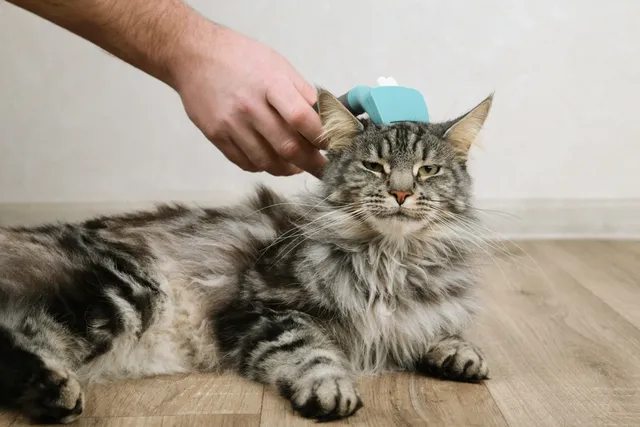
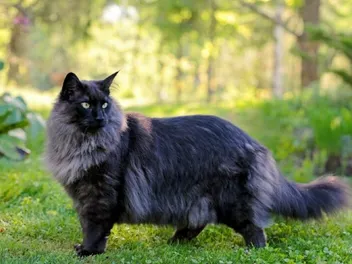
There are a few breeds of cats that have thicker fur. These breeds include the Maine Coon, the Norwegian Forest Cat, and the Siberian Forest Cat. These cats are known for their thick, heavy coats of fur that keep them warm in cold climates. The fur of these breeds is typically longer and shaggier than that of other breeds, and it helps to protect them from the cold weather. One way to help these cats keep their fur clean and healthy is to brush them daily. Besides removing dirt and debris from their fur, this also distributes natural oils.
Cats With Thinner Fur
There are a variety of cat breeds that have thinner fur coats. These breeds include the Siamese, the Balinese, and the Himalayan. These cats are bred for their appearance, and their thin fur coats make them more aesthetically pleasing to many people. Their smoother coats don't trap as much dirt and debris as other breeds. This can be beneficial for people who don't have a lot of time to brush their cat's fur on a regular basis.

Do Cats Feel Better After Being Brushed?
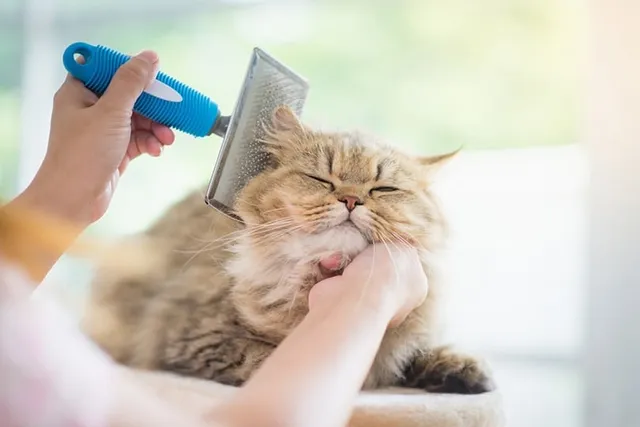
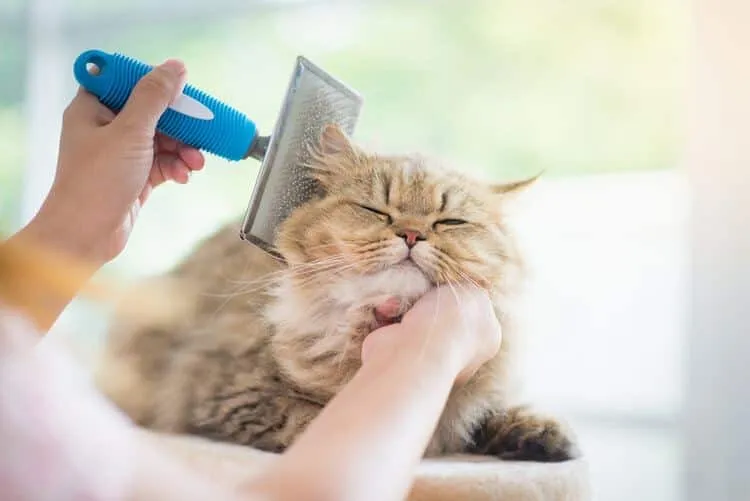
Some people believe that the act of brushing a cat's fur can help to reduce stress levels and promote feelings of relaxation and well-being in the animal. It is quite likely that the positive effects of brushing may be due to the tactile stimulation of your cat's skin and the feelings of closeness they derive from pro-social grooming. We can theorize this is the case when we look at how a cat that enjoys brushing reacts to a grooming session. They may start to purr or even lick their owner’s hand after being groomed.

If Your Cat Hates Being Brushed
The first few times you groom your cat, they may become impatient with all the attention. Don't spend more than a couple of minutes on your first few sessions. You can gradually extend how long you spend cleaning your cat once they are used to the routine. You can also use this time to acclimate your cat to being handled. You can briefly play with their ears and feet during this time. As a result, they won't be as stressed when they are handled in the future.
It's not necessary to force your cat to accept grooming, either. Take a break if your cat seems upset or stressed. When your cat behaves well during grooming, praise them or give them treats.
Is It OK to Brush a Cat Every Day?
There is no one-size-fits-all answer to this question, as the appropriate frequency of brushing a cat depends on a variety of individual factors, including the type and length of the cat's coat, whether the cat has any underlying health conditions, and how much the cat sheds. Generally speaking, though, it is probably best to brush a cat at least once a week, and every day for some cats.

Is It Possible to Brush a Cat Too Much?
There is no simple answer to this question. On the one hand, you don't want to neglect your cat's needs by brushing it too little. On the other hand, you don't want to overdo it and cause your cat discomfort. In general, beginning with a light, short brushing once or twice a week should be plenty. If your cat starts to get irritated or seems to dislike being brushed, stop immediately.
Cats can exhibit vastly different personalities, and some may enjoy being brushed more than others. However, on the whole, it is generally advisable not to over-brush a cat, as doing so could potentially irritate their skin or cause them to become overstimulated.

Conclusion
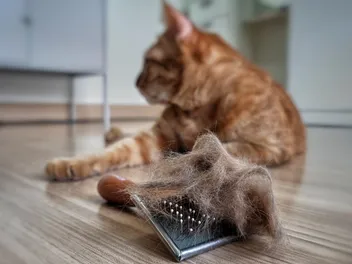
In conclusion, it is best to brush your cat for around 5 to 10 minutes at least once a week, or more if they are long-haired. This will help remove any loose hair or dirt and keep your cat's coat healthy and shiny. By brushing your cat, you are also helping to reduce the number of hairballs they may produce. So, grab a brush and get started!
Featured Image Credit: Anna Hoychuk, Shutterstock
Expert cat care, straight to your inbox
News, insights, and useful advice, delivered to you.

No spam — unsubscribe anytime.
By signing up, you agree to our Terms & Conditions and Privacy & Cookies Policy.
How useful was this post?
Click a star to rate. You can leave written feedback afterwards. (We read all feedback.)
Christian started writing for a local newspaper as a teenager, and he's been involved in the publishing industry for most of his adult life. Combining his love of writing with a passion for animals, he is currently the Director of Editorial at Pangolia and the Editor-in-Chief at Catster.
Christian lives in the Philippines with his wife, son, and four rescue cats: Trixie, Chloe, Sparky, and Chopper.