5 Potential Hairball Cat Food Side Effects: Vet-Reviewed Considerations & Tips


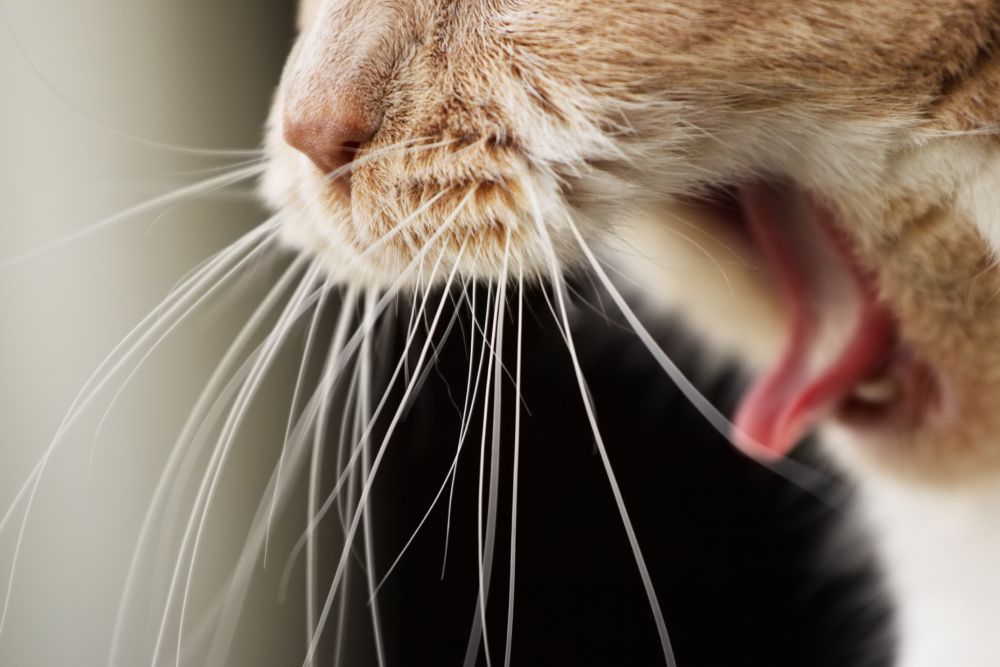
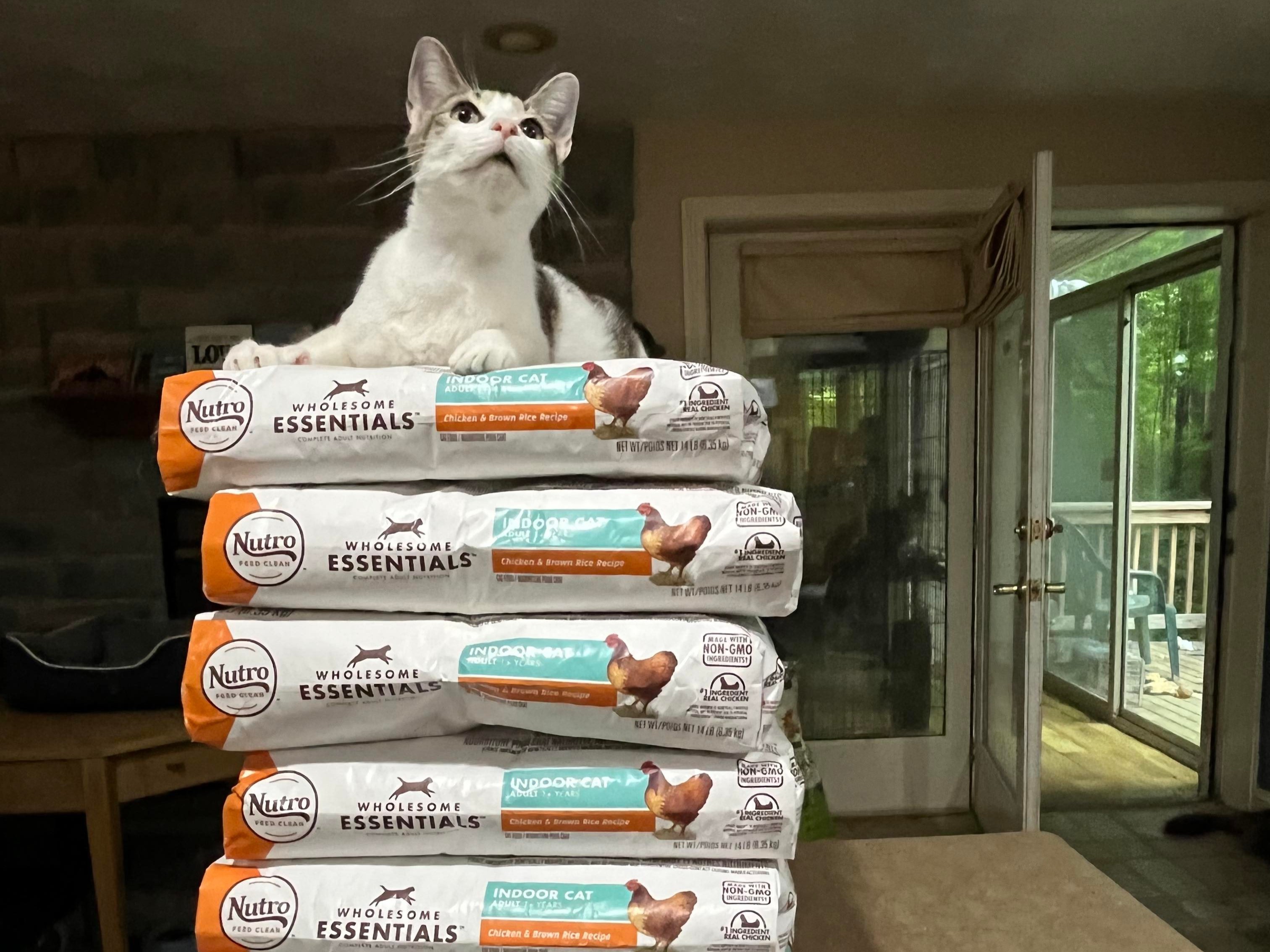
Most cats get hairballs. If you’re a cat parent, you know this is a fact you can’t get away from. Whether you have a long-haired cat or a short-haired cat, chances are your cat will experience hairballs at some point in their lives. While not serious in most cases, hairballs can become too large for a cat to throw up, which could cause problems. A good hairball control cat food can help prevent the development of hairballs. However, many pet owners are concerned about the potential side effects of this food.
We’ll talk about the possible side effects below and give you tips for feeding your cat hairball control cat food if that’s the route you choose to take in the last section as well.

The 5 Potential Hairball Cat Food Side Effects
1. Too Much Fiber
Some experts worry about the effects of adding extra fiber to a cat’s diet because the fiber added to cat food to control hairballs is pretty significant. In fact, most regular cat foods only have between 1% and 2% fiber content.
However, most hairball control cat foods have as much as 8%, which is quite a bit of a difference. This may put cats at risk of digestive problems including gas, diarrhea, and constipation.
2. Greater Fecal Bulk
Increasing the fiber content in a cat’s diet often leads to larger, more frequent bowel movements. This happens because fiber adds bulk to the stool and helps retain water in the digestive tract, which promotes more efficient regular elimination. The result is increased stool volume, which is meant to assist in carrying ingested hair through the gastrointestinal system and out into the litter box, rather than allowing it to accumulate and form hairballs. While this change in stool size may be noticeable and likely not very appreciated by pet parents, it’s a normal and often beneficial effect of dietary fiber, especially in cats prone to hairball issues.

3. Reduced Nutrient Absorption
Although fiber is beneficial to cats in moderation, excessive amounts can have negative effects. For example, speeding up the movement of food through the digestive tract. This rapid transit can reduce your cat’s ability to properly absorb essential nutrients, such as vitamins, minerals, and essential fatty acids. Over time, this could impact overall health, so it’s important to find the right balance and ensure that your cat’s diet supports both healthy digestion and optimal nutrient absorption.
4. Dehydration
Another problem to consider is dehydration, especially if your hairball formula is dry and your cat does not drink enough water. Over an extended period, the overabundance of fiber in a hairball control cat food can draw the fluid away from your cat’s intestines. The missing fluid in your cat’s intestines can lead to the cat becoming dehydrated.
Chronic mild dehydration in cats can be surprisingly easy to miss, but its effects build up over time. The signs are often subtle; things like dry gums, a dull or flaky coat, constipation, low energy, or urinating less frequently. Even when dehydration is mild, it can still put stress on the kidneys, increase the risk of urinary tract issues, and make hairballs more likely by slowing down the digestive process.
5. Urinary Problems
Since cats are creatures of habit, changing their diets abruptly will stress them and might also trigger feline idiopathic cystitis. Urinary issues such as feline lower urinary disease or cystitis—an inflammation of the bladder—can also be caused by too little fluid due to the high fiber in many hairball control cat foods. This is a painful condition that no pet parent wants to see their beloved cat go through. Likewise, dry hairball foods are far from ideal for cats already prone to urinary or bladder issues because they are not formulated to control urine pH or reduce the likelihood of bladder crystal formation.

Tips for Feeding Your Cat Hairball Control Cat Food
If you decide to feed your cat hairball control cat food, then there are a few ways you can ensure the cat is safe, even with the high amount of fiber most of these types of cat food contain.

Monitor Your Cat’s Reaction
The best way to determine if your cat will do well with a hairball formula is to get your vet’s approval. They should be able to recommend the best food and other ways to control your cat’s hairballs.
Remember to only make gradual changes and monitor their reaction when they first try the food. For example, if the cat develops diarrhea or constipation, cut back on the percentage of the new hairball food you’re feeding it.
Try a Natural Method
If hairball control cat food isn’t the right choice for you, there are quite a few natural methods out there that you can try. Some methods include grooming your cat more often, wiping your cat down with baby wipes, feeding high-moisture diets, adding a water fountain, feeding your cat canned pumpkin, adding a bit of psyllium husk to their food, or using hairball supplements.
Whichever method you try, make sure a vet approves it first for the best results.
Conclusion
These are a few of the side effects that have been noticed by pet parents who have fed their cats hairball control cat food. Of course, this isn’t to say that it happens with every cat, but the potential for these side effects is there.
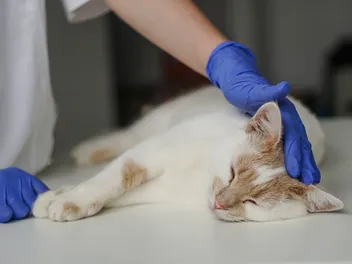
If you’re unsure whether hairball control cat food is the right choice for your feline friend, it’s best to make an appointment and get a vet to help you decide.
Featured Image Credit: Suzanne Tucker, Shutterstock
Expert cat care, straight to your inbox
News, insights, and useful advice, delivered to you.

No spam — unsubscribe anytime.
By signing up, you agree to our Terms & Conditions and Privacy & Cookies Policy.
How useful was this post?
Click a star to rate. You can leave written feedback afterwards. (We read all feedback.)
Patricia is a pet writer and lifelong animal lover. She has two cats (Binx and Link) and one dog (Mystery). Binx was found as a kitten under her house and has been part of the family ever since! Patricia is also a published author under the pen name Skylar McKinzie. When she isn’t writing, Patricia enjoys volunteering at her local animal rescue.