GMO in Cat Food: Vet-Reviewed Health & Nutrition Facts


In this article
GMOs or genetically modified organisms is a buzz phrase often used when describing human foods, but it has segued into the pet industry. We want the best for ourselves and, consequently, for our pets. However, GMOs often get a bad reputation even though research has shown they are just as safe as non-modified foods.
Their safety for our pets is confirmed through the consensus of the FDA, the American Association for the Advancement of Science (AAAS), UK’s The Royal Society, the American Medical Association (AMA), and the American Veterinary Medical Association (AVMA). However, there is a lot of misinformation out there when it comes to GMOs, spread in part though marketers. So, what are GMOs, how do they work, and how do they affect our pet’s food? Let’s find out.

How Does It Work?
GMOs use a process called genetic engineering to transfer or alter DNA. The technology essentially inserts DNA into an organism’s genome, and the DNA is then transferred into plant cells. The cells are grown in tissue culture, where they then develop into plants. The seeds of these plants then inherit this new DNA. Essentially, you’re giving a plant a new characteristic, such as resistance to certain insects, herbicides, and plant viruses.
Scientists first tapped into its possibilities in 1946. China pioneered the first use of this technology in 1983, developing an antibiotic-resistant tobacco plant 1. The United States came on board in 1994 with the so-called “Flavr Savr tomato.” The alternation of the DNA targeted specific benefits. In this case, it was delayed ripening.
One GMO pertinent to our discussion of cat food is Bt (Bacillus thuringiensis) corn. Bt is a type of bacteria that renders plants resistant to certain insect pests. Its inclusion in corn reduces crop loss and pesticide use, making it eco-friendly. It also lowers food waste. Remember also that “organic” doesn’t always mean no pesticides are used; it just means different ones could be.

What Are the Different Types of GMOs?
There are three main methods of genetically modifying crops 2. The first is a traditional crop modification, which is essentially just selective breeding or crossbreeding of two similar plants. The next is through genetic engineering, which allows scientists to copy genes of a desired trait and put it into another. The third is genome editing, which is a newer method that is more targeted and precise, as well as easier and quicker. For example, genome editing could include removing an unwanted gene. The conventional GM methods are expensive. However, like any technology, it continues to evolve. The latest tool available to researchers is a simplified method of genetic engineering called Clustered Regularly Interspaced Short Palindromic Repeat or CRISPR. You can think of it as a DNA scissors that cut and remove (or replace) a gene expressing an undesirable trait, it alters the genome without inserting genetic material from another source. CRISPR modifies what exists within natural variations of a plant or organism. That may make it seem less scary to consumers who fear Franken-tomatoes and the like. It’s also a boon to scientists to create a more straightforward pathway toward other GMO crops. For example, one active avenue of research is the removal of gluten from wheat to benefit gluten-intolerant individuals and those with Celiac Disease.
Where Is It Used?
GMOs are ubiquitous, even if they aren’t labeled as such in the United States. GMOs you may encounter with cat food include the following:
- Corn
- Soybeans
- Potatoes
- Salmon
- Apples
- Sugar beets
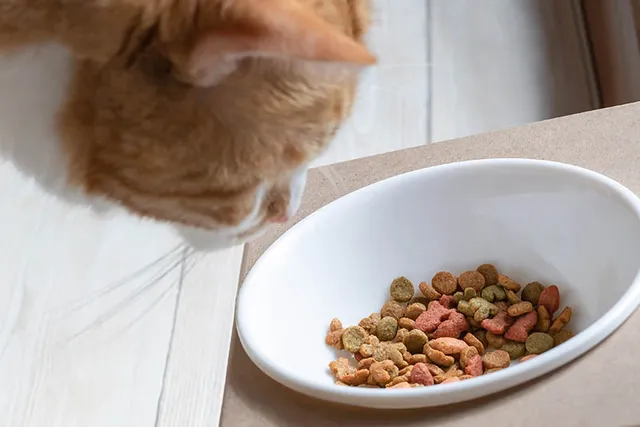
It’s worth noting that the FDA categorizes all these foods as generally recognized as safe (GRAS). Most GMOs are used in animal feed. However, you’ll also find them as ingredients, such as the corn used to make cornstarch. The Association of American Feed Control Officials (AAFCO) provides the science behind the FDA pet food regulations. Rest assured that any ingredient in your cat’s food goes through a rigorous approval process.
We think of GMOs as strictly a part of food. However, researchers are investigating ways to use them in other products, such as fiber, vaccines, and medications. The array of foods will likely increase, especially with the development of CRISPR technology. Many companies have already applied for patents in anticipation of this jump in product availability.

Advantages of GMOs
We listed many benefits of GMOs, from reductions in pesticide use to more affordable products. The latter is a major concern for pet owners as food prices continue to rise, especially if your cat has special dietary needs. GMOs are just one potential fix for this problem.
GMOs offer an excellent way to optimize our resources. We must also consider the opportunities GMOs provide. New technology can make it possible to increase the nutritional value of cat food and many other products, meaning science has the tools to help both us and our pets.
Disadvantages of GMOs
Genetics is a complex scientific field. Therein lies the dilemma. Unfortunately, marketers have seized on the complicated nature of genetic engineering to make it something that seems scary to the public. The production method does not inherently make GMOs unsafe. No evidence suggests otherwise.
If a disadvantage exists, it lies with science and manufacturers not being more proactive and transparent in educating consumers. The result is a lot of misinformation and a lack of facts and understanding. We can’t say for sure if there are disadvantages of GMOs to our pets yet, as only time and more research will be able to offer that information.

Frequently Asked Questions
Is it safe for my cat to consume meat from livestock that eat GMOs?
Absolutely! DNA doesn’t transfer to your pet’s body from the meat and won’t harm them
Can we be certain nothing is going to happen with GMOs?
Science only tells us what it observes. Currently no evidence exists saying that GMOs are harmful to our pets. However, only time and research will provide us with more information. We can reassure you that the FDA and state regulators conduct extensive testing on these products more than non-modified foods. That gives GMOs an edge on safety because of this intense scrutiny.
What about the reports of increased cases of recurrent vomiting and diarrhea?
Many signs, like vomiting, are non-diagnostic and don’t point to GMOs. If these accounts were unusual, the FDA would have investigated a spike in veterinary cases.
Conclusion
Despite what social media and marketers may claim, current research indicates GMOs are safe for you and your cat to consume. They are on par with non-modified ingredients. That includes corn and sourced animals fed these products. They are eco-friendly and reduce pesticide use. They also offer hope for the challenges we’ll face with food security in the future. The science behind them may be overwhelming, but you needn’t fear the technology.
Sources
https://www.fda.gov/food/agricultural-biotechnology/types-genetic-modification-methods-crops
https://www.fdli.org/2021/11/the-future-of-food-crispr-edited-agriculture/
https://www.frontiersin.org/articles/10.3389/fnut.2020.00051/full
https://www.fda.gov/food/food-ingredients-packaging/generally-recognized-safe-gras
https://www.aafco.org/consumers/understanding-pet-food/ingredient-standards/
https://www.fdli.org/2021/11/the-future-of-food-crispr-edited-agriculture/#_edn5
https://royalsociety.org/topics-policy/projects/gm-plants/is-it-safe-to-eat-gm-crops/
Featured Image Credit: Lightspruch, Shutterstock
Expert cat care, straight to your inbox
News, insights, and useful advice, delivered to you.

No spam — unsubscribe anytime.
By signing up, you agree to our Terms & Conditions and Privacy & Cookies Policy.
How useful was this post?
Click a star to rate. You can leave written feedback afterwards. (We read all feedback.)
Chris has been a science-focused pet writer since 2009, specializing in health and the environment. She lives with her husband Norm and three amazing cats in the land of 10,000 lakes. When she's not writing about cats, Chris also enjoys boating and sampling wine. She has her WSET 1 and 2 certifications and is currently pursuing her Certified Wine Specialist Award (CSW).