Feline Hyperesthesia Syndrome: Vet-Reviewed Signs, Treatment & FAQ


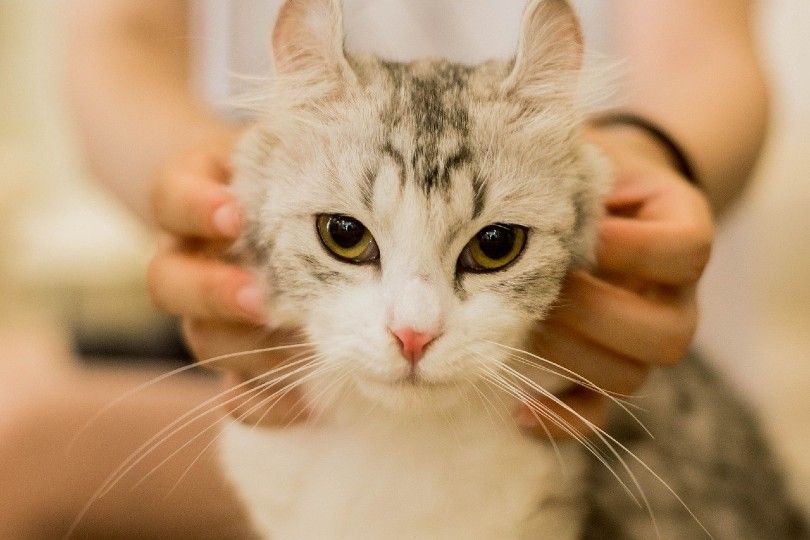
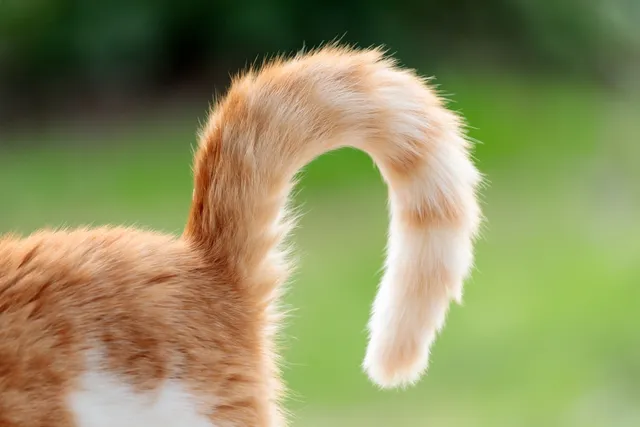
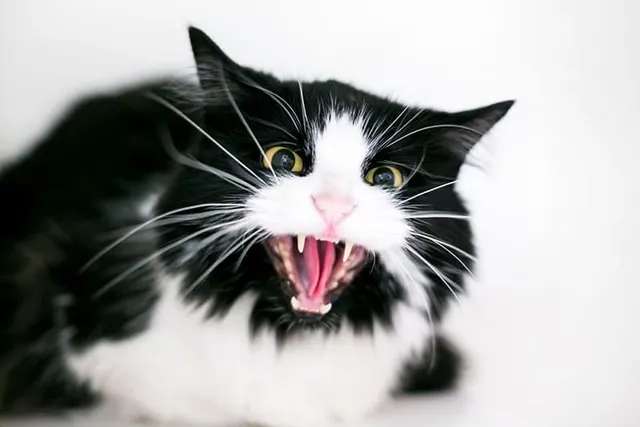
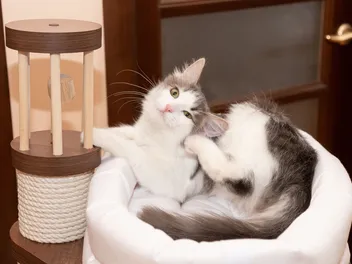
Feline hyperesthesia syndrome (FHS) is a condition in which a cat’s skin becomes ultra-sensitive1. It’s also known as twitchy cat disease and most often involves the fur and skin on a cat’s back, especially close to the tail. Cats with the syndrome often become agitated or aggressive when sensitive points are stimulated. Others chase their tails, or at the extreme end, they may urinate when parts of their bodies are touched. Anxiety and stress can make the condition worse.
There’s no cure for FHS, but with treatment, the signs can be well managed, and cats with the syndrome can live long happy lives.

What Is Feline Hyperesthesia Syndrome?
FHS isn’t a disease, but rather a cluster of clinical signs involving extreme skin sensitivity. Cats with the condition have skin that becomes hypersensitive, possibly to the point of pain. Two other common signs include uncontrollable muscle contractions and behavioral changes.
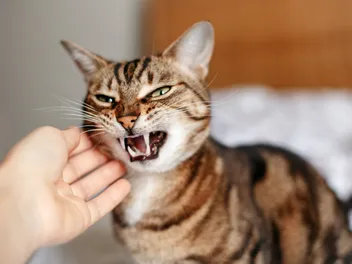
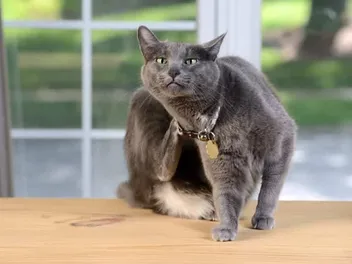
The lower back is a common trigger point. Cats with the syndrome often scratch or bite at the area after it has been stimulated. Some cats yowl or urinate when a sensitive spot is touched. Others act aggressively while being petted if an uncomfortable trigger point is touched.
There’s no known cure for the condition, but there are ways to manage some of the signs, including medication and behavior modification.
What Are the Signs of Feline Hyperesthesia Syndrome?
Hypersensitivity to touch is the hallmark of FHS. This super sensitivity is accompanied by muscle contractions and behavioral changes, including aggression. Cats with the condition often vocalize excessively when a sensitive spot is stimulated. Some cats become fatigued and others engage in compulsive licking. Dilated pupils and skin rippling are other common signs.
The lower back is the most commonly affected area, with many cats exhibiting extreme sensitivity above the tail. If your cat shows FHS signs, contact your veterinarian and make an appointment. Cats that experience severe episodes that last 2 minutes or longer should be seen by a veterinarian immediately.
What Are the Causes of Feline Hyperesthesia Syndrome?
No one is sure what causes FHS. It could have dermatological, neurological, or psychological causes. Potential dermatological causes include allergies and immune system-related skin conditions. Neurological causes range from seizures to nerve pain. It could also have psychological causes linked to attention-seeking behavior or obsessive-compulsive disorder.
While no one is sure of the cause, veterinarians are certain that stress exacerbates the condition. Certain breeds, including Siamese, Burmese, and Persian cats, are predisposed to developing the condition. Scientists have been unable to isolate a specific gene responsible for the condition.
It’s most commonly diagnosed in young to middle-aged cats, with most cats being treated for the condition under the age of 7. Feline hyperesthesia syndrome isn’t linked to other physical problems, such as obesity or cancer.
Veterinarians are mostly limited to clinical sign management and mitigation regarding FHS. There’s no cure for the condition, but it’s possible to reduce your cat’s discomfort through environmental changes, behavior modification, and medication. Medication may be able to help with both pain relief and anxiety reduction.

How Do I Care for a Pet With Feline Hyperesthesia Syndrome?
First and foremost, make sure you have a proper diagnosis. FHS is, in many ways, a diagnosis of exclusion, where veterinarians rule out other, more obvious causes for the behavior, such as arthritis and infections, before diagnosing a cat with the condition.
Cats with FHS can live long, healthy lives, though treatment is vital to keep the cat comfortable. Many veterinarians prescribe medications such as gabapentin, which works quite well regarding clinical sign reduction.
Anxiety reduction via medication and environmental measures is also important, as stress worsens the condition. Making sure your cat gets lots of exercise, providing food puzzles, and spending lots of quality time playing with your pet are great ways to reduce feline stress. They’ll also strengthen the bond you have with your pet!
Changes around the house often trigger feline anxiety. Many cats don’t do well with things like home renovations or the introduction of a new pet (or person) to the home.

If your cat still needs a bit of help reducing their anxiety level even after you’ve made some structural changes, there are plenty of medications your veterinarian can prescribe that may help.
Never punish a cat for FHS-related behavior, including aggression. Cats cannot fully control their reactions or bodies when in the throes of an episode. Don’t try to intervene or calm your cat if they attack or lose control while petting them.
Continuing to touch your cat may actually make things worse. Allow your cat to calm themselves and return to their normal baseline before petting or picking up your buddy.
Frequently Asked Questions
Here, you’ll find answers to some of the most commonly asked questions regarding FHS.
What Are Some of the Other Conditions Feline Hyperesthesia Syndrome Resembles?
The condition often looks like a bad flea infection. Cats with parasitic infections will usually bite themselves to the point of injury due to the extreme itching caused by fleas and worms. The base of the tail is a popular hangout for fleas and an incredibly common spot for FHS to pop up. The condition can also resemble arthritis-related joint pain.

Why Is Stress Reduction So Important?
No one is sure what causes the condition, but veterinarians almost universally agree that stress makes FHS worse. Because there’s no cure for the condition, treatment essentially involves managing attack frequency and strength. Stress reduction provides a tried-and-true way to reduce the severity of FHS and therefore, forms a core part of any treatment plan.
How Is Feline Hyperesthesia Syndrome Diagnosed?
The condition is most often a diagnosis of exclusion. There’s no blood test or imaging scan that a veterinarian can use to diagnose the disorder. Instead, veterinarians typically run a variety of tests to exclude other more common conditions, such as arthritis and various systemic diseases. Blood work, muscle biopsies, skin biopsies, X-rays, allergy tests, and MRIs may be used in diagnostic workups.
Conclusion
When touched, cats suffering from FHS often experience pain or uncomfortable sensations, causing some to react aggressively when being petted or handled. The condition most often affects cats’ lower backs, specifically the area right in front of the tail.
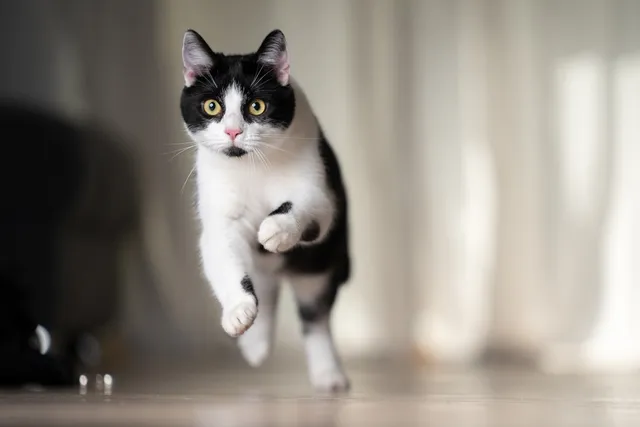
Some cats vocalize, and others bite the area after being touched in a sensitive spot. Uncontrolled jumping and dilated pupils are other signs that a cat is in the throes of an FHS attack. Cats experiencing pain from FHS are often unpredictable, so it’s best to leave any cat suffering from an episode alone until they’re back to normal.
See Also:
Featured Image Credit: biubiubiu23333, Pixabay
Expert cat care, straight to your inbox
News, insights, and useful advice, delivered to you.

No spam — unsubscribe anytime.
By signing up, you agree to our Terms & Conditions and Privacy & Cookies Policy.
How useful was this post?
Click a star to rate. You can leave written feedback afterwards. (We read all feedback.)
Lorre Luther is a writer who is firmly convinced that cats are smarter than humans. She left her law career in the United States and moved to the Netherlands to follow her dream of becoming a writer. Lorre currently lives in Rotterdam, she enjoys traveling and greatly appreciates the beauty of nature. Lorre has a spot for animals and admires the intelligence of cats.