Do Cats Get Winter Coats? Vet-Verified Fur Facts & Care Tips


In this article
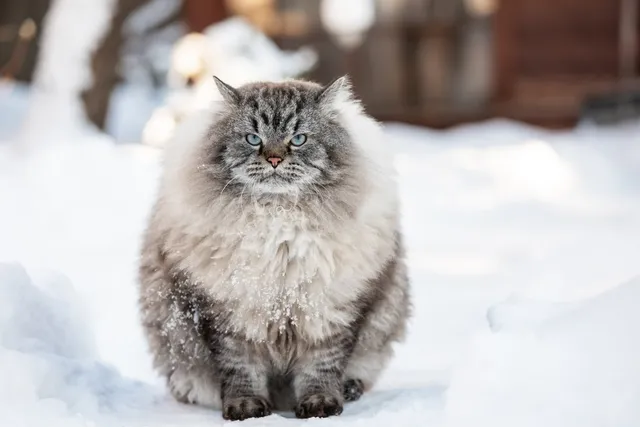
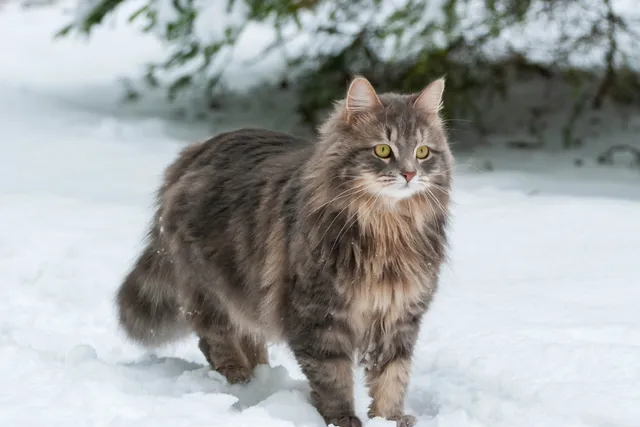
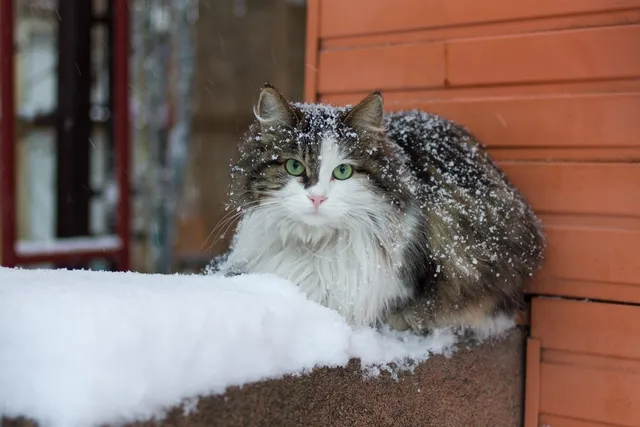
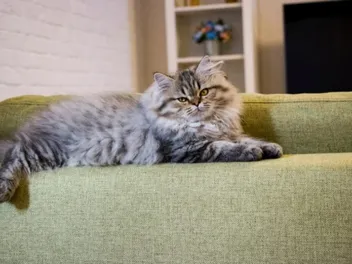
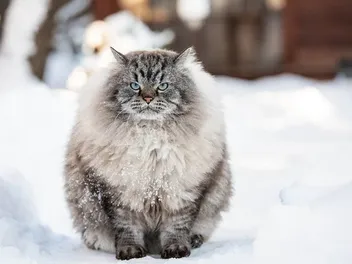
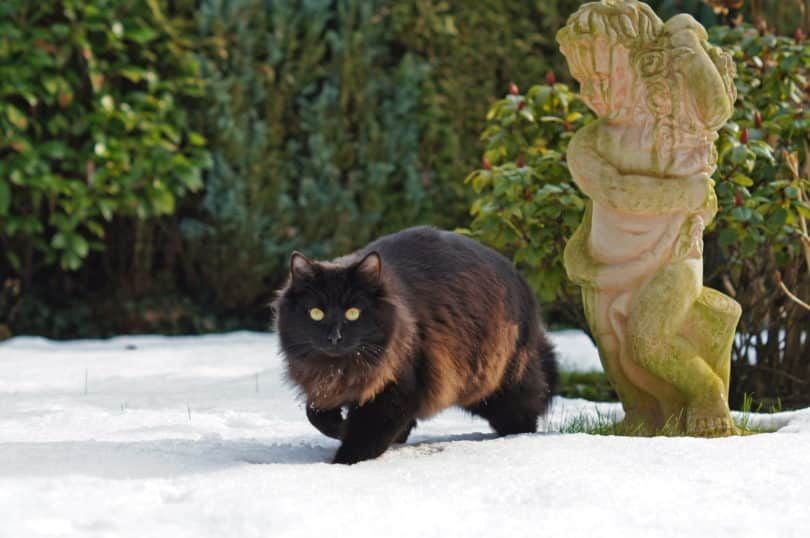
The trees turning colors and the weather growing colder aren’t the only changes that happen during the fall months. Like many dogs, cats also get winter coats. This fur coat is thicker and denser than their summer coat and serves to keep your cat warm during the cold months.
Growing a winter coat is a natural part of every cat’s life, whether they live inside or outside. Cats are good at regulating their temperature and caring for their winter coat, but there are plenty of ways that you can help them adjust and stay healthy during winter. This guide will introduce you to the winter coat and how to manage all the molting that comes with it.

What Is a Winter Coat?
With the amount of time that we spend petting our cats, it’s easy to tell when something changes. You’ll notice when your cat’s winter coat comes in simply by how thick their coat gets and how much they shed as they get rid of their summer coat.
Most cats’ fur is made of two layers, an undercoat and a guard layer. The winter coat refers to the fluffy undercoat that they develop throughout the colder months of the year.
The undercoat is what gives your cat’s fur its thermoregulating properties. It’s a fine, soft, insulating layer underneath the longer and thicker guard hairs. The layer acts like a wooly sweater underneath a raincoat. Without the sweater, the thin raincoat will protect you from the rain, but you’ll still be cold. With it, though, you’ll be both warm and dry.

Do Indoor Cats Get a Winter Coat?
Despite being the perfect natural form of insulation against the cold, a cat’s winter coat doesn’t grow because the weather gets colder. It grows due to how much sunlight your cat is exposed to.
This means you’ll likely find that your cat gets a winter coat even if you live in an area that doesn’t get snow or you live in a hot climate 1. As the days get shorter and there’s less sunshine, your cat will grow a winter coat, anyway.
Your indoor cat might not go outside to need a winter coat, but they also won’t be able to spend as much time sitting in their favorite window to bask in the sun as the days get colder and shorter during the fall season. This limited sunlight will encourage your cat’s winter coat to grow the same way that the increasing sunlight in spring will encourage their body to shed that thick insulating layer in preparation for the warm summer.

How to Help Your Cat Adjust to Winter
Cats can still get cold, even if they have a fluffy winter coat designed to keep them warm. There’s also the risk of them getting too warm in your efforts to keep them comfortable or simply by their desire to sit as close to the fire as possible. While cats are good at managing their temperature, there are a few ways that you can help them adjust to cold weather.
1. Know When Your Cat Is Cold
Recognizing when your cat is cold will help you determine when your outdoor explorer needs to come indoors or needs a safe, warm spot outside. Pay attention to how your cat is reacting to the cold. Shivering is one of the most obvious signs of your cat being too cold, but they can also get frostbite, so check their paws and ears for damage.
A subtler sign of being too cold is restlessness. If your cat keeps moving from spot to spot, they might be looking for a suitably warm spot to curl up in. You can help by making them a cozy napping spot with an insulated pet-safe thermal mat. If they’re cold enough, you might even find your less-affectionate kitty starts sneaking onto your lap more often to borrow some of your body heat.

2. Have an Open-Door Policy
If your cat is used to spending time both outside and inside the house, winter won’t stop them from venturing outdoors. Your cat might want to visit their preferred toilet spot or simply get fresh air. Keeping an “open door” policy will give them the choice about when or if they want to go out or come in. You don’t need to leave the door wide open, but a reliable cat door is an excellent solution.
They might not want to come in immediately or when you call them, but they won’t want to stay outdoors all day either. Providing a way for your cat to come inside on their own will enable them to come and go as they please.
3. Keep Them Indoors
Winter is typically cold, but there are some days when the weather is worse than others. Cats have a higher body temperature than we do, and while they can handle a particularly cold day, temperatures below 45°F are best avoided.
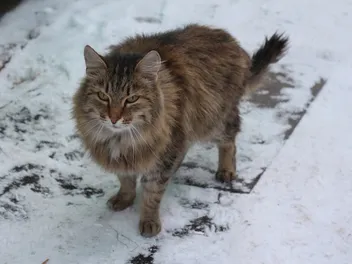
Your cat will likely already be staying indoors more often as the weather gets colder, but if they do decide to go out, make sure you note the temperature and weather first. This is even more important if there’s snow on the ground, it’s actively snowing, or it’s windy.
Your outdoor cat might be okay for a few minutes on a dry, sunny day, but don’t let them stay out for long or when the weather takes a turn for the worse. Indoor cats are less used to the cold, so be extra cautious about keeping the doors and windows shut.

How to Take Care of Your Cat’s Winter Coat
Like their temperature, cats are good at maintaining their coat health on their own. Most of the time, you won’t need to do much to keep their winter coat looking nice. A good diet and a stable routine are excellent ways to keep your cat relaxed and healthy.
The best way that you can help is by brushing them more often, especially if they’re older or overweight and have trouble grooming themselves. Even if they don't have a problem, a good brushing session is a great way to build a bond between you.
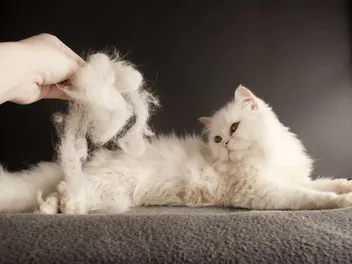
Most of all, a regular grooming session will help manage their shedding. When your cat develops their winter coat, they’ll shed excessively. They’ll also shed when they lose their winter coat in the spring and summer. Brushing them more often will help remove all the loose hair before it ends up clinging to everything around your home.
There’s another benefit: The less loose fur your cat has in their coat, the less they’ll ingest when they groom themselves, thus preventing hairballs. Regularly brushing your cat also removes the dirt and grime that builds up, keeping their skin free from irritants that might lead to sores or infections.
Conclusion
As the days grow shorter and colder, you’ll notice that your cat’s coat gets steadily thicker: This is their winter coat coming in. The winter coat is triggered by the shortening of light hours per day during the fall and winter months. It’s an insulative undercoat that protects your cat against the cold, whether they spend most of their time outside or stay home all day.
Sources
Featured Image Credit: Pxfuel
Expert cat care, straight to your inbox
News, insights, and useful advice, delivered to you.

No spam — unsubscribe anytime.
By signing up, you agree to our Terms & Conditions and Privacy & Cookies Policy.
How useful was this post?
Click a star to rate. You can leave written feedback afterwards. (We read all feedback.)
Christian started writing for a local newspaper as a teenager, and he's been involved in the publishing industry for most of his adult life. Combining his love of writing with a passion for animals, he is currently the Director of Editorial at Pangolia and the Editor-in-Chief at Catster.
Christian lives in the Philippines with his wife, son, and four rescue cats: Trixie, Chloe, Sparky, and Chopper.