Can Cats Eat Tacos? Vet-Verified Facts & FAQ


In this article
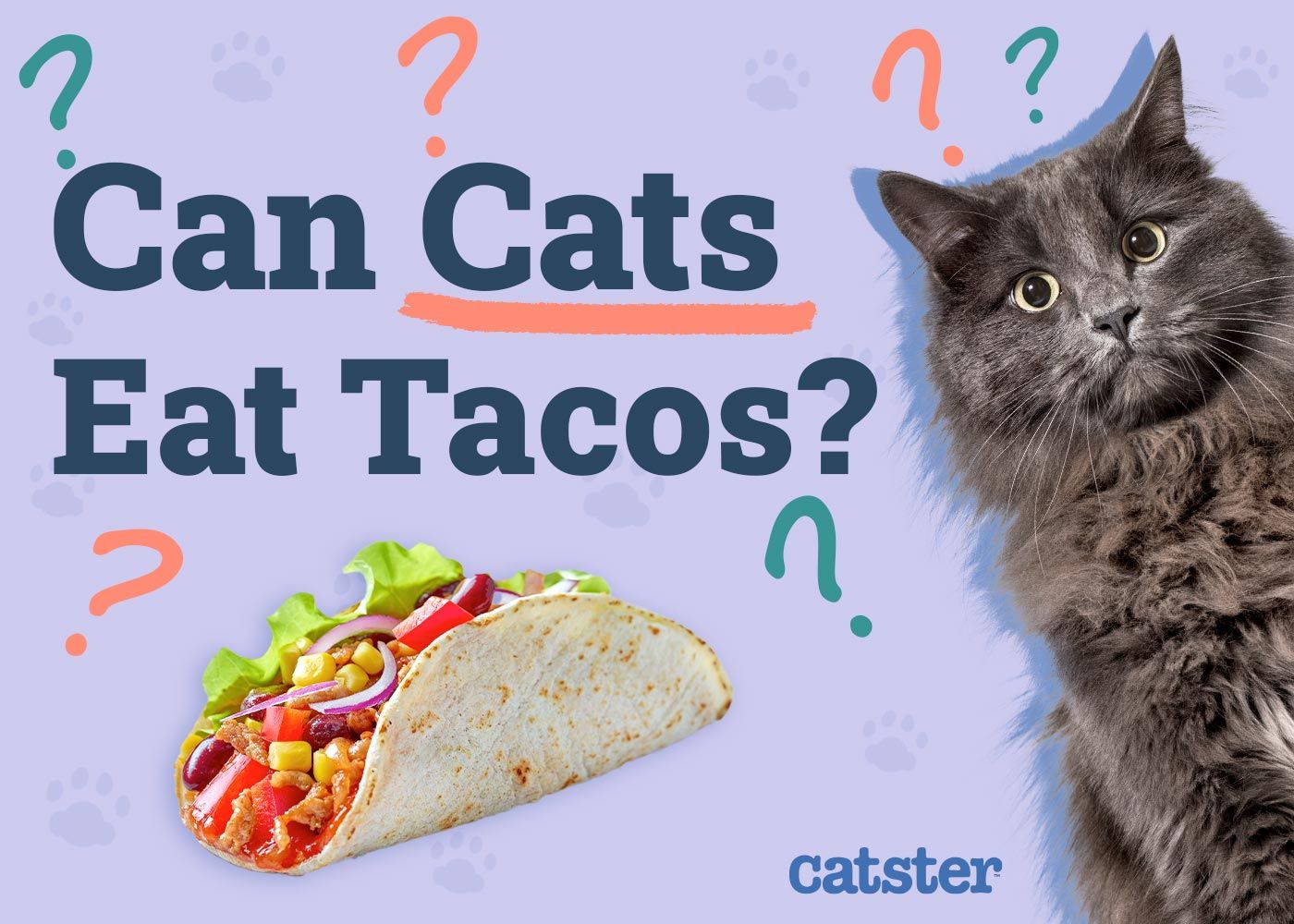
We all know about taco Tuesdays because who doesn’t love tacos right?! It is tempting to want to share your meal with your feline friend when those big eyes are staring back at you. You may be wondering if your cat can eat tacos.
The answer is maybe and it depends on a few factors. What part of the taco was consumed? What’s in the taco, and how much of the taco was eaten?

Can Cats Eat Taco Shells?
The good news is that corn shells are safe for cats but in moderation and in small amounts. Because of the high sodium content, taco shells are not suitable as a daily meal.
Items made with flour contain high carbohydrate levels that are not great for cats. A small amount won’t hurt them, but keep in mind that white flour is a common ingredient in cat food that they consume every day.

Can Cats Eat Taco Meat?
Cats, being carnivores, need meat in their diets to stay healthy. The problem with taco meat for your cat lies in the spices that make it so tasty. Unfortunately, they can be harmful if too much is consumed. If your cat has helped itself to your taco meat, you will need to determine the amount of taco meat that has been consumed and keep an eye out for any vomiting and diarrhea. However, if you want to include your friend on taco Tuesdays, prepare a small portion of unseasoned meat and put it aside.
Harmful Spices for Cats
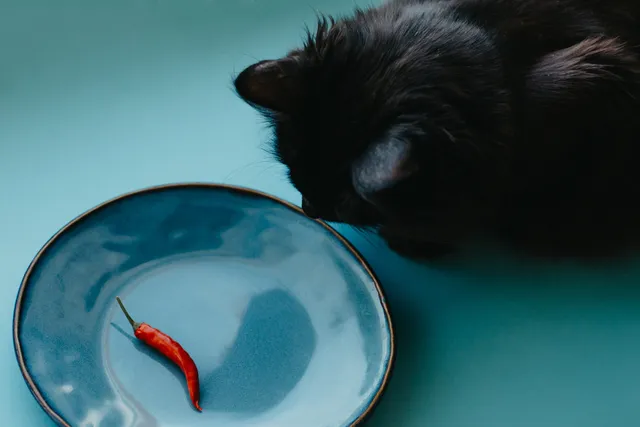
Cats have different tastebuds than humans and are unable to differentiate sweet from spicy, and they are unable to gauge the heat level of the spices. Tacos are loved for their spicy flavors, but unfortunately, your cat could end up with gastrointestinal problems if they eat too much.
Onions, garlic, shallots, and scallions (common taco ingredients) are dangerous to your cat and can lead to anemia. Other spices that should be avoided are:
- Salt
- Cinnamon
- Nutmeg
- Cayenne Pepper
- Chamomile
- Oregano
- Mint

What Human Foods Can Cats Eat?
Of course, we all want our kitties to be healthy and happy, and that starts with a well-balanced diet that they can obtain from high-quality cat food. There are certain human foods that are safe for your cat to enjoy, and if you love to share, you don’t need to be nervous about adding them to their bowl at dinner time.
- Meat: This is an obvious one as we know cats are carnivores, and protein is needed to stay healthy, but your cat’s meat dish should be unseasoned and bland.
- Whole grains: Grains have not been found to be harmful to cats. As long as they are cooked, they are a good source of fiber, minerals, vitamins, and essential fatty acids.
- Fish: Fish is a great source of omega 3 fatty acids which are anti-inflammatory and help increase brain function as well as assist with preventing arthritis.
- Eggs: Eggs are a great source of fat and protein for your cat. You can cook them for your kitty, but no seasoning should be added. Raw eggs, on the other hand, can make your cat sick.
- Vegetables: Vegetables can be beneficial to your cat but are often unappealing to carnivores. Zucchini is a healthy choice because it has a fair amount of vitamins, minerals, and fiber.

What Nutrients Are Essential for Cats to Thrive?
The best way to keep your cat healthy is to feed it high-quality cat food. Make sure it is AAFCO-approved to ensure your cat gets all the nutrients it needs.
- Protein: Cats are carnivores and need a lot of protein to thrive. It is an important energy source and is used to develop and maintain muscles, skin, nails, ligaments, hormones, and antibodies.
- Fat: Essential fatty acids are energy-rich nutrients and can be found in ingredients like salmon and liver.
- Carbohydrates: Carbohydrates should only play a small role in a cat’s diet as large amounts can promote weight gain. To reduce your cat’s carb intake, feed them wet food only.
- Vitamins and Minerals: A balanced diet and high-quality cat food should provide all the vitamins and minerals your cat needs.
- Water: Water is essential for cats, like most animals. While cats evolved to get most of their water intake from their food, water is vital to every metabolic function.
Final Thoughts
It’s ok to share a corner of your taco shell or let your cat lick the remains of the meat filling left on the plate. As long as your cat is fed a healthy and balanced diet and your taco sharing doesn’t replace their diet, they can happily enjoy tacos occasionally.
We all want the best for our felines, but if you are ever in doubt, don’t hesitate to contact your local vet for the best advice.
See Also: Can Cats Eat Tortillas?
Featured Image Credit: rafasuarezfoto, Pixabay
Expert cat care, straight to your inbox
News, insights, and useful advice, delivered to you.

No spam — unsubscribe anytime.
By signing up, you agree to our Terms & Conditions and Privacy & Cookies Policy.
How useful was this post?
Click a star to rate. You can leave written feedback afterwards. (We read all feedback.)
Christian started writing for a local newspaper as a teenager, and he's been involved in the publishing industry for most of his adult life. Combining his love of writing with a passion for animals, he is currently the Director of Editorial at Pangolia and the Editor-in-Chief at Catster.
Christian lives in the Philippines with his wife, son, and four rescue cats: Trixie, Chloe, Sparky, and Chopper.