Can Cats Eat Mulberries? Vet-Reviewed Facts & FAQs


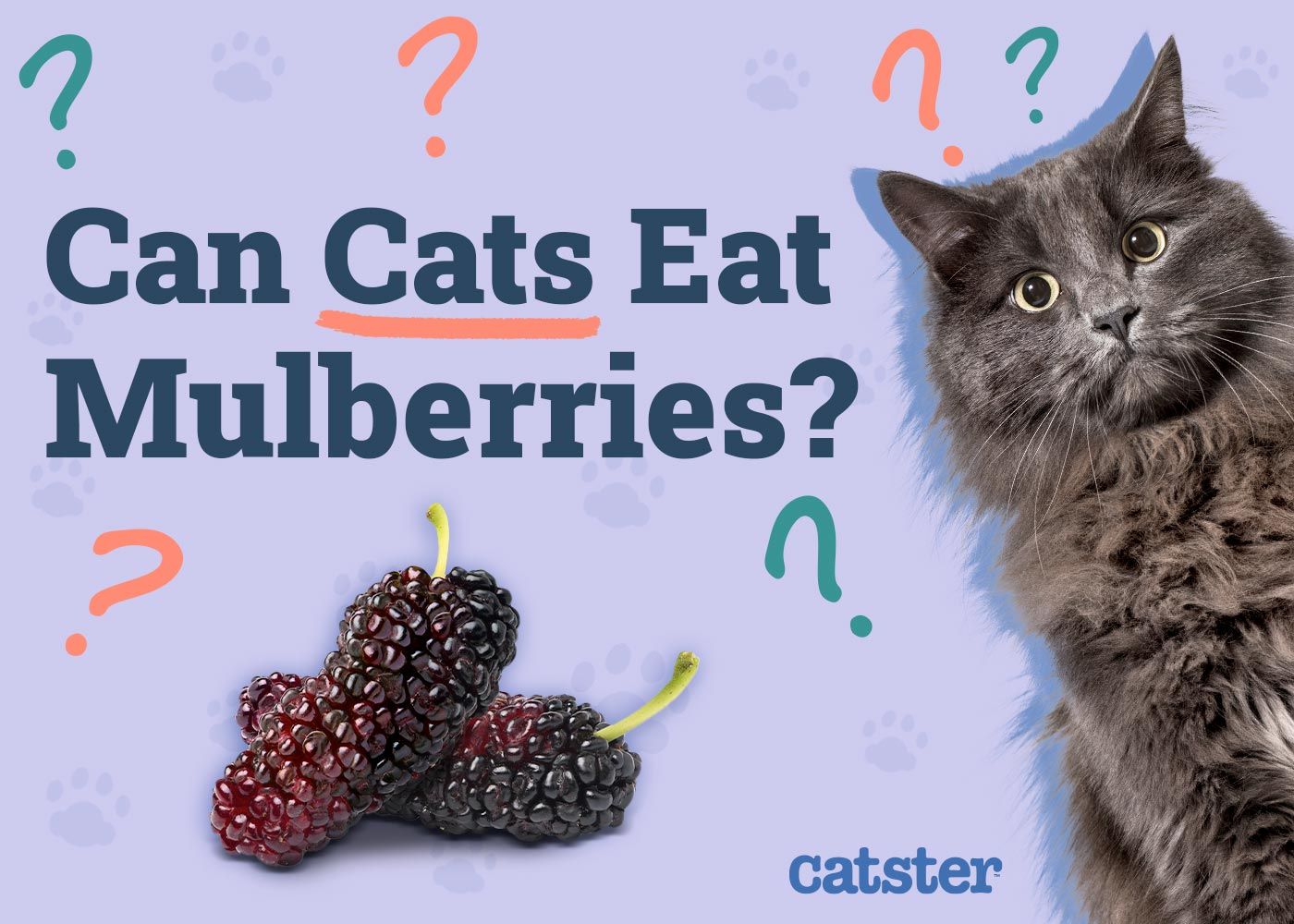
Mulberries are sweet fruits that range in color from red to deep purplish-black. For humans, the health benefits of mulberries are touted far and wide, but what about for cats? Good news: According to the ASPCA, mulberries are not toxic to cats. But would cats even want to eat mulberries in the first place? Do cats like fruit at all?
In this post, we explore the cat-fruit relationship, which fruits are safe for cats, and the kind of diet that your cat needs to thrive.

Do Cats Like Mulberries?
Cats lack sweet taste receptors, so you're unlikely to see them drooling over mulberries or any fruit, for that matter. Cats are also obligate carnivores by nature, so they don't need fruit and plant matter to thrive.
That said, we all know that cats are highly inquisitive, which can sometimes lead them to nibble on things that capture their interest without any particular reason other than sheer curiosity. Some cats will eat small pieces of fruit as treats and even appear to like them despite being unable to taste sweetness. It really depends on the cat.

My Cat Ate a Mulberry, Will This Harm Them?
Because mulberries aren’t toxic to cats, your cat should be fine if they eat a few. However, their digestive systems aren’t built to handle this kind of food, especially in large amounts, so if they eat quite a lot of mulberries (unlikely) or just don’t tolerate fruit well at all, it could lead to a tummy upset.
Is There Any Risk If a Cat Eats Mulberries?
While ripe mulberries are perfectly safe, the tree, leaves, and immature fruit contain a white sap that is mildly toxic. It’s known to cause skin irritation and stomach upset. The sap is also reported to have hallucinogenic effects both in humans and companion animals. As the fruit matures, the sap content is lost, so ripe mulberries are safe for consumption.
Which Fruits Are Safe for Cats?
Many cats don’t show any interest in fruit simply because it’s not in their nature to seek it out to eat. Nevertheless, sometimes cats do things that simply baffle us, and some cat parents have been stunned to find that their cats have taken a liking to fruit.
In general, fruits are high in carbohydrates, and those nutrients do not belong in a carnivore's diet. That said, you can offer a couple of tiny pieces as occasional treats, just not as their main diet. Although fruit isn’t on the menu for cats in nature, it can still provide a vitamin boost, and it is better than other, more sugar-loaded treats. Keep in mind that not all fruits are safe for cats; some are actually toxic to them. Safe fruits for cats include the following.
Blueberries
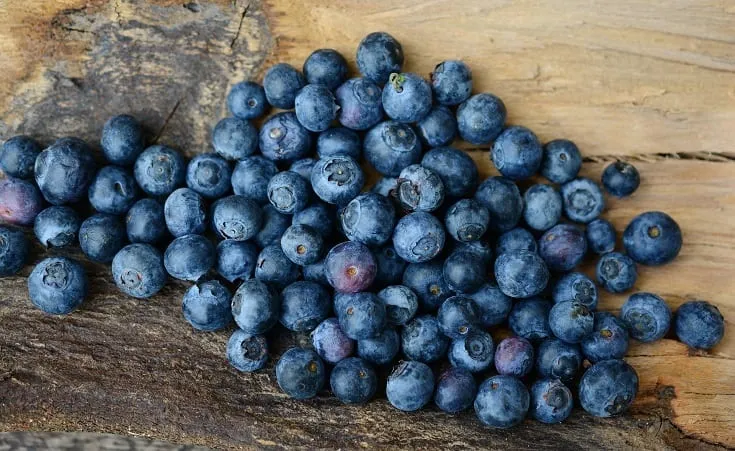
For a boost of antioxidants, try blueberries! If your cat likes them, you can blend a few with water and freeze the mixture in a cube tray for a refreshing summer treat!
Bananas

Bananas are fine for cats and contain potassium and vitamin B6, so they can even provide a little health boost. Some cats enjoy small pieces of frozen bananas to cool down in the hot summer months. Bananas are quite sugary, though, so keep it to the occasional slice or two.
Apple Flesh

You should never feed the core, leaves, or seeds of apples to cats, as these contain cyanogenic glycosides, but the flesh is fine. Small apple pieces can provide your cat with a little extra hydration and fiber.
Berries

In addition to mulberries, cats can eat raspberries, strawberries, cranberries, and blackberries. These fruits contain vitamins and antioxidants. Although berries are small, they should still be cut into even smaller bite-sized pieces for feeding to your cat.
Watermelon

Although watermelon seeds or rinds shouldn’t be fed to cats, watermelon flesh is fine in small amounts. It’s a source of vitamins and lycopene, which are great nutrients to protect your cat’s eyes. This is another favorite summer fruit for humans, so why not feed a few frozen watermelon pieces to your fruit-loving feline?
Cantaloupe

Cantaloupe is a source of antioxidants and vitamins. You can feed a couple of tiny pieces of cantaloupe flesh to your cat as treats, but you shouldn't give them the rind or seeds.
Which Fruits Are Toxic to Cats?
Unfortunately, not every fruit is suitable for cats, and the ingestion of some fruits can cause serious health issues. Steer clear of the following:
- Grapes
- Raisins
- Currents
- Cherries
- Sultanas
- Lemons
- Grapefruit
- Oranges
- Unripe tomatoes
- Plums
- Tangerines
- Pear seeds and skin
- Peaches
What Kind of Diet Do Cats Need?
As a carnivorous animal, a cat has a basic diet that should contain proteins, fats, vitamins, minerals, and minimal carbohydrates. These components are crucial for keeping your cat healthy and giving them the energy that they need. The easiest way to make sure your cat is getting all the necessary nutrients is to provide them with high-quality complete and balanced cat food.
You can supplement your cat’s standard diet with safe fruits, vegetables, and other healthy snacks if they enjoy them, but these should never be fed to your cat in place of the meat-based diet they need to survive. You should also not feed fruity candy like gummy bears or similar sweets to your cat—these are high in sugar and don’t benefit your cat in any way.
If your cat has a health condition, their dietary needs might be less cut-and-dry, and a vet may recommend a special diet for them instead. In addition, kittens eat special food in the early stages of their lives until their digestive systems can tolerate standard cat food. Kittens start off with suckling milk from their mothers and tend to move onto small amounts of kitten food at around the 6-week mark. Likewise, some older cats may require a different diet depending on how healthy they are.

Final Thoughts
Although mulberries aren’t a regular part of a cat’s diet, your cat can eat one or two ripe ones if the mood strikes. There are plenty of other safe fruits that your cat can munch on in small portions too. Cats shouldn’t be eating fruit in large quantities, though—this doesn’t fit with their dietary requirements and could result in an upset stomach. Be sure to practice moderation, and only feed fruity treats to your cat occasionally.
Sources
Featured Image Credit: BoyKat, Pixabay
Expert cat care, straight to your inbox
News, insights, and useful advice, delivered to you.

No spam — unsubscribe anytime.
By signing up, you agree to our Terms & Conditions and Privacy & Cookies Policy.
How useful was this post?
Click a star to rate. You can leave written feedback afterwards. (We read all feedback.)
Kit Copson is a freelance writer and lifelong animal lover with a strong interest in animal welfare. She has parented various furry beings over the years and is currently a proud cat mom of two—one very chilled (unless hungry) Siamese and a skittish but adorable Domestic Shorthair—and dog mom of one—an adopted Bichon Poodle cross. When not writing about or spending time with animals, Kit can be found doodling in her sketchpad, reading, or more often than not, drinking tea.