Get

In Your Inbox

Catster is reader-supported. When you buy via links on our site, we may earn an affiliate commission at no cost to you. Learn more.

Can Cats Eat Dragonflies? Vet Approved Facts & FAQ


Can Cats Eat Dragonflies

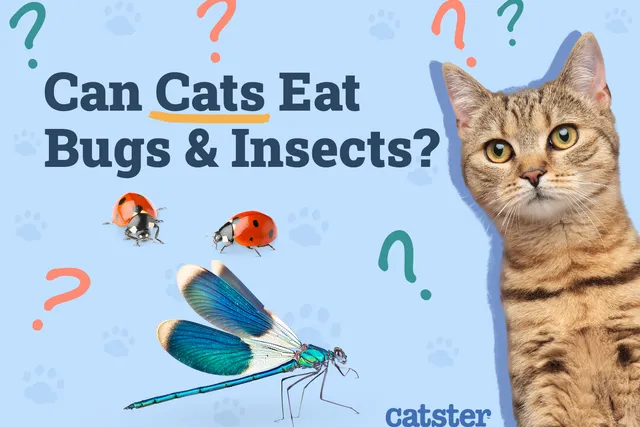
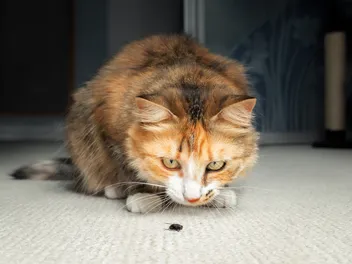
Cats love to chase things, especially things that fly quickly. It is one reason why so many birds die due to domestic cats every year (which can actually become a serious problem in some areas). Dragonflies are another animal that is often the victim of a cat’s playful personality. In fact, many cats may decide to chase and eat dragonflies.

Luckily, there isn’t much of a problem with cats consuming dragonflies. While these bugs don’t have much nutritional content and aren’t going to do much for your feline, they aren’t particularly risky for your cat to eat, either.

There is no reason to prevent your cat from eating a dragonfly. They aren’t common carriers of any parasites that may threaten your cat. They also aren’t toxic. Therefore, they’re completely safe for your feline to eat.

divider 3 paws

Are Dragonflies Poisonous for Cats to Eat?

Dragonflies do not create any toxins. Therefore, cats can eat them without any troublesome consequences. Humans could eat them too if you really wanted to. This counts dragonfly nymphs, as well, which live underwater.

Of course, catching these bugs is often a challenge. Dragonflies move very quickly, so it is challenging for cats to catch them. This game is often the most fun, though. Most cats hunt dragonflies because it is fun, not necessarily because they want to eat them. However, if they catch one, many cats will eat them.

Dragonflies are brightly colored but this has more to do with finding a mate than it does with toxin production. It is true that many toxic bugs are brightly colored, but the dragonfly does not fall into this category.

Do Dragonflies Carry Diseases?

Polydactyl orange tabby cat walking outdoor
Image by: Jenny Margarette, Shutterstock

While just about anything can technically carry some diseases, dragonflies are not particularly known for their ability to carry diseases. In fact, these bugs are pretty much harmless. They don’t spread illnesses, sting, or feed on crops. Therefore, they can be a rather helpful bug to keep around.

Your cat likely enjoys chasing dragonflies because they are large and easier to catch than many other bugs. While dragonflies are extremely fast, a stalking cat may be able to strike one without much of a problem.

Luckily, because dragonflies don’t carry diseases, you don’t have to worry about your cat catching a disease from a dragonfly. In the end, this makes dragonflies one of the better options for cats to chase.

However, to reduce your cat’s impact on the biodiversity of your garden you can give them plenty of opportunities to play with you and toys instead of eating the wildlife.

Can a Dragonfly Hurt a Cat?

Of course, when the dragonfly gets caught by the cat, you may expect them to defend themselves. Despite their large size, though, dragonflies are pretty much harmless. They do not sting and cannot bite. Therefore, they cannot defend themselves against your cat. They also can’t harm you.

Some very large dragonflies can bite, but their mouths are so small that the odds of them breaking skin is low. Furthermore, if a dragonfly bites and then their target suddenly pulls back, the dragonfly’s head will get ripped off. Their jaws are very large, but their neck is not.

Therefore, dragonflies typically only bite as a last resort. After all, the odds of them killing the dragonfly are quite high. For the most part, these bugs only use their mandibles to eat prey items. They aren’t designed for self-defense purposes.

Get Free Cat Food Recall Alerts!

Your cat’s health matters. Get instant notifications about cat food recalls here

divider 2 cats

Conclusion

Dragonflies are not toxic to cats at all. They can’t harm cats in any way, except occasionally biting them. However, dragonflies cannot bite very hard, and this usually leads to their death. They only bite if they are being threatened and are likely to die, anyway.

Dragonflies do not carry toxins or diseases and they don’t have parasites that could be passed to your cat. Therefore, if you see your cat chasing and eating dragonflies, there is no reason to worry.

These bugs can be fun for cats to chase, as they are big, fast, and erratic. However, if your cat does manage to catch one, eating them should not be a problem.

Related Reads:

Want content like this delivered to you?

Sign Up For Our Newsletter

News, insights, expert advice, and everything cat

* By submitting, you agree to our Terms & Conditions and Privacy & Cookies Policy.


How useful was this post?

Click on a star to rate (you can leave written feedback after clicking submit)

Help us improve Catster for pet parents!

Your feedback really matters.

What did you like about this post? Also how can we improve it?

Join the conversation

Leave a Reply

You’re very welcome to leave a comment or question. Please know that all comments must meet our community guidelines, and your email address will NOT be published. Let’s have a positive and constructive conversation.


Talk With A Vet Online

Peace of mind,
anywhere, anytime

Affordable vet advice

Manx Cat vs American Bobtail Cat: Key Differences (With Pictures)

The Manx Cat and the American Bobtail Cat share one physical characteristic: they both have short, cropped tails. However, while the Bobtail cat...

How Much to Get a Cat Chipped In the UK? (2026 Update)

Microchipping is a common practice for pets in the UK and it helps ensure that lost or stolen cats are reunited with their...

Cat Ear Communication: Ear Positions & Vet-Verified Meanings

Sometimes, you really want to know what your cat is thinking and feeling. Unfortunately, our favorite felines can’t speak to us to tell...

Adventures, Picnics, and a Little Bit of Kitty Chaos: Milly Unleashed (Part Two)

Welcome to the Wednesday Cats of Catster! Every week, we share a story from one of our cat-loving Catsters. This week is about...

More related

John Bradshaw Explains the Mysteries of Cat Behavior – with Science!

We all like to think we’re experts when it comes to our own cats. We happily explain away their quirkiest behavior with a...

CBD Oil for Cats: What It Is, What It Isn’t & How It Works (Vet Answer)

CBD oil has garnered significant attention and momentum in the human medical field. This “medical cannabis” has been used to treat chronic pain,...

Why Does My Cat Yowl After Eating? 5 Vet-Verified Reasons for This Behavior

No matter how much we think we understand cats, they still have quirks and habits that can surprise even the most experienced owners....

Lilac Tortoiseshell Cat: Info, Pictures, Facts & History

A tortoiseshell cat is distinguished by its coat, which resembles the color pattern of a tortoise shell. The coat is usually a mixture...

Keep reading

How Long Can a Cat Go Without Pooping? Vet-Verified Causes & Solutions

Cats are extremely routine-based animals, and if you watch them long enough, you will notice that they do certain things at the same time each day and can be accurate even down to the minute. This is so true that...

woman-teaching-cat-to-uese-litter-box

Can Cats Eat Cereal? Vet-Verified Nutrition Facts & FAQ

If you can’t resist sharing the last of your cereal and milk with your cat, you might wonder if this is a good idea. Is cereal bad for cats, or can you let them eat as much as they like?...

Can Cats Eat Cereal

Birman Cat Health Problems: 14 Common Issues

If you’re a Birman parent—lucky you! These gorgeous purr-machines always win hearts with their beauty and affectionate natures. Cat parenting does come with many worries, though—especially if your furbaby gets ill or you’re concerned about congenital illnesses. In this post,...

Catster_Health Problems of Birman Cats

7 FIV in Cats Vet-Approved Facts You Might Not Know About

Feline immunodeficiency virus (FIV) is a common and serious infection in cats worldwide. This lentivirus, which weakens the cat’s immune system, is similar to the human immunodeficiency virus (HIV) responsible for AIDS in humans 1. Although cats with FIV may...

woman holding her cat in vet clinic

Can Cats Eat Paprika? Vet-Reviewed Facts & FAQ

Paprika is a commonly used spice that is made from dried peppers. The peppers used in paprika can be sweet or spicy peppers (generally from Capsicum annuum varietals), so there may be some variability in the flavor of your paprika....

Catster_Can Cats Eat Paprika_v1_Dec 4 2024

Can Cats Eat Melatonin? Vet Recommendations & Facts

If you regularly have insomnia, chances are you’re familiar with the supplement melatonin. Melatonin is widely used for insomnia because it’s effective (and necessary) for regulating one’s sleep cycle. As a cat parent, you may have wondered if your cat...

Can Cats Eat Melatonin

Can Cats Drink Salt Water? Vet-Reviewed Facts & Advice

We all grew up knowing that we shouldn’t drink salt water. That said, gargling with salt water seems to be a safe practice. It can even reduce tooth and gum pain. But we know better than to swallow the saltwater...

Can Cats Drink Salt Water

Can Cats Eat Cicadas? Vet-Reviewed Health Concerns

As any cat owner will attest, cats are expert hunters. Their instinct for preying on small, fast-moving objects is baked into their DNA. This instinct and innate skill have been key to their survival. While small mammals like mice are...

Catster_Are Cicadas Toxic to Cats

Love Cats? So Do We! Join the Catster Community

Stay informed with expert pet care insights delivered straight to your inbox! Discover professional guidance on animal behavior, feeding tips, trusted product picks, and much more.


Sign up for the Catster Email Newsletter

Stay informed with expert pet care insights delivered straight to your inbox! Discover professional guidance on animal behavior, feeding tips, trusted product picks, and much more.