Can Cats Eat Chestnuts? Vet-Approved Diet Precautions & Advice


Do you have a furry friend at home and are curious if chestnuts are a safe snack for them? Wonder no more! Let’s explore whether cats can eat chestnuts and answer some other pressing questions about the safety of this food and other nuts for our feline friends. As a quick answer, yes your cat can eat them, but it is important that they are plain. Keep reading to learn everything you need to know before giving your cat a taste of this winter treat.

Can Cats Eat Chestnuts?
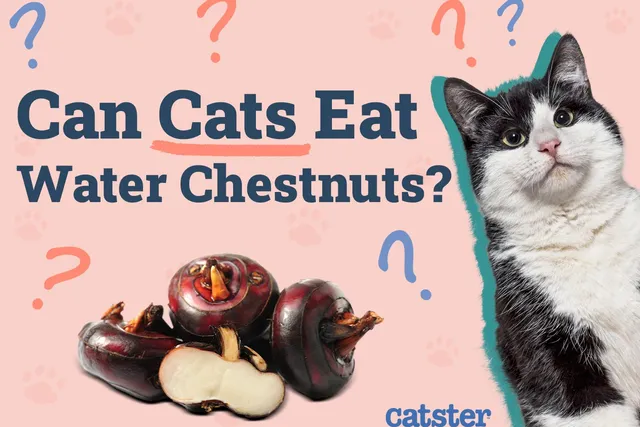
Can cats enjoy the taste of chestnuts as much as we do? The answer is yes. Plain American chestnuts are non-toxic and perfectly safe for your feline friend to consume. However, horse chestnuts are toxic and should be avoided. If you're not sure which type of chestnut your cat has gotten ahold of, it's always best to err on the side of caution and contact a veterinarian.
Are Chestnuts Healthy for Cats?
Now that we know chestnuts are safe for cats to eat, you may be wondering if they offer any nutritional benefits. Unfortunately, chestnuts are not a particularly good source of dietary macros for cats and are mostly composed of carbohydrates, containing little protein and fat.
They do, however, provide a great source of vitamins and minerals, including vitamin C, potassium, and magnesium. They are also a good source of fiber, which can help to keep your cat's digestive system healthy. Additionally, chestnuts contain antioxidants that can help to protect your cat's cells from damage.
So, while your cat can safely enjoy a chestnut as an occasional treat, they shouldn't make up a large part of your feline's diet.
Safely Feeding Your Cat Chestnuts
If you've decided to give your cat a chestnut as a special treat, there are a few things you should keep in mind.
They may cause dietary imbalance or gastrointestinal upset if consumed in large quantities or too frequently.
Here are a few tips for safely feeding your cat chestnuts:
If you have any concerns about feeding your cat chestnuts, talk to a veterinarian first. They can offer personalized advice based on your feline's individual health needs.
Can Cats Eat Nuts?
You might be surprised to learn that while cats are generally not known for their love of nuts, there are a few varieties they can safely eat. However, it's important to keep in mind that nuts should always be given in moderation, as they are relatively high in fat. In addition, certain nuts, such as walnuts, contain a compound called tannins, which can be harmful to your cat's digestive system. In general, nuts aren't the best choice for your feline friend's diet, but they can be given as an occasional treat.
Nuts Safe for Cats

Nuts Unsafe for Cats
- Pistachios: high in fat and a significant choking risk
- Pecans: mold easily
- Almonds: choking hazard
- Brazil nuts: very high in fat
Nuts Toxic to Cats
- Horse chestnut
- Black walnuts
- Macadamia nuts
- Raw cashews

Signs of Nut Toxicity in Pets
As a pet owner, it's important to be aware of the dangers that nuts can pose to your furry friend.
While most nuts are safe for pets to eat in small quantities, they can cause serious health problems if consumed in large amounts.
Signs of nut toxicity include
- Vomiting
- Diarrhea
- Difficulty breathing
- Seizures
If you think your pet has eaten a toxic number of nuts, it's important to seek veterinary care immediately.
Sometimes you may not even be aware your cat has consumed any nuts in the first instance, so always contact a vet if you recognize any strange signs.
With prompt treatment, most pets make a full recovery from nut toxicity. However, in severe and rare cases, the condition can be fatal. To avoid this potentially life-threatening problem, be sure to keep nuts out of reach of your pets at all times.
Final Thoughts
While chestnuts are safe for cats to eat in moderation, there are a few things you should keep in mind. Be sure to remove the husks and shells before feeding them to your feline friend, and cut the chestnut into small pieces to avoid any choking hazards.
Chestnuts (and other nuts) are not a part of a cat's natural diet. It's best to avoid integrating nuts into a cat diet based on their risks.
However, if you want to satiate your cat's curiosity and let them try a small amount, that is fine. Or, if your cat helps itself to a chestnut or two, you need not worry. Just monitor their health and behavior for the next 24 hours in case they react poorly.
Related Reads:
Sources
https://www.aspca.org/pet-care/animal-poison-control/toxic-and-non-toxic-plants/chestnut
https://www.aspca.org/pet-care/animal-poison-control/toxic-and-non-toxic-plants/horse-chestnut
https://www.preventivevet.com/pets/safe-and-unsafe-nuts-and-seeds-for-pets
https://lortsmith.com/need-help-now/cat/poisons-toxins/toxic-foods/macadamia-nuts-in-cats/
Featured Image Credit: 995645, Pixabay
Expert cat care, straight to your inbox
News, insights, and useful advice, delivered to you.

No spam — unsubscribe anytime.
By signing up, you agree to our Terms & Conditions and Privacy & Cookies Policy.
How useful was this post?
Click a star to rate. You can leave written feedback afterwards. (We read all feedback.)
With an early start in the veterinary industry and as a conservation educator at Disney’s Animal Kingdom in Florida, Sophie has since been a successful Zookeeper and Conservationist, specializing in native New Zealand species. When she’s not bird watching in native forests or crawling through the underbrush at midnight searching for rare frog species, she can be found with her farmer husband on their sheep and beef station, far from civilization. Alongside them, they have 2 cats, 9 chickens, and 11 dogs (most notably, her sidekick, a black Labrador aptly named Jellybean). Sophie enjoys her writing career as it provides opportunities to help and support pet owners of all kinds to give animals the best welfare possible. The only downside is the long list of strange searches in her internet history!