Can Cats Eat Bread? Vet-Approved Facts & FAQ


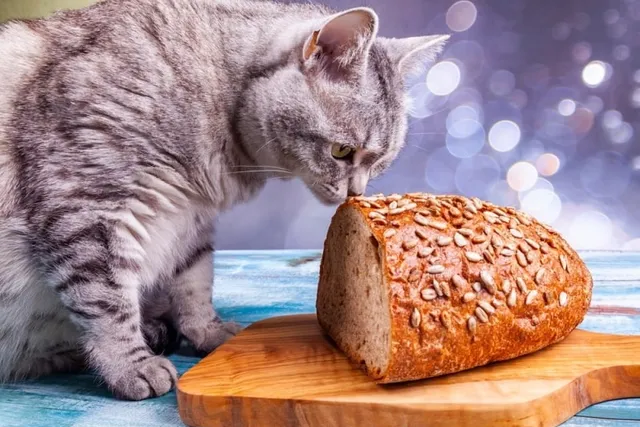
Bread is a tasty treat that can be served in a variety of ways. During the pandemic, many people began experimenting with making their own bread at home due to shortages at grocery stores and bakeries, as well as to alleviate lockdown boredom. Whether you make your own bread or buy it at the store, bread is a pretty common item in most homes. It can show up in many forms, like sliced bread, muffins, and cakes. Can you share these tasty foods with your cat, though? Technically, yes, cats can eat bread.
For a quick answer to this question, check out this video. If you have the time, then read on for more information about giving bread to your cat.

Can Cats Eat Bread?
Technically, yes, cats can eat bread. This means that bread isn’t toxic to cats and isn’t likely to cause any harm in the short term. However, cats are obligate carnivores that have no need for bread in their diet. A bite of bread here and there can be a tasty treat for your kitty, but it should only be offered in moderation.
When it comes to baked goods, like cakes, cookies, and muffins, it’s best to avoid giving these to your cat. Again, they aren’t toxic to your cat, but these foods are often high in sugar, fat, and calories. Sweetened baked goods are more likely to cause stomach upset for your cat than plain bread.
Of course, don’t give your cat any breads that contain ingredients that are toxic to cats, including onion, garlic, coffee, and chocolate.

Is Bread Good for Cats?
While safe to eat, bread is not good for cats. It is an unnecessary food item to meet their nutritional needs and contains very little nutritional value for your cat.
If fed in large quantities, bread can bloat in your cat’s stomach, leading to discomfort, nausea, vomiting, and abdominal distention (swelling).
Due to its high calorie count, and the potential for high amounts of sugar and fat, bread should not be offered to cats as a regular treat. Over time, foods like bread can lead to weight gain and even obesity. Maintaining a healthy body weight is essential for maintaining your cat’s health. Obesity can contribute to many problems, including joint problems and diabetes.
Can Cats Eat Bread Dough?
No, you should not offer raw dough of any kind to your cat. This also goes for sourdough starters and other types of starters.
Raw dough carries risks due to diseases that can be carried in raw flour. Raw starter also carries the risks associated with raw dough, as well as the risk of contamination from improper storage. If consumed in larger quantities, starters can lead to abdominal bloating and discomfort. In severe cases, the swelling can be significant enough to cause obstructions within the digestive tract.
In Conclusion
While cooked bread is technically safe for your cat to eat, it provides essentially no nutritional value for your cat. It’s an unnecessary addition to your cat’s diet, so bread should only be offered in small quantities on occasion as a treat.
Raw bread dough or starter should not be fed to cats, nor should breads containing ingredients that are toxic to cats. Sweet baked goods are best avoided due to the risk of stomach upset associated with them, as well as weight gain and obesity over time.
See Also:
Featured Image Credit: Alexas_Fotos, pixabay
Expert cat care, straight to your inbox
News, insights, and useful advice, delivered to you.

No spam — unsubscribe anytime.
By signing up, you agree to our Terms & Conditions and Privacy & Cookies Policy.
How useful was this post?
Click a star to rate. You can leave written feedback afterwards. (We read all feedback.)
Brooke Billingsley, a former veterinary assistant for nine years, became a nurse in 2013. She lives in Arkansas with her boyfriend of five years, surrounded by her beloved pets: three dogs, two cats, five fish, and two snails. Brooke has a soft spot for special needs animals, caring for a three-legged senior dog and a widely known cat with acromegaly and cerebellar hypoplasia. She has developed a keen interest in fish keeping and is always learning how to provide the best environment for her aquatic pets. In addition to her passion for animals, Brooke enjoys gardening and maintains a vegetable garden during the summer. She stays active with yoga and received her 200-hour yoga teacher certification in 2020. Brooke also hosts a podcast that delves into folklore and myth, dedicating her spare time to research and writing. She embraces the philosophy that every day is an opportunity for learning and growth, continually working to acquire new skills and knowledge.