Can Cats Eat Almond Butter? Vet Approved Facts & FAQ

In this article
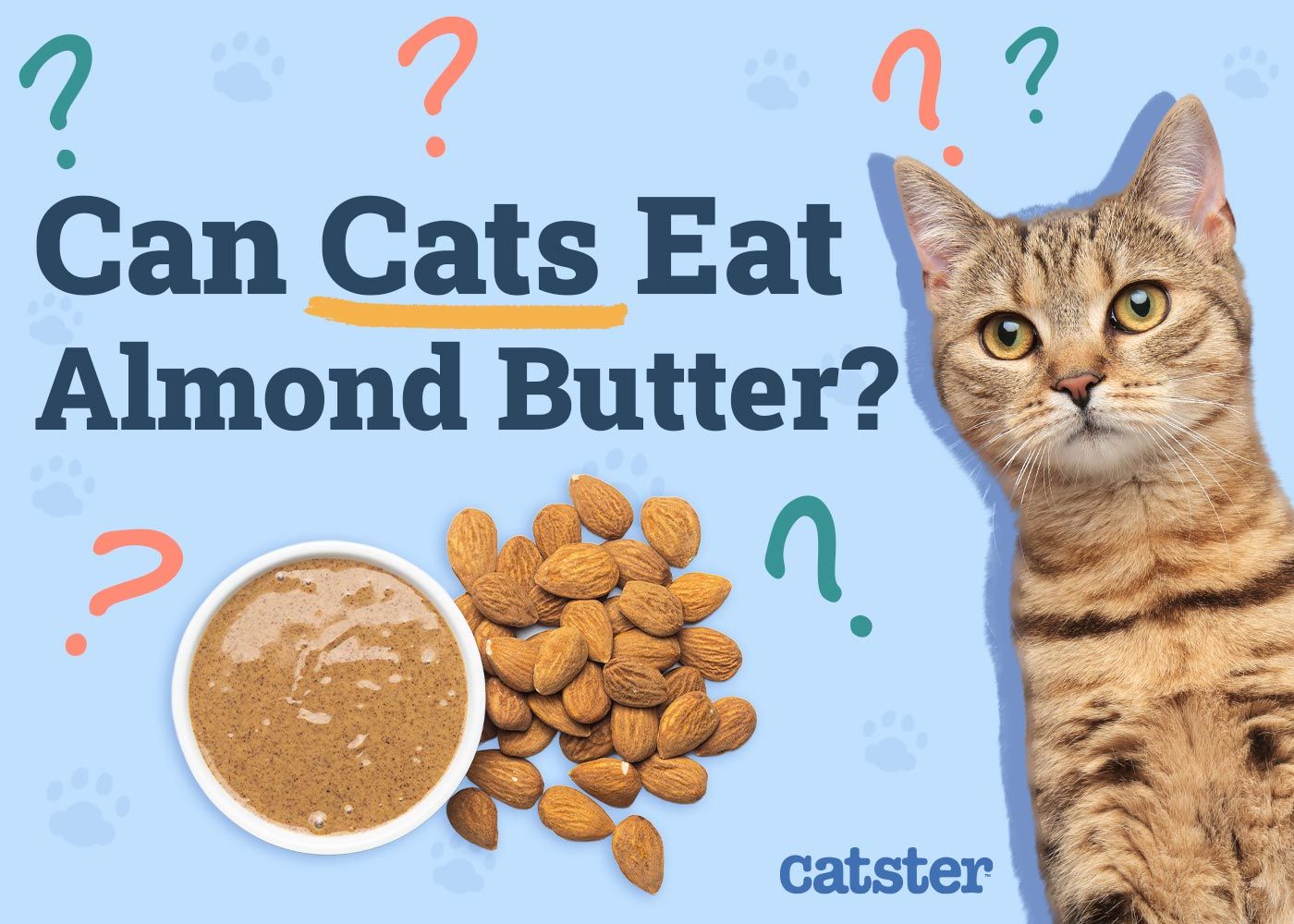
As a responsible pet owner, you want to be sure that almond butter is safe for your cat to eat before feeding some to them. The good news is that almond butter is not toxic for cats, but that doesn’t mean it’s appropriate or necessary for your cat to eat. Just like with other “human” food, it shouldn’t be a regular part of their diet.
Here’s everything you need to know about cats and almond butter.

Are Almonds Toxic for Cats?
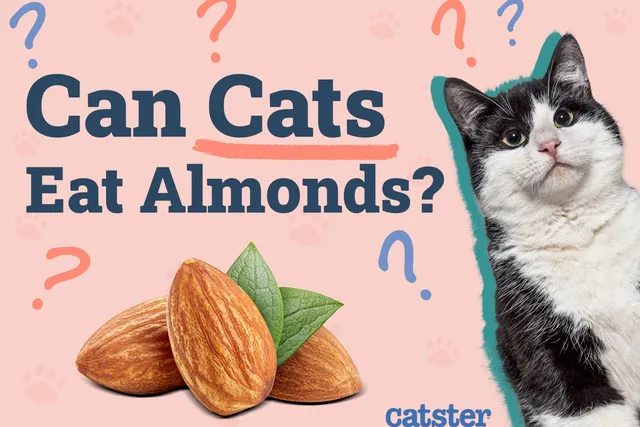
First, let’s take a look at almonds. Sweet almonds are not toxic for cats.1 Cats can eat almond products like almond butter and almond milk in strict moderation, but they will not benefit nutritionally from it. To say that all cats will do well with almonds is not true, though. Some cats with sensitive stomachs will experience stomach upset like diarrhea if they eat almonds because their bodies are not used to them.
Also, you should make sure your cat can properly chew and swallow a small piece of almond nuts before you give them as a snack. This is because the hard nut can pose a choking hazard for your cat. Additionally, if swallowed whole, the nut could cause an obstruction in your cat’s gut, which would require surgery. Almonds and most nuts can be contaminated with mold that is hard to see with the naked eye and produces harmful toxins. These can cause severe gastrointestinal and neurological signs in cats.
Other than these cautions, some cats can consume almonds without incident, while others will develop a stomach upset, but none will benefit from consuming these or any other nuts.

Which Nuts Are Poisonous to Cats?
There are very few nuts that are directly poisonous to cats, but most can be harmful and pose a health risk as they may be contaminated with mold (especially walnuts) and are generally not something cats should be eating in the first place. Because of the high levels of fat in the nuts, they could upset the digestive system and even predispose some animals to pancreatitis in rare cases, according to the ASPCA, although the cause of pancreatitis in cats remains a mystery.
Bitter almonds, on the other hand, are toxic for pets due to their cyanide content. Luckily, they are fairly uncommon in most markets in the US and should be clearly labeled.
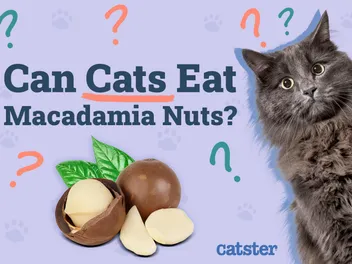
Macadamia nuts especially should be avoided. These nuts are a known toxin for dogs. Although it’s unsure whether they are toxic to cats in the same manner, it's probably better to be safe than sorry.
What About Almond Milk?
Strangely enough, many cats love the taste of almond milk. As a type of milk with no lactose, it could be considered a very occasional treat for some cats. Make sure your cat has no allergic reaction to almonds before giving them a small sip of almond milk, though. As a test, give them a teaspoon at a time. This will be enough (but not too much) to tell if they have an adverse reaction to the milk. You should also get the green light from a vet before trying to give your cat human food or introduce new foods, and remember to always do so in moderation and infrequently.
What About Almond Butter and Other Nut Butters?
Now that we know that sweet almonds are not toxic and may be safe for most cats to taste, what about almond butter and other nut butters?
Since almond butter is essentially concentrated almonds, it's best to only serve a tiny little bit at a time to your kitty, after consulting with a vet. Too much could cause stomach upset. Some cats will still develop vomiting and diarrhea, as this food is too fatty for them and not appropriate. Not to mention, they will reap no health benefits from it. Do also make sure that your almond butter (or any nut butter) is not packed with added sugar and that it doesn’t contain any other additives or artificial sweeteners. In general, cats should not eat sugar, as it contributes to problems like obesity in cats, which then predisposes them to a long list of health issues. Cats are obligate carnivores and only thrive on an animal protein diet.
With nut butter spreads, even just the consistency could be problematic for some cats. Due to its tacky nature, it could be difficult for some cats to get down their esophagus and it may lead to choking. Make sure to watch your cat while giving them the nut butter, and offer plenty of water.
Human Food Cats Shouldn’t Eat
Now we know almonds and almond butter are, in most cases, okay for cats to taste in small amounts. But what foods should we avoid giving our cats?
Onion or Garlic

Most veggies are okay for your cat to occasionally consume in small amounts, but not onions or garlic. This includes chives and leeks, too. Any vegetable in this family can damage a cat’s red blood cells, cause anemia, and/or disrupt your cat’s gut with signs like nausea, vomiting, or diarrhea
Chocolate

Theobromine, an ingredient found in all kinds of chocolate, can cause tremors, abnormal heart rhythm, seizures, and even death in cats. Though they will not normally be drawn to it (cats can’t taste sweet things), you should definitely avoid giving a cat any kind of chocolate.
Grapes and Raisins

Some cats will be unaffected by grapes or raisins, while other cats (inexplicably) develop kidney failure from eating either of these foods. Don’t take the risk; do not feed your cat grapes in any form.
Alcohol

Alcohol affects our brains and livers mildly, but for cats, these side effects of alcohol consumption are dramatic. Only a small amount can cause a coma in a cat, or even death.
Xylitol

While it's not a proven harmful ingredient for cats, xylitol can be seriously damaging for dogs. Like macadamia nuts, it’s safer to avoid giving this ingredient to your cat, even though the jury is out on its ultimate effect on cats.

Human Food Cats Can Eat
Not all foods are off-limits for your cat. For an occasional treat.
Your cat can enjoy the following foods:
Conclusion
Next time you see your cat eyeing that piece of almond butter toast, don’t panic if they steal a little bit off the table. For some cats, almond butter may be safe to eat in small quantities, but others may develop a stomach upset. They won’t benefit from it, and it should definitely not be a part of their usual diet. Instead, make sure your cat is getting all of their essential nutrition from a cat food brand that you and your veterinarian trust.
You Might Also Be Interested: Can Cats Drink Almond Milk? What You Need to Know!
Sources
Featured Image Credit: Justyna-Pankowska, Shutterstock

Expert cat care, straight to your inbox
Vet-reviewed advice, behavior tips, and the best of Catster. Free, and you can unsubscribe anytime.
By signing up, you agree to our Terms & Conditions and Privacy & Cookies Policy.
Jordin Horn is a freelance writer who has covered many topics, including home improvement, gardening, pets, CBD, and parenting. Over the years, she has moved around so much that there's been no time to settle down and own a pet. However, as an animal lover, she dotes on and cuddles any pet she happens upon! She grew up with and dearly loved an American Eskimo Spitz named Maggie and a Pomeranian/Beagle mix named Gabby. She calls Colorado home, but has also recently resided in China, Iowa, and Puerto Rico
Jordin does not like to settle for the "easy answer" when it comes to living life with your pet. She loves to research the best methods and products out there and cut through the jargon so you can see plainly what something is or how something is done.
Join the conversation
Ask a question, share your story, or send private feedback.