Get

In Your Inbox

Catster is reader-supported. When you buy via links on our site, we may earn an affiliate commission at no cost to you. Learn more.

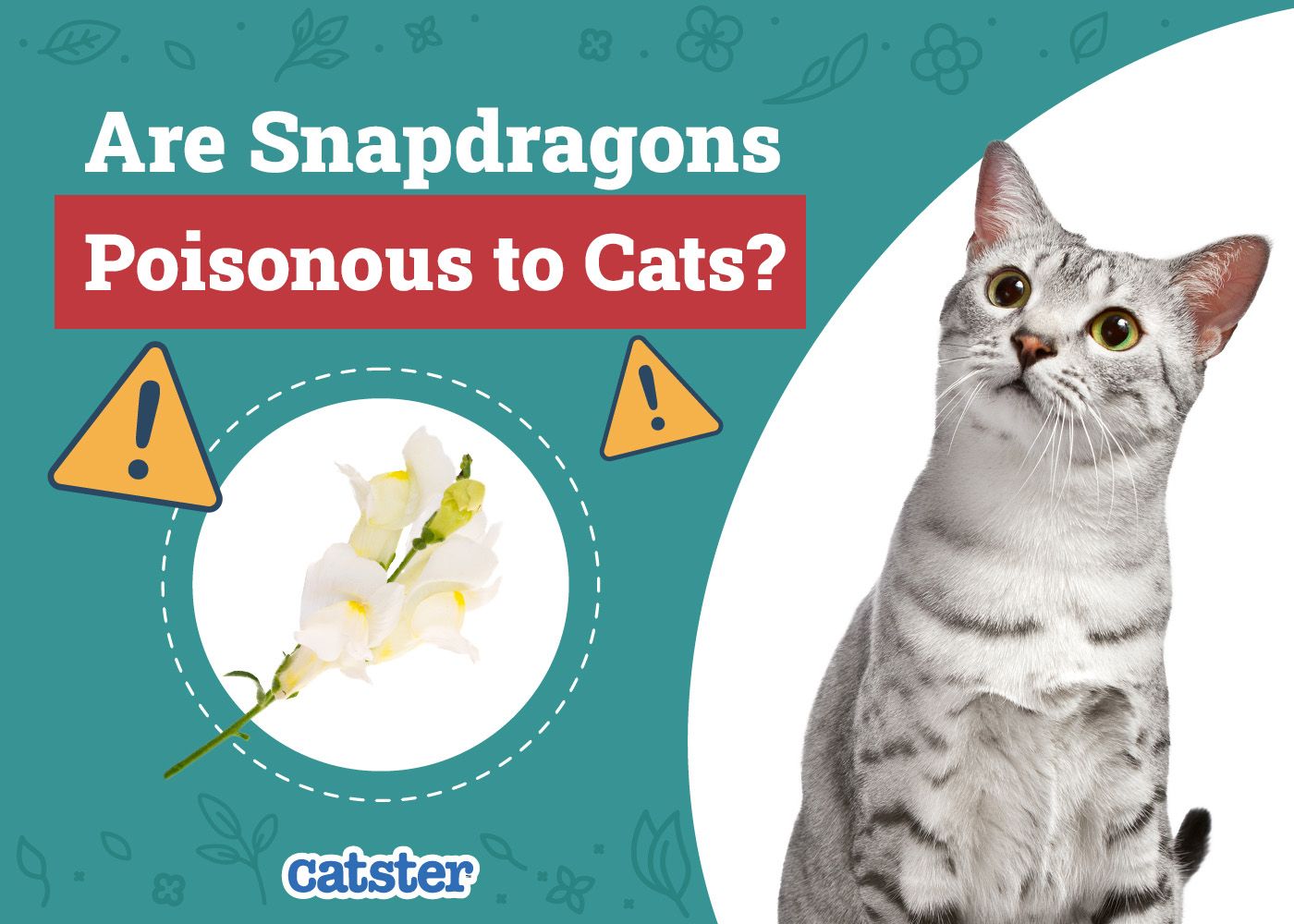
Are Snapdragons Poisonous to Cats? Vet-Verified Houseplant Safety

Share

Catster_Are Snapdragons Poisonous to Cats

Snapdragons are tall, candy-colored perennials that are usually grown as annuals. Gardeners grow snapdragons to brighten a garden or a front porch and even for medicinal uses.

These captivating flowers have bold colors that catch anyone’s attention, and it doesn’t take long for cats to notice them as well. If you have a feline friend frolicking through your flowers and are wondering if snapdragons are toxic to cats, you’re in luck. The ASPCA lists snapdragons as non-toxic to cats, dogs, and horses.1

So, you can take a deep breath because you have nothing to worry about! If you’re interested in growing this flower, then keep reading.

divider 2 cats

What Is Special About Snapdragons?

The shape of the snapdragon flower is what sets it apart from other flowers. The plant’s common name, snapdragon, describes the shape of the flower head, which looks like a dragon’s snout. Even the plant’s botanical name, Antirrhinum majus, means “like a snout.” The petals open and close in a snapping motion, making pollinators pry open the petals to reach the pollen.

Snapdragons are native to North America, North Africa, and parts of Europe. You can expect this plant to reach up to 4 feet high and bloom in several energetic colors. Some plants may only grow to reach a few inches high, depending on the variety you grow.

snapdragon flowers
Image Credit: Alicja, Pixabay

Some classic varieties of snapdragons include:

  • Tutti Frutti
  • Candy Tops mix
  • Rocket series
  • Madame Butterfly mix
  • Chandelier mix

Snapdragons like to stay cool, so spring and fall are the best seasons for the flowers to bloom. However, if you keep the flower bed watered and offer some shade, the heat from the summer shouldn’t exhaust the plant too much.

Can Cats Eat Snapdragons?

Snapdragons are safe for cats to chew on. This goes for all varieties of snapdragons.

It’s still a good idea to keep your cat from always chewing on the plant. Snapdragons are not toxic to cats, but too much of a good thing can be a bad thing, so try to keep your cat from nibbling on the plant too much. That way, you can avoid your cat getting an upset stomach.

Cat on the grass outdoors
Image Credit: CatKosianok, Pixabay

Other Cat-Friendly Flowers for the Garden

When you plant one flower, you can’t help but plant another and then another. Soon, you want an entire garden bed full of gorgeous flowers! To help, here’s a list of other non-toxic flowers you can include in your garden:

  • Orchids
  • Cornflower
  • Roses
  • Camellia
  • Coreopsis
  • Petunias
  • Nasturtiums
  • Sunflowers
  • Cosmos
  • Zinnias
  • African violets
  • Alyssum
  • Columbine
  • Salvia
  • Asters
  • Wax plant
a-light-beige-cat-with-a-pink-collar-stands-behind-a-flower-bed-with-violets-in-the-garden
Image Credit: Irinka-osinka, Shutterstock

What Are the Most Toxic Flowers to Cats?

Below is a list of flowers and houseplants you should always avoid or keep in a place where your cat can’t reach the plant. These plants have been deemed toxic by the ASPCA, so proceed with caution with any of these plants:

  • Lilies (always avoid!)
  • Ivy
  • Cyclamen
  • Delphinium
  • Aloe
  • Autumn Crocus
  • Azaleas and Rhododendrons
  • Tulips and Hyacinth
  • Sago Palm
  • Dianthus
  • Daisies
  • Dieffenbachia
  • Oleander
  • Kalanchoe
  • Larkspur

If you have any concerns or curiosities about your cat or their health, we recommend you contact your vet directly.

What Can I Spray on My Plants to Keep My Cats Away?

It’s inevitable, isn’t it? Our cats can’t help but try eating our plants. Well, there are ways you can keep your cat from eating your plants aside from planting a cat-friendly garden.

Cats have impeccable olfactory senses, meaning their noses pick up on a scent far better than humans. Using a spray that offends their nostrils is a great way to keep your cat from chewing on your precious plant babies.

Spray the plant leaves with a plant-friendly pet deterrent. This doesn’t work for every cat, but it’s better than chasing your cat around every time they venture too close to a toxic plant.

Another option is placing some citrus peels around your plants. Cats don’t like the smell of citrus and may avoid your plants altogether. Just make sure they don’t try to eat them too.

divider 3 paws

Conclusion

Now that you’ve learnt that snapdragons are non-toxic to cats. Know that you are a better pet owner because you took the time to research a plant to keep your cat safe.

Snapdragons are too beautiful a plant to pass up as a cat owner. Why not add a little beauty to your yard or windowsill and plant some cat-friendly flowers? There’s only one thing left to do now—head to the garden store!


Featured Image Credit: Teodor Buhl, Pixabay

Want content like this delivered to you?

Sign Up For Our Newsletter

News, insights, expert advice, and everything cat

* By submitting, you agree to our Terms & Conditions and Privacy & Cookies Policy.


How useful was this post?

Click on a star to rate (you can leave written feedback after clicking submit)

Help us improve Catster for pet parents!

Your feedback really matters.

What did you like about this post? Also how can we improve it?

Join the conversation

Leave a Reply

You’re very welcome to leave a comment or question. Please know that all comments must meet our community guidelines, and your email address will NOT be published. Let’s have a positive and constructive conversation.


Catster's Digital Magazine is Back!

Vet-approved health & behavior advice

Real cat stories & community features

Weird Cat Behaviors That Actually Make Perfect Sense

We have been sharing our lives with cats for thousands of years, yet we still find ourselves genuinely stumped by what they get...

The Dream of Talking to Cats Just Got Closer to Becoming a Reality

If you’ve ever wished your cat could simply tell you what they wanted, you’re not alone. From the meow that wakes you before...

Kizzy: The Feline Princess With a Purpose

We were first introduced to Miss Kizzy after she won a licky-treat challenge hosted by Professor Fluffovich, our resident feline research specialist. While...

Chatting With Sally About Mission Meow & Helping Cat Rescue Organizations Collaborate | Chatty Cattys, Episode 24

In this episode of Catster’s podcast, Chatty Cattys, Nicole and Dr. Karyn sit down with Sally Williams, the founder of Mission Meow, for...

More related

4 Curly-Haired Cat Breeds (With Info & Pictures)

Curly-haired cats are extremely rare, and the anomaly indicates they are missing at least one layer of their natural hair. Cats have an...

EveryCat Health Foundation Honored Recipient of Cat Writers’ Association Annual Fundraiser in 2024

EveryCat Health Foundation has been honored with the November 10th Donation Award from the Cat Writers’ Association, in conjunction with the CWA’s 30th...

Can Cats Get Lice? Vet-Approved Facts & Treatment Tips

Lice are a common problem for most pet owners, especially if your pet enjoys the outdoors. They can cause skin disease and itchiness,...

Applehead vs. Wedgehead Siamese: Key Differences (With Info & Pictures)

Siamese cats are one of the most popular and recognizable cat breeds, with their pointed coats, unique vocalizations, and deep blue eyes. The...

Keep reading

Does Lemon Juice Kill Fleas on Cats? Vet-Verified Effectiveness & Safety Explained

Keeping our pets parasite-free is big business, with a projected 2026 global revenue of $3.68 billion.1 Fleas are quite the nuisance on several fronts. These pests can cause allergic reactions in pets while increasing the risk of secondary infections if...

lemon juice

Why Is My Cat Running Sideways? 7 Vet-Reviewed Reasons

Cats are fascinating pets and behind their every action, there is a myriad of reasons and impulses driving them. Cat’s sideways movement, often called “crab walking”, is no different and encompasses a variety of behaviors with similar movement patterns. Most...

cat running on green grass

How to Stimulate Your Cat’s Milk Production: 6 Vet-Approved Solutions

Nursing is a beautiful time for a new mother, and as your cat’s owner, you’ll find that it’s a wonderful thing to witness and be a part of. It can be stressful, though, and if you notice that your cat...

tabby mother cat feeding her kittens

How To Flea Bomb With Indoor Cats: 5 Vet-Approved Tips & Precautions

When fleas hitch a ride on your pet, your home can soon become an unwelcome place. An infestation can make you and your animal quite uncomfortable from the unrelenting pests, and the problem will only worsen without treatment. Using flea...

Exterminator fumigating a room

Why Does My Cat Need Mental Stimulation? 7 Vet-Approved Reasons

Cats are quite curious and inquisitive by nature, so they require a significant amount of mental stimulation to satiate their curiosity and keep them happy. Along with keeping them engaged, mental stimulation can also boost a cat’s mood, increase their...

two cats playing with toy at home

Why Is My Cat Only Eating Treats and Not Their Food? 4 Likely Reasons

Oh no! Your cat, who used to be such a good eater, is now ignoring their full bowl but won’t stop meowing for treats. What gives? Well, your cat may just be acting like a kid who only wants to...

calico cat having treats

Can Cats Drink Sesame Oil? Vet Reviewed Nutrition Advice

Sesame oil is one of those “special” oils. Not every house has it in the pantry, like olive oil or coconut oil, but if you keep sesame oil in the pantry, you’ll be happy to know that it’s safe for...

Can Cats Drink Sesame Oil

Is Cat Palm Toxic to Cats? Vet-Approved Facts & FAQ

There are many common houseplants that people keep in their homes, but owners with pets need to be vigilant about the safety of various common houseplants. In general, pet owners will try to keep their new plant friends out of...

Catster_Is Cat Palm Toxic to Cats

Love Cats? So Do We! Join the Catster Community

Stay informed with expert pet care insights delivered straight to your inbox! Discover professional guidance on animal behavior, feeding tips, trusted product picks, and much more.


Sign up for the Catster Email Newsletter

Stay informed with expert pet care insights delivered straight to your inbox! Discover professional guidance on animal behavior, feeding tips, trusted product picks, and much more.