Get

In Your Inbox

Catster is reader-supported. When you buy via links on our site, we may earn an affiliate commission at no cost to you. Learn more.

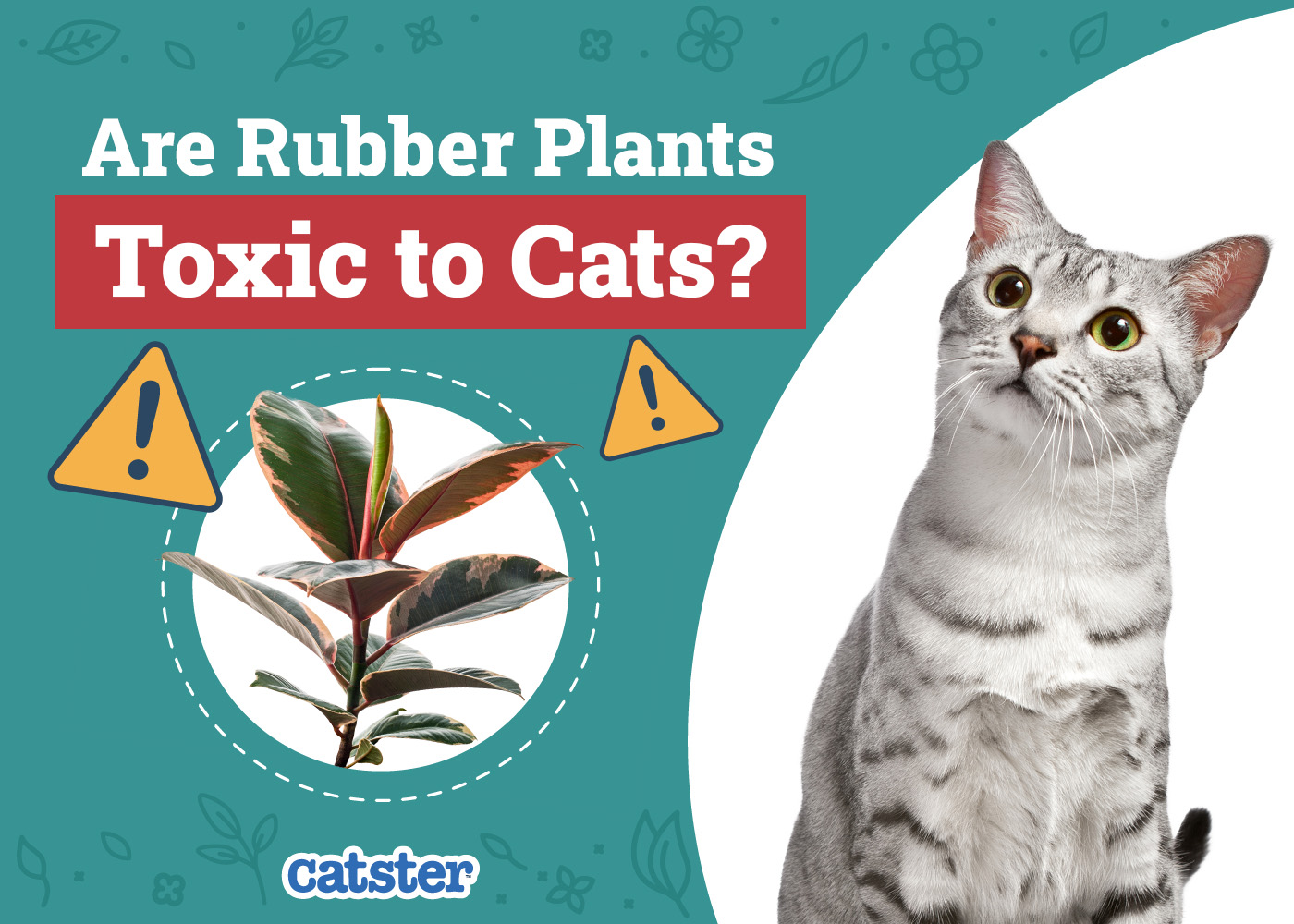
Are Rubber Plants Toxic to Cats? Vet-Reviewed Houseplants Examined  

Share

Catster_Are Rubber Plants Toxic to Cats

The American rubber plant (Peperomia obtusifolia) is native to South America. However, it will flourish indoors with proper humidity and adequate sunlight. This plant is also called a baby rubber plant and a pepper face plant.

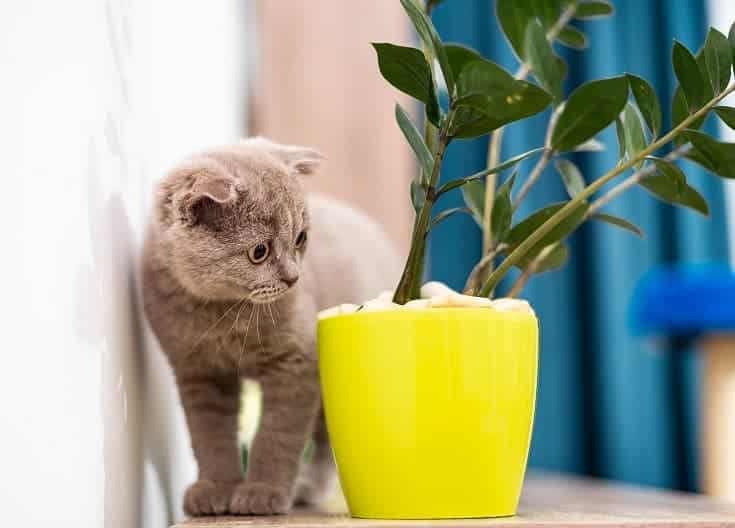
Your cat may take an interest in your rubber plant for many reasons. It’s probably fun to swat at the leaves, or maybe the plant is “in the way” and taking up your cat’s favorite sunny windowsill! You may panic if you notice some teeth marks on your rubber plant, but rest assured, the species is not toxic to felines.

divider 3 paws

What Happens if a Cat Eats a Rubber Plant?

An American rubber plant is not poisonous to cats (or dogs). However, your kitty may have an upset stomach after eating this plant. Some cats have sensitive stomachs and will vomit after eating anything unfamiliar. Felines are also obligate carnivores, and their digestive systems are designed to eat meat, not whole plants.

You needn’t worry if your cat throws up once or twice and then resumes its regular eating habits. Short-lived diarrhea that clears up on its own is not a cause for concern, either.

Although the American rubber plant is not a poisonous species, a plant with a similar name, the Indian rubber plant (Ficus benjamina), is toxic to cats. This plant is also called a fig or weeping fig. Call your vet immediately if your cat eats an Indian rubber plant.

My Cat Ate a Rubber Plant: When to Call a Vet

If your cat eats an American rubber plant or another non-toxic houseplant, you’ll want to keep an eye on them for a while. Try to keep them in a secure area or small room for observation. Contact your vet or head to the nearest animal hospital if your cat:

  • Vomits repeatedly
  • Refuses to eat or drink anything at their next mealtime
  • Acts lethargic or weak
  • Has uncontrolled diarrhea
  • Ate a plant that you can’t identify

Don’t hesitate to call your vet whenever you’re concerned about your cat’s well-being.

dedicated plant room to keep away from cats
Image Credit: Unsplash

How to Keep Your Cat Safe From Houseplants

As long as you have non-toxic plants in your home, it’s difficult to tell who is in danger: your kitty or the plants! Cats and greenery can coexist, but you may need to make a few adjustments.

Try hanging baskets from the ceiling, and ensure the surrounding area is free of furniture, as it’s easy to underestimate how far cats can jump. You can also keep smaller plants inside of a terrarium.

Lastly, your cat may play with your houseplants out of boredom. It might be time for some new toys or treats. A tired, stimulated cat is rarely mischievous!

divider 3 paws

Final Thoughts

The American rubber plant is not poisonous to cats, but another similarly named plant, the Indian rubber plant, is toxic to cats. However, your kitty may vomit or have diarrhea after snacking on an American rubber plant. This GI irritation should pass quickly and clear up on its own. Contact your veterinarian if your cat’s signs don’t clear up or if you can’t identify the houseplant your cat ate.

See also:


Featured Image Credit: Unsplash

Want content like this delivered to you?

Sign Up For Our Newsletter

News, insights, expert advice, and everything cat

* By submitting, you agree to our Terms & Conditions and Privacy & Cookies Policy.


How useful was this post?

Click on a star to rate (you can leave written feedback after clicking submit)

Help us improve Catster for pet parents!

Your feedback really matters.

What did you like about this post? Also how can we improve it?

Join the conversation

Leave a Reply

You’re very welcome to leave a comment or question. Please know that all comments must meet our community guidelines, and your email address will NOT be published. Let’s have a positive and constructive conversation.


Catster's Digital Magazine is Back!

Vet-approved health & behavior advice

Real cat stories & community features

When a Cat Becomes a Water Fountain – Why Cats Vomit After Drinking

Seeing a cat drink water and then promptly bring it back up can be confusing. Sometimes the explanation is fairly simple, particularly if...

Chatting About Sleeping Positions, Loafing & Cats in Tubes | Chatty Cattys, Episode 33

In this episode of Catster’s Chatty Cattys podcast, Dr. Karyn and Nicole dive deep into the fascinating world of feline sleep behaviors. From...

The Bite Stuff: The Truth Behind a Cat’s Sudden Nip

A cat bite that seems to come out of nowhere is one of the more confusing things a cat owner deals with. Everything...

Your Cat’s Purr Proves They’re One of a Kind

There are few sounds more comforting to a cat parent than the familiar rumble of a purring cat. You probably know your own...

More related

Why Does My Cat Keep Licking Their Lips? 5 Vet Reviewed Reasons

Cat’s licking their lips can be a very common behavior, but now every time you look over they seem to be doing it....

Is String of Pearls Toxic to Cats? Vet-Verified Toxicity & Safety

Plants are a popular decoration for adding a little nature to your home. Especially with more people than ever working from home, adding...

Can Cats Eat Chia Grass? Vet-Reviewed Nutritional Information & Facts

It is natural and instinctive behavior for cats to eat grass, and it has many benefits for your feline. Some of the claimed...

Scientists Finally Know Why Ginger Cats Are Orange: Genetic Mysteries Unlocked

Part of the beauty of cats is their amazing range of coat colors and patterns. Visit your local cat rescue, and you’re likely...

Keep reading

Holiday Foods That Are Safe for Cats: Vet-Reviewed Safety & Nutrition Facts

Disclaimer: Check with a veterinarian before adding any new foods to your cat’s diet, particularly if your pet has any underlying health conditions or is on a special diet. While the advice in this article has been fact checked and...

tabby cat eating on metal bowl

Are Roses Toxic to Cats? Vet-Verified Facts, Risks & Safety Tips

With Valentine’s Day coming up soon, you may be worried about using rose petals or buying the romantic flower for a loved one around your cat. Luckily, roses are not toxic to cats, meaning that you should not worry about...

Catster_Are Roses Toxic to Cats

Why Does My Cat Keep Meowing and Rubbing Against Everything? 6 Vet-Reviewed Reasons

If you have ever noticed a cat’s affectionate side, you may have seen their tendency to rub their faces on their owners or against their favorite objects. Or you notice a cat who raises their backside when they pass by...

grey cat rubbing againts its owners leg

Cat Preventive Care for Good Health & Longevity: 8 Fundamental Pillars

There is an aspect of veterinary medicine that is called preventive care; meaning preventing health problems through proactive measures. Preventative care means better health outcomes and a happy, comfortable cat. This guide will cover the importance of preventive care in...

cat being observed by a female veterinarian

Why Do Cats Like Treats So Much? Vet-Reviewed Reasons

It’s no secret that cats love treats, although the preference for taste and texture varies between individual cats. Is there a reason that cats love treats so much, though? Why do they love treats more than their food? In the...

himalayan cat eating treat

Can Cats Eat Lemon? Vet-Verified Facts & FAQ

If your cat gets into the fruit bowl, you may wonder what you should do. Can cats have lemons, or are they unhealthy for your furry friends? Unfortunately, lemons are considered toxic to cats. You’ll want to keep them out...

Can Cats Eat Lemon

How Do I Help My Cat With Arthritis? 10 Vet-Approved Home Care Tips

Cats, particularly older ones, can suffer from arthritis. Technically known as osteoarthritis (OA), the condition involves progressive joint inflammation and degeneration, which is influenced by many factors. The resulting pain often reduces mobility and negatively impacts cats’ quality of life....

cat with arthritis

Can Cats Eat Yogurt? Vet-Reviewed Nutrition Facts & FAQ

For many, thinking of cats brings up images of them lapping up a saucer of milk. While it’s safe for kittens to have their mother’s milk, older cats are lactose-intolerant, so giving them milk or yogurt could result in a...

Can Cats Eat Yogurt

Love Cats? So Do We! Join the Catster Community

Stay informed with expert pet care insights delivered straight to your inbox! Discover professional guidance on animal behavior, feeding tips, trusted product picks, and much more.


Sign up for the Catster Email Newsletter

Stay informed with expert pet care insights delivered straight to your inbox! Discover professional guidance on animal behavior, feeding tips, trusted product picks, and much more.