Catster is reader-supported. When you buy via links on our site, we may earn an affiliate commission at no cost to you. Learn more.

Cat Health & Care

Are Poppies Toxic To Cats? Vet Approved Facts & FAQ

By Christian Adams · Reviewed & fact-checked by Dr. Lorna WhittemoreVet Approved
Dr. Lorna Whittemore
Reviewed & Fact-Checked byDr. Lorna WhittemoreMRCVS (Veterinarian)
Lorna is a vet based in Cape Town, South Africa. originally from Scotland. Lorna loves to travel and has lived, studied, and worked on three continents. Lorna has 20 years of experience in small animal medicine and surgery, both in the charity and private sector, plus a further qualification in feline medicine.View authorThe information is current and up-to-date in accordance with the latest veterinarian research. Read about our vets
Share
Catster_Are Poppies Toxic to Cats

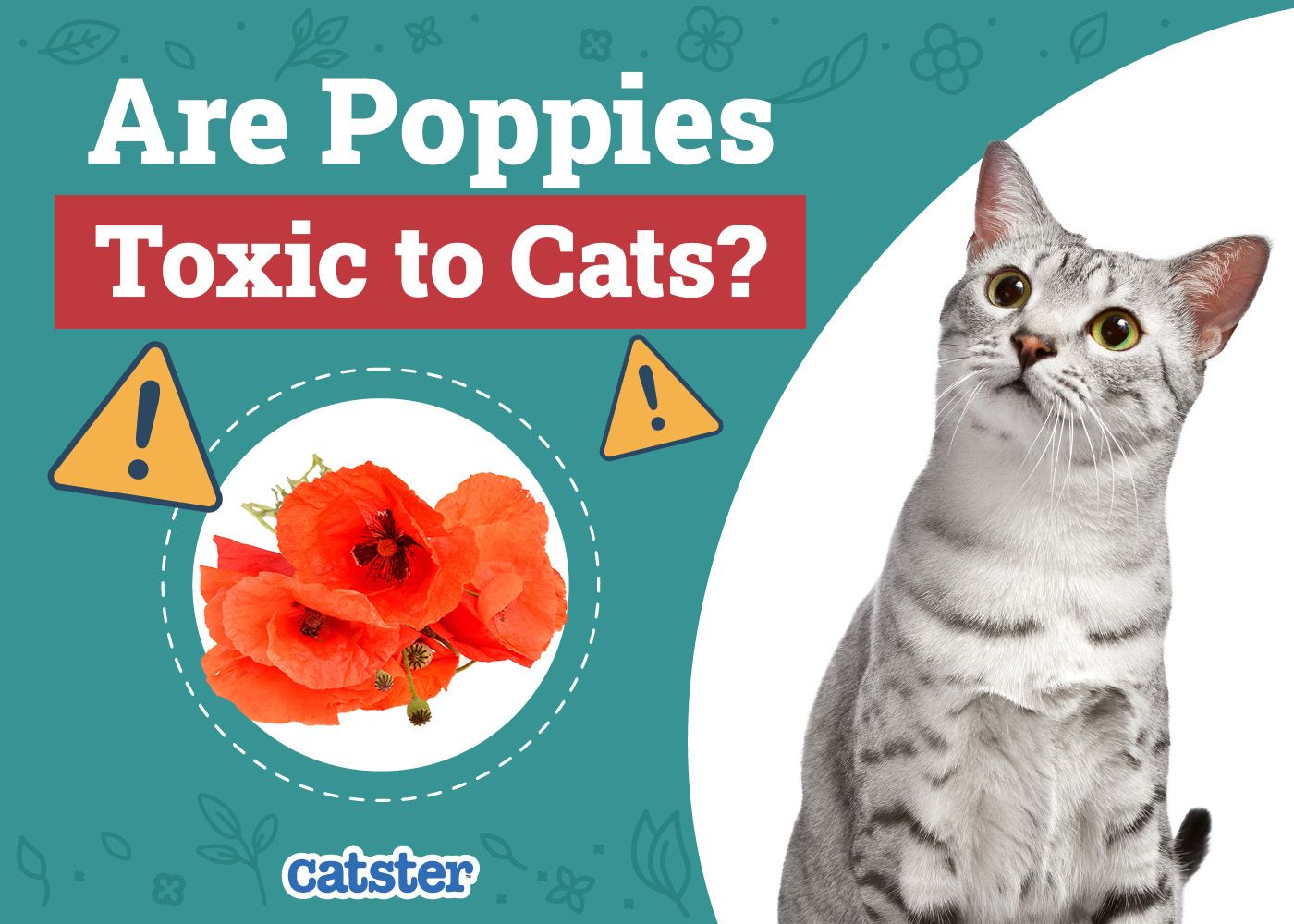
Cats are intelligent creatures that usually avoid things that can hurt them. However, sometimes curiosity gets the best of them, and if your cat decides to eat some plants, including poppies, they can harm them.

Poppies are used to make opiates (including opium and heroin), and they are very dangerous for cats. All parts of the poppy, including the stem, leaves, seeds, and flowers, can cause health issues.

No studies could be found on the toxicity in cats through accidental ingestion, but it is extrapolated from information on the effect on dogs and other animals. It is assumed that ingestion of large amounts of poppy would be toxic to cats.

divider cat faces 2 oct 2024

What Are Poppies and How Can They Affect Cats?

There are 70 species of poppy growing in temperate climates such as Europe and North America. Poppies contain opioid and alkaloid compounds such as isoquinoline and phenanthrene.

This can cause nervous system health signs such as:

  • Vomiting
  • Pupil dilation
  • Salivation
  • Collapse
  • Lack of coordination
  • Problems walking
  • Coma

These compounds are usually found in all parts of the poppy but are more concentrated in the milky "sap" found around poppy seed pods. However, your cat would likely have to ingest several poppies to cause a significant illness, and cats are generally unlikely to eat enough to cause harm. In addition, vomiting is usually one of the first signs that help remove toxins from the digestive system.

They are quite good at avoiding toxic plants, but be vigilant and avoid poppies in your home and garden, as even the seeds can cause poisoning. Seek advice from your veterinarian if your cat eats poppies, including the seeds, as signs can come on rapidly, and each cat may react differently.

Orange cat drooling
Image by: Ling_Chen, Shutterstock

How Can I Tell if My Cat Has Eaten a Poppy?

One of the first things to look for is part of the plant in your cat's vomit. Most of the time, your cat will vomit to begin trying to clear the toxins from their system; this might be distressing for you, but looking through their vomit for any signs of the plant, including the stem, flower, or leaves, can help identify which species your cat might have eaten.

Looking for the signs of poppy toxicity, such as vomiting, lethargy, or coordination problems, can also help, particularly if you have poppies in the garden or have noticed your cats around them.

When in doubt, take a picture of your garden and take your cat to the vet. The photo can be useful to your vet if you are unsure.

What Is the Most Toxic Flower to Cats?

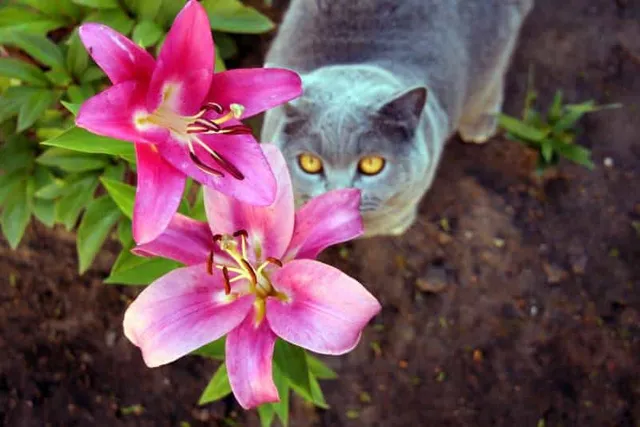
Lilies are usually considered the most toxic plant to cats. Even the pollen of a lily plant on a cat's fur can be lethal after they lick it off. The petals, stamen, pollen, leaves, and stems can all cause rapid kidney failure if ingested, which can be fatal even with prompt veterinarian treatment.

Even lapping at the water a lily has been in can be toxic, so it's better to never have lilies in the house or the garden and thoroughly wash your hands and clothes after contact with lilies.

Image by: Anne M Vallone, Shutterstock

The signs of Lily toxicity in cats include:

The ASPCA and petpoisonhelpline.com have useful information on many toxic plants that can be found in and around your home.

You might not always notice right away if your cat has consumed something they shouldn't have. It is important to watch your cat’s behavior afterward to see if they are showing any symptoms of irritability or poisoning.

divider cat faces 2 oct 2024

Final thoughts

Poppies have been used to produce opiates such as morphine for thousands of years and have been instrumental in combating pain in animals and humans. Ingesting poppies, however, can be lethal for many animals, including cats and people.

Their toxicity can have different effects depending on the type of poppy eaten, what part of the poppy was ingested, and how much. If your cat shows any signs of poppy toxicity or you notice they've eaten a poppy, take them to the vet's, as it's much better to be safe than sorry.

Sources
The Catster Newsletter

Expert cat care, straight to your inbox

News, insights, and useful advice, delivered to you.

No spam — unsubscribe anytime.

By signing up, you agree to our Terms & Conditions and Privacy & Cookies Policy.

Click a star to rate. You can leave written feedback afterwards. (We read all feedback.)

Christian Adams
Authored by

Christian Adams

Leave a Reply

You're very welcome to leave a comment or question. Please know that all comments must meet our community guidelines, and your email address will NOT be published. Let's have a positive and constructive conversation.

Can Cats Eat Poppy Seeds? Vet-Reviewed Risks & Precautions

Can Cats Eat Poppy Seeds? Vet-Reviewed Risks & Precautions

While cats can be finicky eaters, sometimes they surprise us and gobble up things that aren’t a typical part of their diet. For instance, they might snack on a…

Rachael Gerkensmeyer
By Rachael Gerkensmeyer ·
Are Tulips Toxic to Cats? Vet-Reviewed Safety Information

Are Tulips Toxic to Cats? Vet-Reviewed Safety Information

Tulips are beautiful flowers, so there is no question why they are so popular. They are common inside and outside. Many cut flower bouquets include tulips, for…

Kristin Hitchcock
By Kristin Hitchcock ·
My Cat Ate a Lily: Is It Dangerous? Vet Reviewed Signs & Treatments

My Cat Ate a Lily: Is It Dangerous? Vet Reviewed Signs & Treatments

Lilies are beautiful and fragrant flowers, seen in plenty of vases, bouquets, gardens, and displays around the world. Behind their beauty and grandeur, however…

Annaliese Morgan
By Annaliese Morgan ·
What Flowers Are Dangerous to Cats? 7 Vet-Verfied Threatening Plants

What Flowers Are Dangerous to Cats? 7 Vet-Verfied Threatening Plants

Whether celebrating a special occasion or just looking to brighten up your kitchen table, a lovely bouquet is an easy choice. However, if you’re a cat owner or…

Elizabeth Gray
By Elizabeth Gray ·

Outdoor Plants That Are Toxic to Cats: 10 to Avoid (Vet-Reviewed)

Cats are curious creatures and will often show interest in plants, grasses, trees, and dangling leaves. However, it’s important to be informed on this topic of…

Annaliese Morgan
By Annaliese Morgan ·
Outdoor Plants That Are Toxic to Cats: 10 to Avoid (Vet-Reviewed)

Are Peonies Poisonous to Cats? Vet-Verified Risks & Safety Tips

Peonies have vibrant pink flowers and are popular plants, but pet owners have to consider more than just a plant's beauty. Unfortunately, peonies are toxic to…

Patricia Dickson
By Patricia Dickson ·
Are Peonies Poisonous to Cats? Vet-Verified Risks & Safety Tips

Is the Buttercup Toxic to Cats? Vet-Approved Facts & FAQ

The buttercup plant (Ranunculus acris), also known as butter cress or figwort, is a member of the Ranunculaceae family (that's a mouthful!). It's a common yell…

Christian Adams
By Christian Adams ·
Is the Buttercup Toxic to Cats? Vet-Approved Facts & FAQ

Can Cats Eat Daffodils? Vet-Approved Facts & FAQ

Since they're a carnivore, a cat having a fascination with plants can be baffling to their owner. While eating some plants may not result in any side effects o…

Kit Copson
By Kit Copson ·
Can Cats Eat Daffodils? Vet-Approved Facts & FAQ

Are Morning Glories Toxic to Cats? Vet-Reviewed Houseplants Examined

With its trumpet-shaped flowers, showy leaves, and appealing fragrance, it’s no wonder that the morning glory plant is so popular among gardeners and flower lo…

Patricia Dickson
By Patricia Dickson ·
Are Morning Glories Toxic to Cats? Vet-Reviewed Houseplants Examined

Is Gladiolus Poisonous to Cats? Vet Reviewed Advice

Also known as the “sword lily”, gladiolus is a popular garden flowering plant, though it can adapt to life as a houseplant. If you’re a fan of these elegant, c…

Kit Copson
By Kit Copson ·
Is Gladiolus Poisonous to Cats? Vet Reviewed Advice

Are Carnations Toxic To Cats? Vet-Reviewed Health & Toxicity Explanation

Is there anything as lovely as having a fresh-cut flower display in your home? The bright colors and beautiful blooms of flowers like carnations can increase t…

Chantelle Fowler
By Chantelle Fowler ·
Are Carnations Toxic To Cats? Vet-Reviewed Health & Toxicity Explanation

Are Lilies Toxic to Cats? Vet-Verified Facts & Safety Tips

Renowned for their large trumpet-like dazzling flowers and a robust scent, lilies are elegant and strikingly beautiful - a delightful addition to a household,…

Christian Adams
By Christian Adams ·
Are Lilies Toxic to Cats? Vet-Verified Facts & Safety Tips

Love Cats? So Do We! Join the Catster Community

Stay informed with expert cat care insights delivered straight to your inbox! Discover professional guidance on feline behavior, feeding tips, trusted product picks, and much more.

You may opt-out at any time. View our Privacy Policy for more information.

The Catster site on a phone