Are Begonias Poisonous to Cats? Vet-Verified Facts, Risks & Safety Guide


In this article
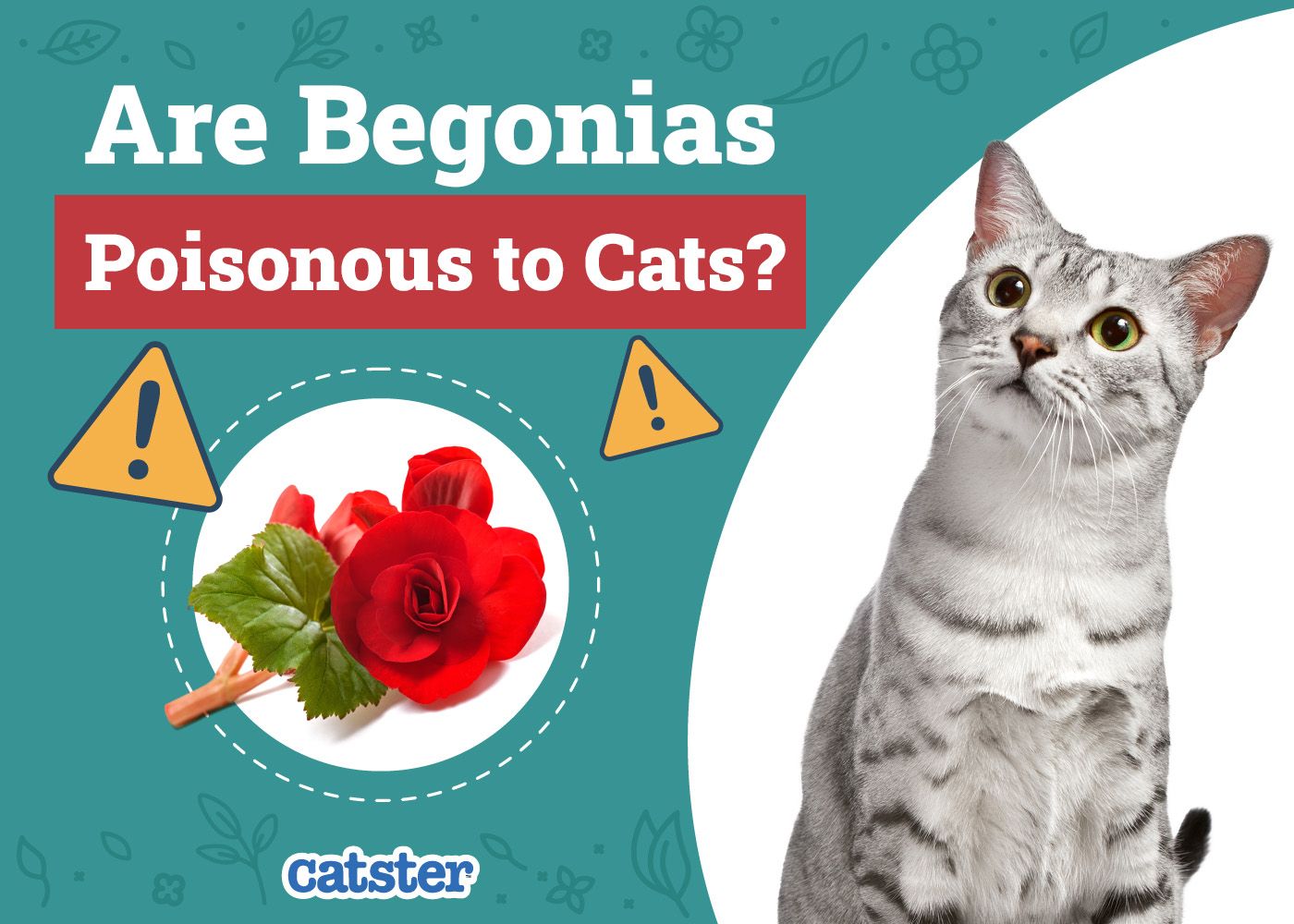
Begonias are flowering plants that many homeowners grow in their flowerbeds and in large pots due to their colorful blooms. If you’re a cat owner who loves begonia plants, you should know that begonias are poisonous to cats if consumed.

What Begonia Poisoning Looks Like in Cats
The good news is that begonia poisoning is not usually life-threatening. However, if your cat nibbles on some begonias and has any of the symptoms below, contact your veterinarian right away.
- Excessive salivation
- Redness around the mouth or oral sores
- Excessive licking of the lips
- Vomiting
- Difficulty swallowing
- Disinterest in food and water
There is a toxic substance in begonia plants called oxalate that breaks down into oxalic acid when ingested. The roots of the begonia plant contain the highest amount of oxalate, which means your cat may not get sick if they eat a few leaves or flowers.
If your cat consumes some begonia roots, they will likely salivate a lot and vomit to get rid of the irritating substance. If the toxin makes its way into your cat’s bloodstream, it can then go to the liver and cause serious illness and liver failure.
If you are concerned about the health and well-being of your pet, seek veterinary advice for the best course of action.

What to Expect From the Vet
If you take your cat to the veterinarian for treatment of begonia poisoning, your vet will perform a physical examination and run some blood tests.
In most cases, begonia poisoning in cats is relatively mild and clears in about 2 days. Your vet may recommend giving your cat a mild diet for a few days to ensure any irritation or swelling of the animal’s throat or digestive system is gone.
If your cat has refused water, they may also treat them for dehydration, which involves injecting fluids into your cat’s body so the organs continue working as they should. This is usually done through a needle that goes directly into the cat’s veins.

Other Common Houseplants Poisonous to Cats
As natural carnivores, cats mainly eat meat. They’re not attracted to plants, although they do love cat grass and catnip. As curious creatures, cats will nibble on houseplants now and then.
If your cat enjoys chewing on plants, it’s a good idea to steer clear of keeping plants in your home that can be toxic if consumed. The following common houseplants are toxic to cats.
Mums

Mums, or chrysanthemums, are mildly poisonous to cats. These plants with vibrant flowers contain a substance called pyrethrin that can cause a loss of appetite, diarrhea, and vomiting if ingested.
Hyacinths

The gorgeous and fragrant hyacinth plant produces purple, pink, white, yellow, blue, red, and lavender flowers that can be toxic to cats if ingested or inhaled. Signs of hyacinth poisoning to watch for include lethargy, decreased appetite, vomiting, diarrhea, tremors, and breathing difficulties.
Hydrangeas

The popular hydrangea plant is sold at many flower and grocery stores and produces large, pretty flowers in a variety of colors. This is another poisonous plant to cats that contains toxins in its flowers and leaves. Symptoms to watch for include lethargy, exhaustion, diarrhea, and vomiting.
Irises

The stunning iris plant is a popular plant that grows flowers in a plethora of colors. All parts of this plant can cause issues for a cat that consumes it.
The symptoms of iris poisoning can vary, depending on how much of the plant your cat has consumed. Even though the symptoms are not life-threatening, they can be uncomfortable for your cat to endure. Signs to watch for include nausea, vomiting, diarrhea, skin irritation, and mouth ulcers.
Lily of the Valley

You wouldn’t think the dainty and petite lily of the valley plant is poisonous to cats, but it is. All parts of this perennial are poisonous, including the bulb, roots, stems, leaves, and flowers. Every part contains toxins that can irritate a cat’s gastrointestinal tract and disrupt the normal activity of the heart.
If your cat eats a lot of this plant, they can get diarrhea, vomiting, have blood in their stool, and suffer from abdominal pain.
Bird of Paradise

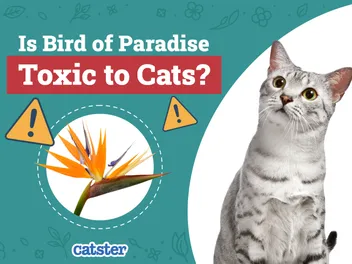
The stunning and exotic-looking bird of paradise plant is mildly toxic to cats. If you have some of these plants at home, try to keep your cat away from them. If your cat does eat some of the plant’s flowers or seeds, they could develop labored breathing, digestive issues, and eye discharge.

Tips for Keeping Your Cat Safe
If you have some toxic plants in your house with your cat, you have a few choices for keeping them safe. The most obvious solution would be to get rid of the toxic plants. However, if you want to keep a plant around that isn’t terribly toxic, like the bird of paradise plant, sprinkle some cayenne pepper around the leaves to deter them.
Another way to keep your cat away from your plants is to use cat-repellent spray. Just spray some of this product onto the plant’s pot or the tabletop it sits on, and your cat will stay away.
Since cats don’t like the smell of citrus, you can deter them by placing orange and lemon peels in your pots. Another great idea is to cover the soil with some stones, so your cat isn’t tempted to dig.
If you have several plants you want to keep away from your cat, put the plants in a room and shut the door to keep your cat out. A sunroom would be perfect for this, but a sunny bedroom or bathroom will work too.
You can grow some cat grass to provide your cat with a plant of his own. If you choose to do this, be sure to place the containers of cat grass away from your houseplants so that your cat isn’t tempted to bother them.

Conclusion
Even though cats are carnivores that eat mostly meat, they do enjoy nibbling on plants from time to time. Begonias are poisonous to cats, as are several other common houseplants.
The best way to keep your cat safe is to get rid of any poisonous plants you have around the house. Otherwise, make it difficult for your cat to get near those plants by using a cat deterrent spray, citrus peels, or another proven method for deterring cats.
Sources
Featured Image Credit: _Alicja_, Pixabay
Expert cat care, straight to your inbox
News, insights, and useful advice, delivered to you.

No spam — unsubscribe anytime.
By signing up, you agree to our Terms & Conditions and Privacy & Cookies Policy.
How useful was this post?
Click a star to rate. You can leave written feedback afterwards. (We read all feedback.)
Christian started writing for a local newspaper as a teenager, and he's been involved in the publishing industry for most of his adult life. Combining his love of writing with a passion for animals, he is currently the Director of Editorial at Pangolia and the Editor-in-Chief at Catster.
Christian lives in the Philippines with his wife, son, and four rescue cats: Trixie, Chloe, Sparky, and Chopper.