Cats are lovely creatures, but with all that amazing feline love and companionship come a few responsibilities, such as feeding them, playing with them, and keeping your house clean. Cats are generally pretty fastidious and groom themselves multiple times daily. However, they can also create quite a mess in your home.
Cat hair and litter need to be dealt with regularly, but cats also knock things over, spray, poop outside of the litter box, and pee on carpets occasionally. Keep reading for seven tips on how to keep a house clean with a cat.

The 7 Tips on How to Keep Your House Clean With Cats
1. Deal With Accidents
Cats sometimes miss the litter box and vomit on carpets or sofas. Cleaning accidents as soon as possible after they happen can prevent stains and smells from setting in. There are special products available that are designed to remove the smell of cat pee and keep cats from coming back to the same place to use the bathroom. Most cleaners work on both old and new stains and smells, and enzymatic formulas are best for preventing subsequent incidents in the same spot.
Our Favorite Enzyme Cleaner The Hepper Advanced Bio-Enzyme Pet Stain & Odor Eliminator Spray is our favorite all-purpose enzyme cleaner. It kills harmful bacteria and permanently removes even the worst kitty stains and smells, leaving your home fresh and clean! Click here to learn more about this amazing product and get yourself a bottle. At Catster, we’ve admired Hepper for many years and decided to take a controlling ownership interest so that we could benefit from the outstanding products of this cool cat company!
Image
Product
Details
Best Enzyme Spray


Hepper Advanced Bio-Enzyme Pet Stain & Odor Eliminator Spray
Check Price
2. Brush Your Cat
Regularly brushing your cat has a few benefits to keeping your house clean. It reduces the amount of pet hair drifting around your home, and it can also decrease the amount of pet dander that makes it into your environment, which can play a role in minimizing some allergy signs in people who are allergic to cats.
Shorthair cats usually need to be brushed about once or twice a week, while cats with longhair often require grooming attention more regularly. Grooming is also a fun bonding activity that many, but not all, cats enjoy. For cats that don’t enjoy it, a few treats and a bit of patience can help them grow accustomed to it.
If you are looking for recommendations on the best cat brush, you should check out Hepper Cat Brush. You will hardly find different brush with so many pros - easy to clean, easy to use, durable and effective. Simply everything you need from a cat brush. Click here to order yours today.
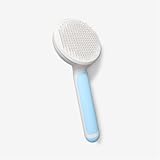
- ONE PUSH RELEASE - This kitten brush / cat brush pops out fur with just a simple press, leaving you...
- DURABLE - Cat shedding can be a tough ordeal. Made of resilient ABS plastic and metal bristles with...
- COMFORTABLE - A cat fur brush with 60 degree angled, fine bristles and rubber stoppers will bring...
3. Vacuum Thoroughly
Vacuuming regularly, before pet hair and dander really accumulate, can also help keep your home clean. Carpets, upholstered furniture, and pet beds all need regular attention to stay clean. Vacuuming hardwood floors is also important.
Vacuums with HEPA filters are great at keeping pet dander to a minimum, which can be good news for allergy sufferers. It’s relatively easy to find affordable options with HEPA filters and special attachments to pick up pet fur. To keep your home nice and clean, plan to spend at least a few days a week giving your vacuum a workout.

4. Minimize Litter Tracking and Smells
Cats often track litter all over the house, and little bits can often even be found under sofa cushions. Using a brand of litter that doesn’t track as much may help. Litter boxes with tops can reduce the litter cats kick out when digging.
Some mats are designed to collect litter as cats walk over them. Consider keeping a mini dustpan and brush close to your pet’s litter box to make it easy to clean up without having to dig out the full-sized vacuum cleaner. Deodorizing products can be added to litter to absorb pungent odors.
Even the best cat litter can quickly start smelling bad. To avoid the expense and inconvenience of constantly replacing your litter, you can try a great litter additive like Hepper's Advanced Bio-Enzyme Cat Litter Deodorizer, a natural product that uses bio-enzymes to neutralize odors.

- Bio Enzymatic Cat Litter Freshener - Smart formulation uses natural ingredients eliminating cat...
- Save Money - Stuff for cats isn’t the cheapest. With this litter box odor eliminator, you’ll...
- Every Litter, Every Surface - Are you afraid this additive won’t work on your litter? Fear not!...
This deodorizer works on all types of litter and won't disrupt your cat's litter box habits.
At Catster, we’ve admired Hepper for many years and decided to take a controlling ownership interest so that we could benefit from the outstanding designs of this cool cat company!
5. Minimize Dust
Using a wet cloth to dust can pick up some pet fur and dander that accumulates on hard surfaces like tables and bookcases. Wet dusting cleans the surface without kicking up and spreading particles.
Wet mopping can also be used to keep hardwood floors clean. Microfiber cloths do a nice job of gathering dust efficiently, particularly when wet. Face masks can make cleaning easier for those sensitive to dust.
6. Clean Counters and Food Bowls Regularly
Cats can carry germs on their paws, and even the best-behaved pets sometimes jump on counters, which can leave dirt and bacteria behind. That makes regularly cleaning countertops a priority, particularly before preparing food.
Pet food bowls can harbor bacteria if not regularly cleaned with hot, soapy water. You should remove any wet food your cat hasn’t eaten within a few hours of their mealtime and clean the bowl thoroughly. Stainless steel and ceramic bowls are often easy to keep clean and free of smells.

7. Boost Your Laundry Game
Regularly washing pet bedding can reduce smells, pet hair, and dander. It’s also critical for allergy management and keeping fleas under control. Many pet beds have easily removable covers that you can throw in the washing machine, but you can also put a folded towel over your cat’s bed, which you can shake out and simply throw in the laundry.
If you allow your cat to snuggle with you in bed, consider washing your pillows and comforter regularly to get rid of bacteria and pet hair. For set in sprays, use your enzyme cleaner on affected areas and allow to soak before tossing it in the wash.

At Catster, we’ve admired Hepper for many years and decided to take a controlling ownership interest so that we could benefit from the outstanding products of this cool cat company!
In Conclusion
Keeping your house clean with a cat at home isn’t complicated. The key is to maintain a schedule with regular vacuuming, cleaning, and laundering and to be ready to spring into action with the right products if your cat has an accident.
A vacuum is an essential tool for getting rid of cat fur and dander, but cleaning countertops and other surfaces that your cat frequents will also prevent the spread of harmful bacteria on your cat’s paws. Cleaning your home frequently will keep your cat and family healthy and happy.
See also:
- What Cleaning Products Are Safe for Cats? Items to Keep in Your Cupboard
- Best Handheld Vacuums for Cat Hair – Reviews & Top Picks
Featured Image Credit: Svetlana Rey, Shutterstock
 The 7 Tips on How to Keep Your House Clean With Cats