Manx Cat Breed: Info, Pictures, Temperament & Traits
In this article
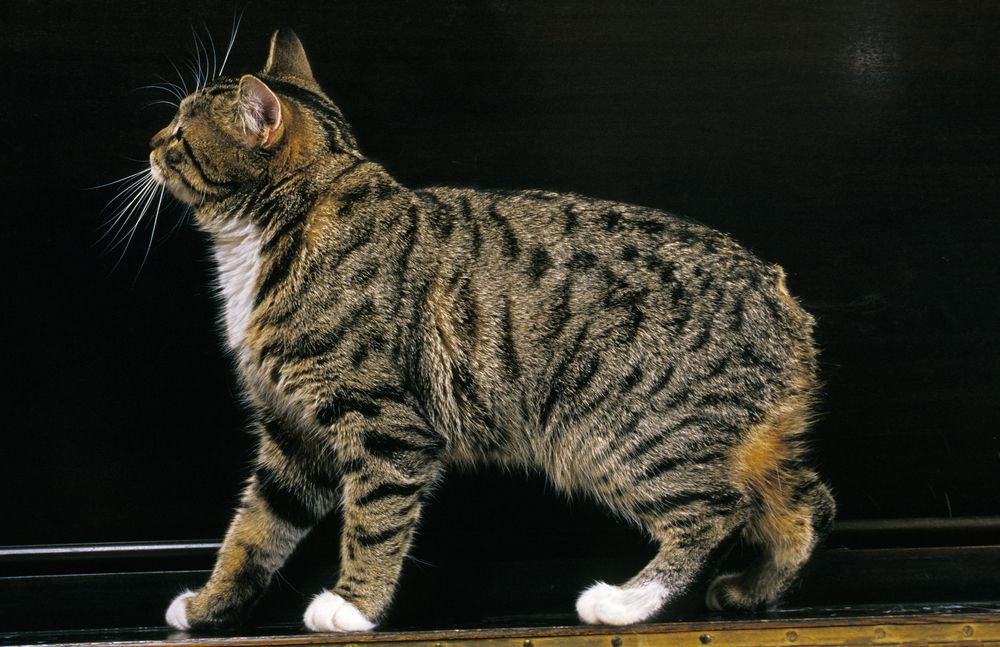
Hailing from the Isle of Man in the Irish Sea, the Manx is a rare cat you’ll never forget. Their coat may not be unique, but the missing tail will be sure to turn heads and leave one wondering how these incomplete cats came to be. Yet, while they've gained recognition for their unique build, these magnificent kitties have even more captivating personalities. Let’s find out what makes these kitties so beloved in this look at the Manx breed’s temperament and traits.
Breed Overview
Height:
Weight:
Lifespan:
Colors:
Suitable for:
Temperament:
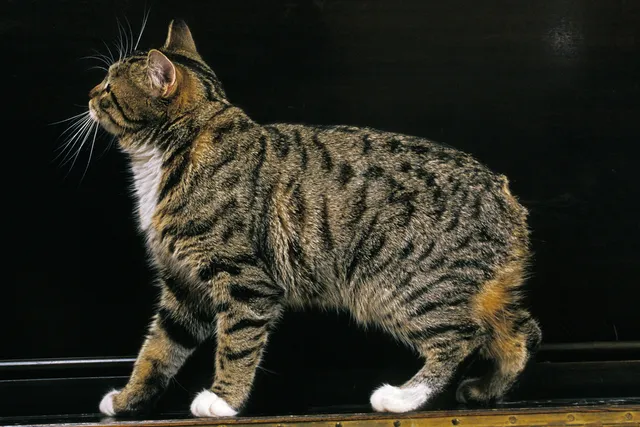
The Manx cat has been around for centuries, arising due to a genetic mutation causing them to be tailless. They are closely related to the British Shorthair. Although their coat colors and sizes vary significantly, they have several defining features beyond the lacking tail.
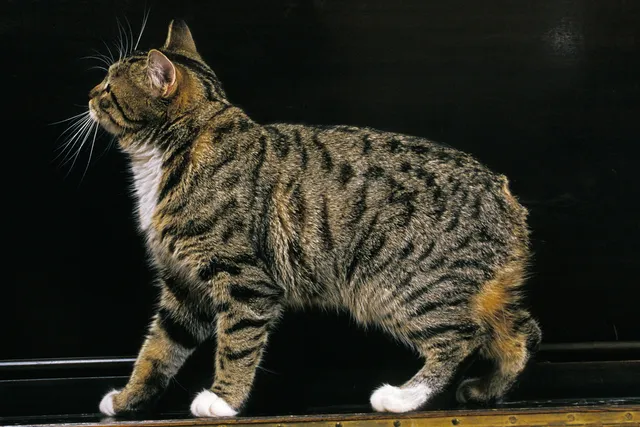
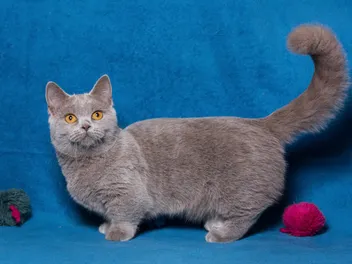
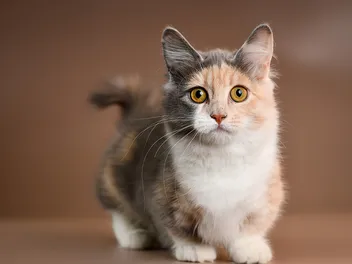
Across their entire bodies, Manx are round cats. Their round heads feature circular eyes and blunt-tipped ears, and their globe-like bodies bear an almost bunny-like shape at rest. With slightly longer hind legs, they are also one of the best jumpers, pound-for-pound, among domestic cats.
Records of Manx cats date to the 1700s. Initially, their hunting prowess benefited farmers trying to control rodents, but they became valued as business mascots and family companions over time. The Manx was one of the first show cats and a founding breed of the CFA when it was established in 1906.
Manx Cat Characteristics

Manx Breed Kittens

A handful of Manx cat breeders have an online presence alongside rescue organizations and shelters with homeless cats for a fraction of breeder prices. Manx cats also have a particular following from animal advocates due to the health defects associated with their taillessness.
The Manx cat's lack of a tail is a genetic mutation. The gene variant “M” is an autosomal dominant trait, meaning either sex can be tailless, and only one parent must pass the dominant gene for it to appear. Taillessness also has a roughly 1-in-5 chance of coming with a spinal abnormality. The most common condition is spina bifida, which causes improper neural tube and vertebrae development.
Signs of spinal issues include:
Two copies of the dominant “M” gene are often lethal to embryos in the womb. Kittens with less severe abnormalities may not show signs for several weeks or months after birth. Many breeders allow select outcrossed breeds to reduce the chance of complications, while animal activists argue breeding them is an entirely unethical practice. These considerations are critical as you search for an adoptable Manx.

Temperament & Intelligence of the Manx Cat 🧠
The tail gets all the attention, but the Manx cat's personality is their best trait. Although they can sometimes be shy with strangers, they’re known for being outgoing and friendly. They like to stay active and close by, and many owners call them dog-like in their bond with humans.
Since they’re athletic and playful, Manx cats need appropriate enrichment devices around the house, particularly tall cat trees that satisfy their exceptional jumping ability. Manx are as intelligent as they are athletic. They are crafty hunters and may present you with animal carcass “gifts” if they can roam outside.
They’re also smart enough to learn tricks. At times, they are independent, but they can sometimes be a little too clever and end up in troubling situations, whether escaping the house or finding their way into places they shouldn’t.
Are These Cats Good for Families? 👪
Manx cats are excellent family pets due to their tolerance and even temper. You must still train your children to play safely with the cat, with the youngest having ongoing supervision, as these cats can be sensitive around their hind areas. There will rarely be issues with aggression.
Manx cats are loving and loyal to their family. Some will form unique attachments to one family member but still get along with everyone in the household. Despite their hunting background, they rarely become agitated enough to get aggressive.

Does This Breed Get Along With Other Pets? 🐶🐱
Manx cats are generally agreeable and can thrive with other pets, especially those that can help satisfy their activity needs. They get along well with cats and dogs, though early socialization and slow introductions to new pets should always be a priority to ensure a successful relationship and minimal stress. Their high prey drive can be problematic for smaller pets in the house, though you’ll need to exercise caution with any cat, regardless of breed.

Things to Know When Owning a Manx Cat
Food & Diet Requirements 🐡
As active cats, the Manx needs high-quality food to fuel them through the day and keep their muscles, joints, and coats healthy. Look for foods with all-natural ingredients focused on nutritious protein sources and healthy fats. You can feed them meals daily, dividing the amount according to your cat’s weight.
Manx should only eat food that is appropriate for their development stage. Consulting a veterinarian will ensure you follow a proper feeding routine while addressing any potential issues related to their shortened tail, such as constipation, through their diet.
- Our Recommendation: Best Cat Foods - Catster's Reviews & Top Picks
Exercise 🐈
Manx cats need at least 30 minutes of daily play and exercise to maintain a healthy weight. Tall cat trees and perches are ideal household features to let them flex their jumping prowess as desired, and they love to play fetch and play with their toys.
Since they’re intelligent and prone to boredom, they need plenty of enrichment activities to occupy their brains and redirect any scratching, chewing, and other undesirable actions.
Training 🧶
Training a Manx is a relatively straightforward and enjoyable activity that can build your bond and satisfy their mental exercise needs. Litter box training is rarely a challenge, and with patience, you can even leash-train them and teach commands, including sit, come, and lie down.
Finding a favorite treat, encouraging good behaviors, and setting boundaries with positive reinforcement from an early age will make the household dynamic as trouble-free as possible.

Grooming ✂️
The Manx may have a short coat, but the double layers of hair and fur ensure you’ll stay busy with grooming. They need daily brushing with a slicker brush to prevent mats and a bristle brush to remove loosened debris and distribute the cat’s natural oils across the coat. Vacuuming and brushing will be particularly crucial during the spring and fall shedding seasons when they release their undercoat.
Like most cats, the Manx need nail trimmings every 2–3 weeks or when the clickety-clack of claws on hard flooring becomes obvious. While Manx cats don’t have many unique ear or eye care needs other than regular checks and cleaning as needed, cats with incontinence issues may need extra help cleaning feces and urine around their rear areas to prevent infections.
- Our Recommendation: Best Cat Brushes - Catster's Reviews & Top Picks
Health and Conditions 🏥
The most apparent health problems in Manx relate to the shortened tail gene and its effect on the spinal column, a collection of issues called Manx syndrome. Fecal and urinary incontinence, mobility issues, and arthritis are more common in these cats. They may develop a megacolon, where the colon stretches and weakens from being unable to pass stool. Chronically constipated cats or those showing inexplicable weight loss or reduced appetite may have the condition, which vets can treat with medication or surgery.
Understanding this potential is crucial before adoption. Cats with Manx syndrome often need daily grooming around the rear, cat diapers, infection prevention, or unique diets, adding to extra care efforts that some newbie pet parents may not be ready to handle. Vetting your breeder is critical. Only adopt from reputable breeders providing comprehensive testing for their animals.
Male vs Female
As with most breeds, Manx are slightly taller and heavier than females, with anecdotal evidence suggesting somewhat different personalities. Many find males are more outgoing and affectionate than the independent females. Sex-related differences can decrease with spaying and neutering. More than anything, the household environment and attention from owners will determine the personality.
3 Little-Known Facts About the Manx Cat
1. Long-Haired Manx Are Called Cymrics
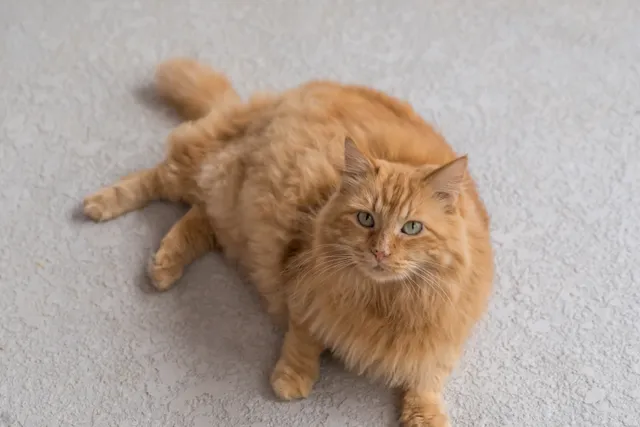
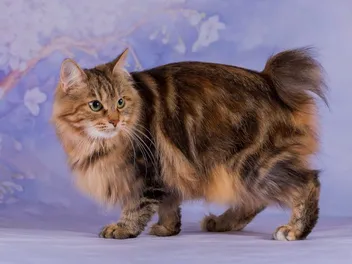
Although the Cat Fanciers’ Association doesn’t recognize the separate breed, the Cymric is a well-known and widely accepted Manx variant in many registries. The only difference is that the Cymric is a long-haired version with a medium-length coat. The CFA allows Cymrics to compete with other Manx, dividing the breed standard into short-haired and long-haired coats.
The long hair relates to a popular theory about the cat’s origins. Centuries ago, Viking sailors may have landed on the island, bringing Norwegian Forest cats that bred with local tailless felines. Such a pairing makes sense, considering the Cymric’s long coat and the Manx’s long hind legs, which is a trait they share with the Norwegian Forest cat.

2. Numerous Myths Surround the Manx Cat’s Past
We know now that the Manx’s missing tail is due to a mutation. In all likelihood, the cat originated on the Isle of Man. Still, the facts haven’t stopped the myth and folklore around the once-mysterious tailless feline. One legend says the Manx was running late to Noah’s Ark and severed their tail in the closing door. Another theorizes a shipwrecked cat from the Spanish Armada swam ashore and procreated with local cats. Others believe it was a rabbit-cat hybrid (“cabbit”), explaining the rounded body alongside the missing tail. And a more simplistic myth has it that any cat that even gets close to a Manx could pass taillessness on to their litter.
3. Not All Manx Are Tailless
The dominant “M” gene is incomplete, allowing for significant variability in the tail. Although the CFA allows only the slightest hint of a tail, many Manx have tails that are several inches long.
Each tail length even gives the cat an unofficial label, including:
Although the potential for Manx syndrome signs decreases as the tail lengthens, cats with tails can still have issues such as spina bifida. Kinked tails indicate spinal issues and may develop arthritic pain later in life, leading some to dock the tail early in life.

Final Thoughts
Tail or no tail, a Manx cat is a joy to have in the home. But purchasing and adoption require special care for your sake and the cat’s. Given the potential issues behind the missing tail and Manx syndrome, researching breeders and vetting for healthy cats is crucial. With an informed approach to adoption, you can enjoy all the benefits of these unique kitties while promoting responsible ownership.
See Also:
Sources
Featured Image Credit: slowmotiongli, Shutterstock
Expert cat care, straight to your inbox
News, insights, and useful advice, delivered to you.

No spam — unsubscribe anytime.
By signing up, you agree to our Terms & Conditions and Privacy & Cookies Policy.
How useful was this post?
Click a star to rate. You can leave written feedback afterwards. (We read all feedback.)

Christian started writing for a local newspaper as a teenager, and he's been involved in the publishing industry for most of his adult life. Combining his love of writing with a passion for animals, he is currently the Director of Editorial at Pangolia and the Editor-in-Chief at Catster.
Christian lives in the Philippines with his wife, son, and four rescue cats: Trixie, Chloe, Sparky, and Chopper.