Cat Temperature: Our Vet Explains What Is Too High, Low & How to Take It

In this article
You may feel regularly hot and cold throughout the day with minor fluctuations in your body’s temperature. Your cat is no different! You may notice that they move toward a sunbeam in the morning and choose a cooler, shady spot in the afternoon. These minor changes are completely normal. What’s not normal is a drastic temperature change that is not as fleeting.
A cat’s normal temperature is somewhere between 100.5℉ and 102.5℉. Anything higher or lower may be a concern. It can be hard to tell if your kitty’s temperature is abnormal, though, so taking it with a thermometer is the best way to check.

What Is the Normal Temp for a Cat?
Most cats are going to fall in that 100.5℉ and 102.5℉ range when they’re healthy and feeling good. Slight variations can take place based on their environment or their activity level. So, if your kitty just finished up with a case of the zoomies, their temperature may be on the high side or slightly above that normal range, or if they’ve just come inside from sitting in the snow (yes, some cats do like snow!), they may be a bit low. Both of these types of changes should be temporary, with their body returning to normal within just a few minutes.
What’s considered an abnormal temperature is a number that falls outside of the normal range and stays there. Hyperthermia is when a cat’s body temp is over the normal limits, such as with a fever or overexertion. Hypothermia is when their temp is below normal, which can happen with severe trauma, anesthesia, or exposure to very cold conditions.
Both can have serious consequences, so it’s important to know when your cat’s temperature is too high or too low. To find out how warm your kitty is, you’ll need to know how to take their temperature properly.
How to Take a Cat’s Temperature
Since your feline friend is covered in hair, feeling their forehead to assess their temperature isn’t going to work, so you’ll need to get out the thermometer. Similarly, forehead thermometers made for humans won’t work. You’ll need to use a rectal thermometer or an ear (aural) thermometer meant for cats.
How to Take a Cat’s Temperature With an Ear Thermometer
These are like human ear thermometers in that a long arm is inserted into the ear canal, with a temperature reading popping up fairly quickly. These may be easier to use and less gross than a rectal thermometer, but they may also not be as accurate. To get a proper reading, the tip of the thermometer must get as close to the eardrum as possible. Wax and other debris may also affect the reading.
To use, you must simply push the power button, insert the probe deep into the ear, and wait for the beep. Having someone hold your kitty’s head may help keep the probe where it needs to be to get the best reading.

How to Take a Cat’s Temperature With a Rectal Thermometer
The rectal thermometer has long been the method of choice for most vets, though that may change. Rectal thermometers may be digital or old school with a column of mercury that will need to be read. To use one of these, you’ll likely need a buddy to hold your kitty because they are not going to like it.
Position your cat so you have access to their rectum and they are comfortable, as this may take a few minutes. Mercury thermometers will need to be shaken so they read well below 100℉. Apply a bit of a lubricant, such as petroleum jelly, to the tip of either type of rectal thermometer, push the power button for digital thermometers, and insert the probe end into your cat’s rectum. You’ll only need to go in about an inch.
Digital rectal thermometers should beep and give you a number within a minute or so, while mercury thermometers will need to remain in place for 2–3 minutes. You can then remove the thermometer and read the numbers.

Aural or Rectal Thermometer: Which Is More Accurate?
The accuracy of taking your cat’s temperature may depend more on the process than on the thermometer. Numerous studies have yielded varying results on the accuracy of aural thermometers versus rectal. The general consensus is that the aural ones are fine if used correctly.
A possible issue that may come up and affect the accuracy of your cat’s temperature reading is movement from your kitty. As you can imagine, most cats aren’t going to willingly let you stick something in their ear or elsewhere, so they’re going to want to wiggle away. Having a set or two of extra hands can decrease the severity of this potential issue and help you get a more accurate reading.
If your cat just isn’t having it, even with help from others to hold them, see your veterinarian. No one wants you or your kitty to get hurt, so seek professional help if your cat isn’t into it or if you just don’t want to take part.
How to Care for a Cat With a High or Low Temperature
If your kitty seems to have a change in body temperature that is here to stay—in other words, it doesn’t return to normal within a few minutes—see your vet. Both high and low temperatures can indicate that something is wrong with your cat that needs to be treated by a veterinarian.

Frequently Asked Questions
Can You Take a Cat’s Temperature With a Human Thermometer?
Most human thermometers can double as cat thermometers if you use them correctly. Just ensure that an aural thermometer is long enough to reach into your cat’s ear and that you can properly clean and disinfect a rectal thermometer after use.

How Can You Tell If Your Cat Has a Fever Without a Thermometer?
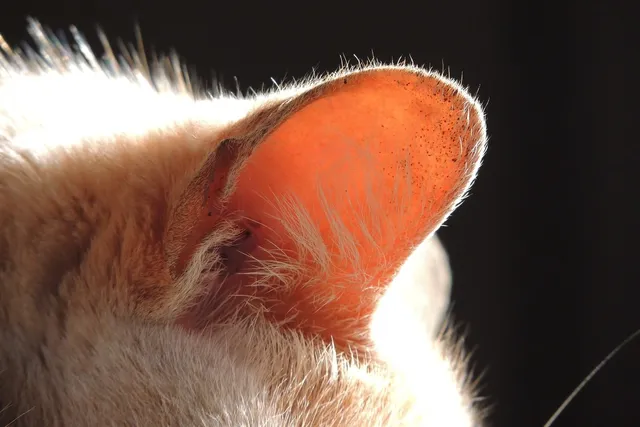
Taking your cat’s temperature with a thermometer is the only true way to know if they have a fever. However, there are a few other things that you can do to give you a rough idea. Feeling your cat’s ears or nose can provide you with a bit of insight into their body temperature. If the ears or nose feel hotter, it may be due to a fever. If they feel cooler, it could mean that something is going on that is causing their body temp to drop.
You should also pay attention to other signs, such as lethargy or a decreased appetite, that may accompany a change in body temperature. If you think that your cat’s body temperature is abnormal, see your vet.
Conclusion
Knowing how to take your cat’s body temperature and what is normal can help you make a quick assessment of your pet’s health status to determine if they need to see a professional. However, if your cat shows any signs of illness or an injury, with or without a change in body temperature, do not hesitate to see your vet.
See also:
Scottish Fold Ragdoll Mix: Pictures, Info, Temperament & Traits
Tennessee Rex Cat Breed Info: Pictures, Temperament & Traits
Sources
Featured Image Credit: frantic00, Shutterstock

Expert cat care, straight to your inbox
Vet-reviewed advice, behavior tips, and the best of Catster. Free, and you can unsubscribe anytime.
By signing up, you agree to our Terms & Conditions and Privacy & Cookies Policy.
Dr. Chyrle Bonk DVM (Veterinarian)
On top of healing animals and writing for veterinary publications, Dr. Chyrle Bonk owns a small cattle herd! When she’s not busy with those things, she can be found somewhere in the Idaho outdoors with her husband and two kids.
Chyrle has practiced in a mixed animal clinic for over 10 years. She also writes for various veterinary websites and magazines, like Catster!
Dr. Chyrle Bonk received her Doctor of Veterinary Medicine (DVM) from Oregon State University in 2010.
Join the conversation
Ask a question, share your story, or send private feedback.