


In this article
You rarely find a cat that will gladly accept having a bath without putting up a fight. If your cat is as apprehensive as most others, you may want to make sure you’re doing everything correctly to minimize the agony for you both.
After all, cats are independent creatures. The lack of control in a bathtime situation, along with the addition of water, can make them very insecure. After baths, you’ll want to dry them as quickly as possible. They’ll probably immediately begin grooming themselves in an effort to correct whatever error they are sure you just caused. Then, after something so traumatizing, they are going to need a nap.
Here’s our guide on how you can dry your cat after a bath.

Tips for Drying Your Cat
There are no particular rules to drying your cat after a bath, but you can work to make the process as seamless as possible. After all, you’re likely wanting to get everything associated with bathtime over as quickly as you can, and we can’t blame you.
The trick is to dry your cat as fast and efficiently as possible. You don’t want to leave your sopping wet kitty to their own devices.

Prepare Yourself
First of all, you should already have all of your cat bathing supplies ready and on hand. So, make sure you have a towel handy when you’re ready to get them out.
Temperament Matters
How you dry your cat depends significantly on your cat’s temperament. A calmer cat who is well-mannered in the tub won’t be hard to dry. But a cat that has been trying to escape you the entire time is going to try to bolt the first chance they get. That can make drying really difficult. And you won’t want them running around drenched and freezing cold for very long. Ensure you have a hold on them even after you turn the water off and wrap the bath up.
Choose Your Bathing Spot Wisely
Commonly, owners use the bathtub or even the kitchen sink since it’s easier for them to reach. But you might also use a tote or tub, especially those that already have smaller baths for kiddos lying around.

Rinse Thoroughly Before Drying
No matter what method you use, make sure that your kitty is thoroughly rinsed before removing them from the water. Any residual shampoo can result in skin irritation. If you notice any residue or bubbles left on your cat’s fur after washing, you will need to put them back under the water for a quick rinse—and they likely won’t be happy about it.
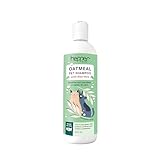
- Only Natural Pet Shampoo - Our vegan, plant-based formulation is made with safe and natural...
- No Soap - A cat and dog wash free from soaps, glutens, dyes, DEA, sulfates and phthalates means it's...
- Colloidal Oatmeal - Formula soothes and nourishes dry, irritated skin, providing itchy skin relief...
There are lots of pet shampoos to choose from, but some are much better than others. We love these two options by Hepper made with all-natural ingredients that gently clean your pet's skin and coat. These pH-balanced formulas contains moisturizing aloe vera and colloidal oatmeal, and it's free of dyes, phthalates, sulfates, and other irritants.
At Catster, we’ve admired Hepper for many years and decided to take a controlling ownership interest so that we could benefit from the outstanding designs of this cool cat company!
The 6 Steps for Drying Your Cat
Our best advice is always to have a helping hand during bath time unless you’re a very experienced person who has a solid rapport with your cat. It’s simply a precaution in case they are scared for any reason and go into attack mode.
1. Place the Towel Flat Next to the Sink or Tub
Before you even start the bath, you’re going to want to place a towel beside the sink or tub so you can have direct access to it when the bath is through.
This will ensure that you don’t have to move away from your cat to grab their towel. Not only can your cat escape during this time, but they also will get cold quickly.

2. Get Your Cat Out of the Water
When you have rinsed them thoroughly, you’re going to want to drain the water from the fur as much as you can with your hands. You can slick the water off their legs and their back before lifting them out of the tub.
Once you have gotten the bulk of the heavy wetness off, gently pick your cat up and place them on the towel.
3. Quickly Swaddle
Remember, at this point, your kitty is cold! Swaddle (cat burrito) them up like a baby with their legs bound so you can restrain them as needed. This can help your cats calm down, giving them a sense of security.
4. Gently Pat
Gently pat them to remove all excess moisture. This is a really good time to take a cotton pad and wipe it around their face, as well to get any residue away from their nose or eyes.

5. Rub the Fur Thoroughly
Once you have patted out most of the moisture, you can rub them more vigorously with a towel.
After this point, their fur should be slightly damp to the touch but definitely not sopping wet. Remember to get their ears dry, as extra moisture in the ears could lead to ear infections or irritation.
6. Air Dry in a Warm Room
Your cat should never be left in cold temperatures when they’re wet. If they are an indoor cat, make sure that they are in a warm location, such as a cozy bed, until they’re completely dry.
If you have an indoor/outdoor cat, they’ll have to stay inside until they have dried all the way to the skin. Being out in cool or cold temperatures while wet can negatively impact your cat in more ways than one.

Conclusion
Because you know you’re on the home stretch, it can be relieving to get to the drying process. They are one step closer to being free again and you don’t want to restrain them any longer than you have to.
But drying is a super important part of the bathing process to prevent your cat from being cold. They’ll be back on your lap purring again in no time. After a while, they may even consider forgiving you for the whole thing.
See Also:
- How Do I Calm a Cat Down for a Bath? Effective Tips to Try
- How to Give a Cat a Bath Without Water: Vet-Approved Step-by-Step Guide
Featured Image Credit: KDdesignphoto, Shutterstock





