Cat Glaucoma: Signs, Causes, Diagnosis, Care & FAQ (Vet Answer)

In this article
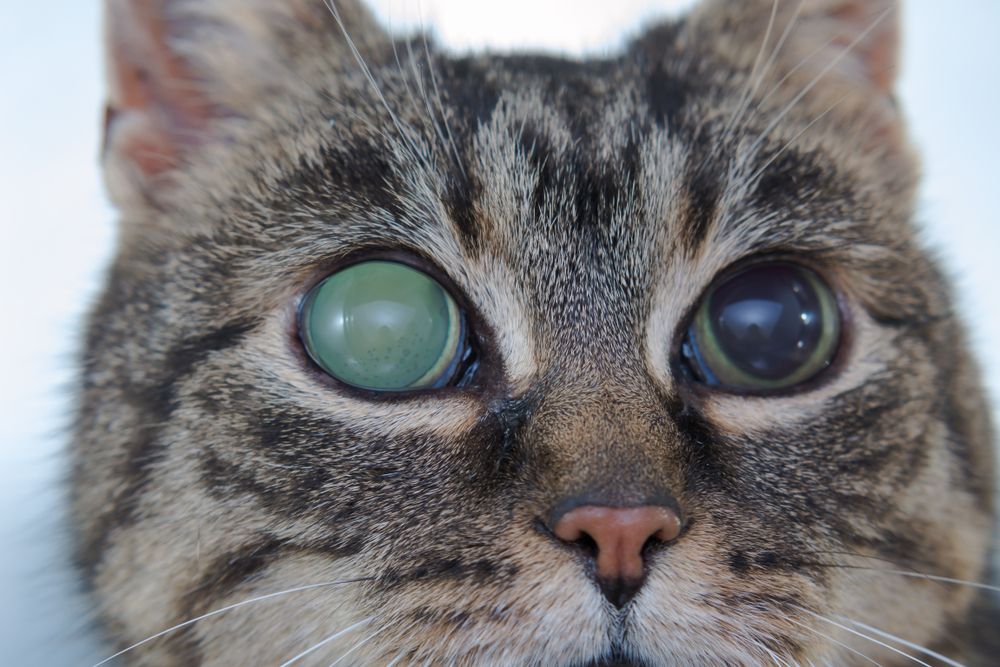
Cats are capable of developing glaucoma, just as humans do. Glaucoma is a medical condition seen when high pressure builds up inside the eye. It results from an imbalance between the drainage and production of the normal fluids in the eye. Usually, something prevents the normal fluids from draining away. The build-up of fluid increases the pressure in the eye to unhealthy levels. Glaucoma can be an extremely painful condition for your cat and if it is left untreated, it can result in blindness.
Glaucoma is less commonly seen in cats compared to dogs. There are different treatment options for your cat depending on the underlying cause. If early diagnosis is made and treatment is started promptly, the prognosis is good for cats as long as they are not suffering from other underlying health conditions.

What Is Glaucoma in Cats?
Glaucoma is the presence of unusually high pressure inside your cat's eye. Typically, it occurs due to a build-up of fluid in the eye caused by an issue with the drainage of this fluid. The fluid is called aqueous humor. This provides vital nutrients to the structures inside the eye and gives the eyes their shape. The amount of aqueous humor needs to be just right; too little and the eye will not receive enough nutrients, too much and the pressure within the eye builds up and starts to cause damage.
The pressure inside the eye is called intraocular pressure. If it gets too high, this causes irreversible damage to the optic disc and the retina. This is why glaucoma can cause blindness if it is not treated quickly.
Cats can experience primary or secondary glaucoma. Primary glaucoma occurs due to abnormal aqueous humor drainage caused by an anatomical abnormality. It is usually hereditary, and it is very rare. Some breeds of cats are thought to be genetically predisposed to it such as Siamese and Burmese cats. It can often present in just one eye and then go on to develop in the other.
Secondary glaucoma is typically the result of a disease that causes a physical blockage to the aqueous humor drainage. This blockage may be caused by cataracts, trauma, inflammation, corneal ulcers, cancerous growths, or luxation of the eye lens amongst other things.
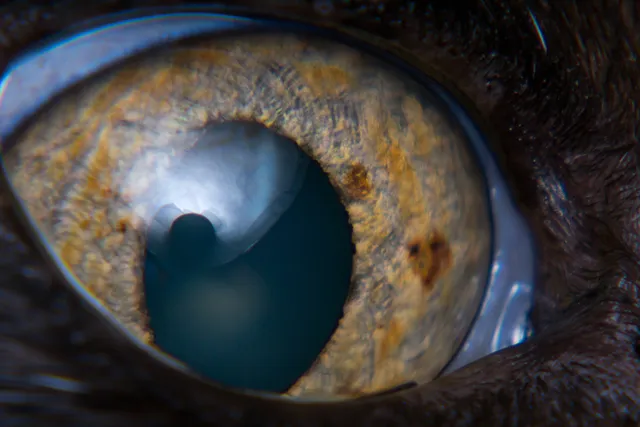
The most common causes of glaucoma are inflammatory changes or tumors. Initial signs include pain, swelling of the eye, and redness in the parts that are normally white. If the pressure in the eye is elevated for a prolonged amount of time, this can lead to enlargement of the eyeball. This, in turn, can cause the lens of the eye to be displaced and the membrane of the cornea can become damaged too.

What Are the Signs of Glaucoma in Cats?
Glaucoma in cats can affect a single eye or both of them at once. Depending on the underlying cause and the severity, it can develop quickly or as a gradual progression.
Typical signs include:
It can be difficult to assess your cat's pain threshold as some of them are very stoic, but eye pain can manifest as squinting, rubbing their eyes, and avoiding bright lights. Some of the signs mentioned will develop suddenly, others will develop over time. Clinical signs can be subtle at first, so it is important to monitor your cat's eyes closely.
Is your cat presenting any of these signs? We suggest you speak with a vet online.
What Are the Causes of Glaucoma in Cats?
The causes of primary and secondary glaucoma do differ. Primary glaucoma occurs due to an anatomical abnormality involving the drainage angle of the eye. This occurs with or without the absence of other underlying eye diseases.
The altered angle means that the aqueous humor cannot leave the eye at the rate it needs to, therefore causing an unwanted build-up of pressure. As mentioned above, breeds such as Siamese and Burmese have a genetic predisposition to primary glaucoma.
Many different things can cause secondary glaucoma in cats.
These include:
How to Diagnose Glaucoma in Cats
Your vet will begin by taking a clinical history and performing a physical exam. They will pay particular attention to the eyes. If your vet suspects that your cat has glaucoma, they will use an instrument called a tonometer. This is a handheld piece of equipment that measures the intraocular pressure. It is a painless procedure, although some cats will not tolerate it as they do not like it being held so close to their face.
Depending on if there are other issues with the eyes, there are other tests that can be carried out such as testing the tear production of the eye or dyeing the surface of the eye to check for damage to the cornea or the presence of ulcers.
Your vet may refer your cat to an eye specialist if there are multiple issues or complicated problems. Further testing using specialized equipment can include gonioscopy which involves a magnifying lens instrument that allows your vet to visualize the drainage angle of the eye. This allows your vet to see if there are any structural abnormalities that may have led to glaucoma.
Another useful test is electroretinography. This measures the electrical activity of the retina. This can identify potential nerve damage caused by glaucoma. Some veterinary hospitals may have a specialist eye ultrasound probe they can use to examine the structures of the eye.

How Do I Care for a Cat with Glaucoma?
Treatment for glaucoma in cats depends on the severity of the condition. The aim of the treatment is to alleviate pain, reduce the pressure in the eye, eliminate clinical signs, and preserve eyesight. Your vet will typically administer some eye drops that improve the drainage of the aqueous humor and /or reduce the production of the aqueous humor inside the eye.
Medications used usually include:
If medical management fails to work, in some cases surgery is considered. Depending on the underlying cause of the glaucoma, there are a few different options.
A trabeculectomy involves making a new drainage channel in the eye to allow for the aqueous humor to flow out. Cycloablation involves the destruction of part of the culinary body which is responsible for the production of the aqueous humor. These are very intricate and complicated surgeries that can only be performed by a specialist vet. Laser surgery is also an option in some veterinary hospitals.
In extreme cases, where the disease has been allowed to progress, the cat can be in considerable pain. Sometimes the most practical thing to do is to surgically remove the eye as this is the only way to relieve the pain. In some cases, the condition is only present in one eye. Your vet will always want to perform an exam on the other eye to see if there are any signs of disease here too as it may be possible to start taking preventative measures.


Frequently Asked Questions (FAQ)
What happens if glaucoma in cats is left untreated?
If glaucoma is left untreated in cats, several severe consequences may occur, these can include considerable pain and discomfort and permanent loss of vision.
What is the long-term prognosis for cats with glaucoma?
The long-term prognosis for cats with glaucoma depends on the underlying cause of the disease as well as the stage of the disease at the time of diagnosis. The overall health of the cat will also affect how well they will cope. If early diagnosis is made and treatment is initiated promptly, the prognosis can be fairly good. If the underlying cause is a systemic disease that affects other parts of the body, this may result in a poorer prognosis.
Is glaucoma in cats a painful condition?
Glaucoma in cats can progress to be an extremely painful condition. Eye drops that reduce the intraocular pressure in the eye often can relieve some of the pain and discomfort. Subtle signs your cat may be in pain include squinting, avoidance of bright lights, and rubbing their eyes. They may also have watery eyes and become head-shy if you try to stroke them.

Conclusion
Glaucoma is a debilitating condition that affects cats. The increase in pressure that occurs in glaucoma can cause serious problems and eventually affect your cat's eyesight permanently. There are effective treatment options available including topical drops and surgery. There are lots of different types of eye drops that work by either decreasing the production of aqueous humor or increasing the outflow from the eye.
Treatment aims to reduce the pressure in the eye, manage the pain, and preserve the vision. There is no quick fix for glaucoma, and treatment involves long-term management and a big commitment from owners. If you are suspicious that your cat may be showing signs of glaucoma, you need to take them to your vet immediately.
Sources
Featured Image Credit: Todorean-Gabriel, Shutterstock
Expert cat care, straight to your inbox
News, insights, and useful advice, delivered to you.

No spam — unsubscribe anytime.
By signing up, you agree to our Terms & Conditions and Privacy & Cookies Policy.
How useful was this post?
Click a star to rate. You can leave written feedback afterwards. (We read all feedback.)
Dr. Emma Chandley, BVM MRCVS (Veterinarian)
Dr. Emma is an experienced vet who is happy to share her expertise and knowledge about cats with readers. Her passion is surgery but she will happily talk about anything animal-related. Dr. Chandley graduated from The Royal Vet College and since then she has worked in general practice in Great Britain. Dr Chandley has completed a postgraduate certificate in Small Animal Surgery and has also gained Advanced Practitioner status in the same discipline. She enjoys developing her skills in animal behavior, nutrition, and clinical pathology as well.