Get

In Your Inbox

Catster is reader-supported. When you buy via links on our site, we may earn an affiliate commission at no cost to you. Learn more.

Why Do Cats Rub Their Faces on You? 3 Vet-Reviewed Reasons

Share

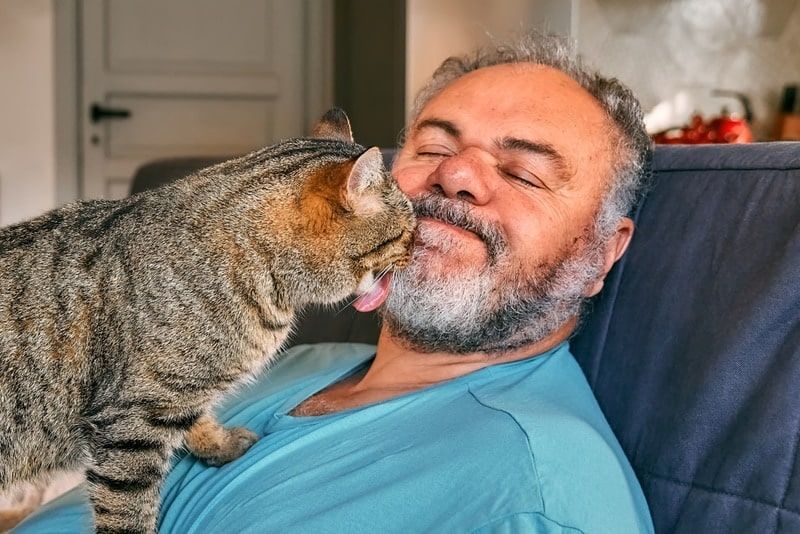
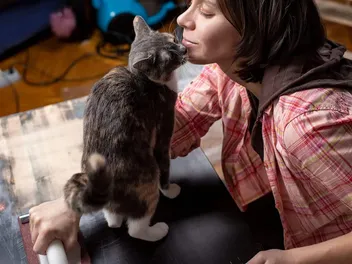
Gray cat licking owners face

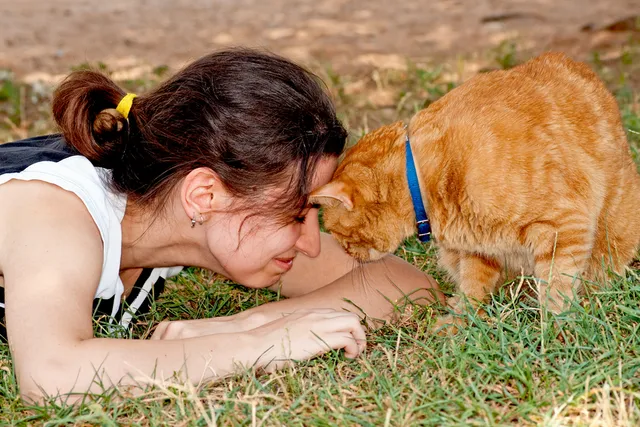
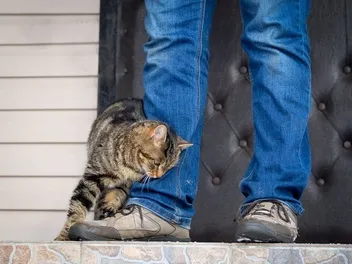
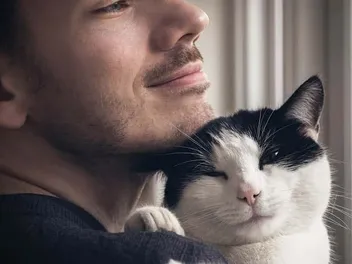
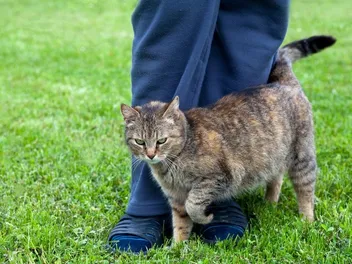
A cat rubbing their face on you is one of the highest compliments you can receive from your furball, and it’s seriously adorable to boot. This behavior is called “bunting,” and it’s a common way cats greet their human companions, but why exactly do they greet us this way?

In this post, we share the three main reasons cats rub their faces on us and what it means for your relationship with your cat.

divider cats oct 2024

The 3 Reasons Why Cats Rub Their Faces on You

1. Marking You With Their Scent

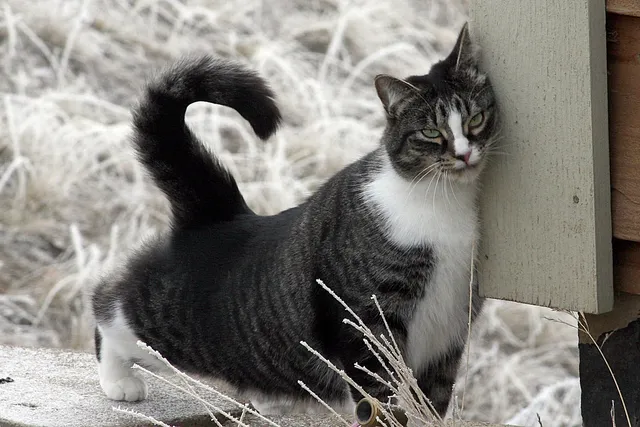
Some of a cat’s scent glands are located in the cheeks, chin, and on the top of the head (there are more in the base of the tail and the paws), and when a cat rubs against something with their face, these glands release chemicals called pheromones onto you.

Depositing pheromones is a cat’s way of marking you as part of their territory and as a trusted and safe person, so it’s a real compliment! Your cat will continue to bunt you regularly to “reapply” those pheromones, especially when you get home and have new smells on you.

This ritual helps your cat to feel safe and secure and is a reflection of cats’ behavior in the wild, where they distribute scents among their social groups to create a sense of community.  It also helps them root out who is and isn’t a member of the colony.

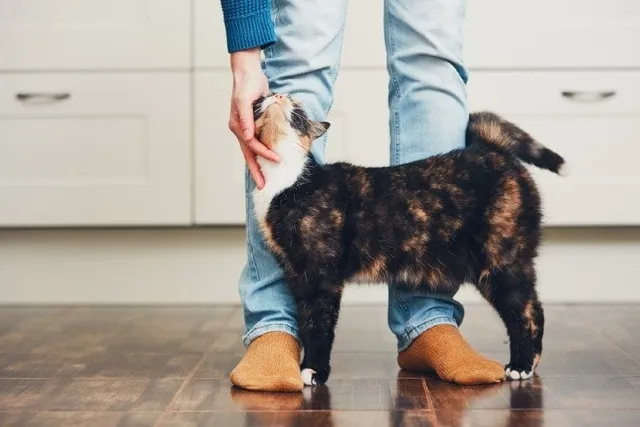
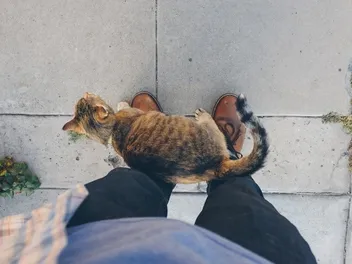
cat walking next to its owner
Image By: Irina Kozorog, Shutterstock

2. Getting to Know You

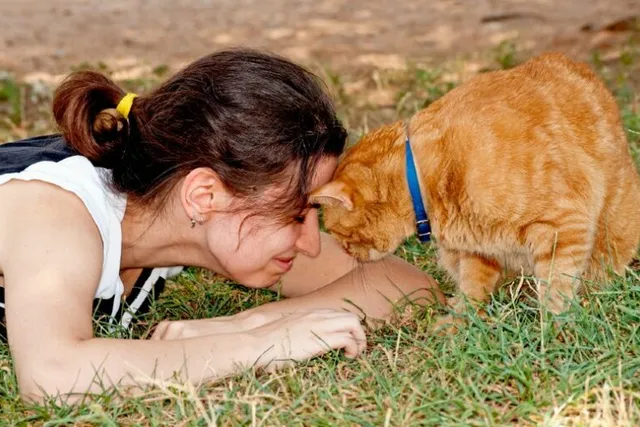
In addition to marking you as “territory,” cats bunt to gain information about you. This kind of bunting tends to happen when a cat is meeting someone for the first time, and it is a cat’s way of figuring out who you are and what you’re about.

However, this is more of an “assessment” rather than an invitation to be petted, so it’s best to avoid petting a cat right away if it’s the first time you’re meeting them. Let them do their thing, and if they keep coming back to you, then you can try petting them.


3. Getting Your Attention

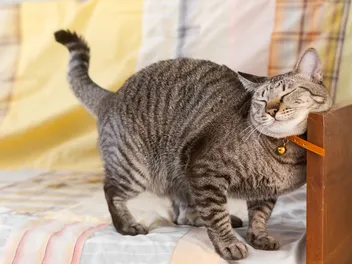
Since cats can’t verbally communicate with you, they find other ways to let you know they want or need something, including vocalizing, following you about incessantly, and bunting you or objects like cupboards (where they know their food is).

This typically happens around routine times, like when you feed your cat, and it’s an indication that you should probably check their food bowl, water bowl, or litter box in case it needs a clean-out. As you get to know your cat, it should start to get easier to tell what your cat is trying to communicate when they rub on you or objects.
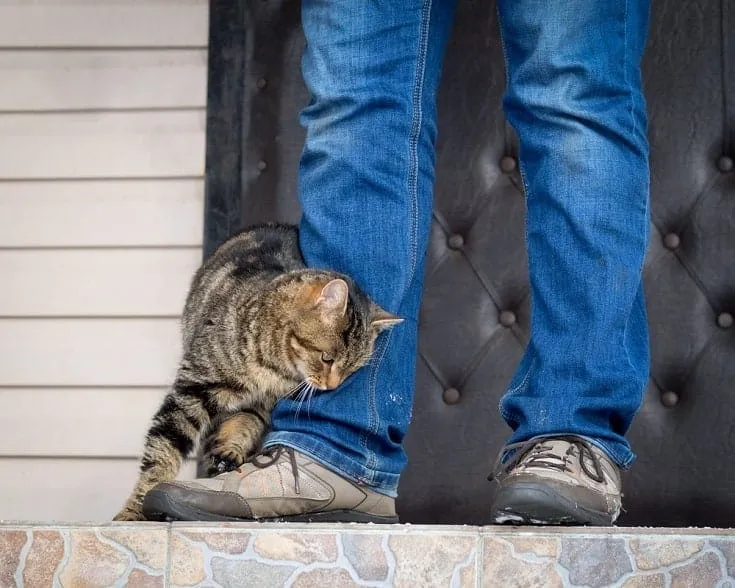
cat rubbing against owner
Photo Credit: Irina Kozorog, Shutterstock

Other Reasons Cats Rub Against You (or Things)

When healthy cats bunt, it’s either a sign of affection or a means of marking you or letting you know they need something. However, if a cat isn’t feeling so good, they may rub against you to alert you to it.

Uncharacteristic, aggressive rubbing in particular against people or objects can be a sign of illness, so you’ll want to get this checked out by a vet.

If you need to speak with a vet but can't get to one, head over to PangoVet. It's an online service where you can talk to a vet online and get the advice you need for your pet — all at an affordable price!

PangoVet_Mention-in-Content for PangoVet2 save money

Keep an eye out for these other signs that your cat may not be feeling their finest:
  • Excessive vocalization
  • Head tilting
  • Changes in eating or drinking habits
  • Changes in bathroom habits
  • Eye flicking
  • Losing weight
  • Lethargy
  • Confusion
  • Vomiting
  • Diarrhea
  • Overgrooming
  • Hiding away
  • Sitting in a hunched position

divider 2 cats

Conclusion

It’s fascinating to see how cats interact with humans and communicate to us their affection and needs, and tuning in to your cat’s cues can really help you understand them better and strengthen your bond.

However, if your cat has started acting out of character, like rubbing aggressively against you or showing signs of illness, please get them checked out by a vet.

See also:


Featured Image Credit: Caterina Trimarchi, Shutterstock

Want content like this delivered to you?

Sign Up For Our Newsletter

News, insights, expert advice, and everything cat

* By submitting, you agree to our Terms & Conditions and Privacy & Cookies Policy.


How useful was this post?

Click on a star to rate (you can leave written feedback after clicking submit)

Help us improve Catster for pet parents!

Your feedback really matters.

What did you like about this post? Also how can we improve it?

Join the conversation

Leave a Reply

You’re very welcome to leave a comment or question. Please know that all comments must meet our community guidelines, and your email address will NOT be published. Let’s have a positive and constructive conversation.


Talk With A Vet Online

Peace of mind,
anywhere, anytime

Affordable vet advice

Why Chicken Bones Are More Dangerous for Cats Than Most Parents Realize

Chicken bones seem harmless enough, but for cats, they can cause serious damage quickly. Whether your cat swiped a piece off the counter...

Fantastic Pet Pantries and Where to Find Them

Let’s face it: times are really tough right now, and those of us in the 99% are struggling with the cost of just...

Ask Dr. Paola – Help! My Cat Refuses to Drink Water! (April 13, 2026)

Welcome to our “Ask Dr. Paola” series, where every Monday we bring expert advice straight from Dr. Paola Cuevas (MVZ) to help our...

Why Healthy Cats Still Vomit Sometimes (And How to Respond)

A cat that just vomited needs a specific kind of care, and the feeding decisions you make in the next few hours actually...

More related

Do Cats Masturbate? Feline Behavior Explained

Sometimes, being a pet owner means dealing with awkward situations. Many dog owners complain about their pet’s tendency to hump objects, but did...

9 Best Foods for Siamese Cats in 2026 – Reviews & Top Picks

Siamese cats, with their striking blue almond-shaped eyes, short coat, and distinctive color points, are known for their friendly, sociable, and affectionate nature....

How to Train a Cat to Stay Off Counters: 5 Vet-Approved Tips & Tricks

Cats are naturally attracted to high places, but that’s not a good thing when it’s your kitchen counter. Aside from being a nuisance,...

8 Best Flea Shampoos for Cats in 2026 – Reviews & Top Picks

Fleas, unfortunately, are part of pet ownership. Even the tiniest kittens or the most adorable cats can pick them up, and it only...

Keep reading

Why Does My Cat Attack Me at Night? 10 Vet-Reviewed Reasons

Ever wondered why your cat turns into a nighttime ninja, pouncing and attacking when you’re trying to get some sleep? It’s a mystery that many cat owners face: “Why does my cat attack me at night?” These midnight madness sessions...

cat waking up the senior man in bed

How Do I Give CPR to a Cat? Vet-Verified Step-by-Step Guide

Performing a feline cardiopulmonary resuscitation (CPR) is a procedure every veterinarian and technician master, but likely not every cat companion. CPR is used to maintain blood flow and oxygen delivery throughout the body when a cat’s heart stops beating. It...

performing pulmonary rescucitation with an ambu bag on a cat

Why Does My Cat Steal Things From Me? 10 Vet-Reviewed Assumptions

As cat owners, we know our felines are capable of many strange behaviors, but one of the weirdest has to be when they steal things from us and hide them away. Many cat parents have stories about their pets stealing...

maine coon cat with toy in his mouth

The Feline Grimace Scale: How it Works & FAQ (Vet Approved)

Cats are masters at hiding it when they’re not feeling well or in pain, which can make it difficult for pet parents to know when something is wrong. Veterinarians first look for signs such as changes in behavior to determine...

man petting a sick siberian cat

Can Cats Eat Paprika? Vet-Reviewed Facts & FAQ

Paprika is a commonly used spice that is made from dried peppers. The peppers used in paprika can be sweet or spicy peppers (generally from Capsicum annuum varietals), so there may be some variability in the flavor of your paprika....

Catster_Can Cats Eat Paprika_v1_Dec 4 2024

My Cat Doesn’t Chew His Food: Vet-Reviewed Concerns & FAQ

While it’s important for humans to thoroughly chew our food before swallowing, for many other mammals—cats included—this is not usually the case. Humans eat a wide variety of different foods, from tough plants, seeds, and nuts that need to be...

cat after eating food from a plate

Cat Pheromones for Aggression: Vet Approved Facts & FAQ

If you have the time, space, and financial ability, there are many benefits to owning more than one cat. The kitties can keep each other company when you’re away, play together, and help each other exercise. However, not all adult...

Angry,Calico,Cat,Lying,On,Edge,Of,Bed,Wagging,Tail

Can Cats Drink Tap Water? Vet Approved Facts & FAQ

As humans, we have so many options when it comes to what to drink each day. Coffee for breakfast (or all day), juice, soda, milk, or even adult beverages are all on the menu. Cats, however, generally only get one...

Can Cats Drink Tap Water

Love Cats? So Do We! Join the Catster Community

Stay informed with expert pet care insights delivered straight to your inbox! Discover professional guidance on animal behavior, feeding tips, trusted product picks, and much more.


Sign up for the Catster Email Newsletter

Stay informed with expert pet care insights delivered straight to your inbox! Discover professional guidance on animal behavior, feeding tips, trusted product picks, and much more.