Ovarian Remnant Syndrome in Cats: Causes, Signs & Treatments (Vet Answer)

In this article
You adopted your cat from a shelter, and she was already spayed. Now, several years later, she yowls and acts like she could be in heat, but that couldn't be possible, right?
You bring it up to the vet during your cat's semi-annual physical exam, and they suggest that your cat could have ovarian remnant syndrome. Let's dive into what that could mean and what to do for your cat.

What Is Ovarian Remnant Syndrome?
Ovarian remnant syndrome is a condition where there is still some ovarian tissue left in the abdomen after a vet has spayed your cat. This condition can also occur in dogs.
You might notice that your cat is showing signs consistent with being in heat or estrus. While they can't get pregnant, affected cats may be attracted to males. The veterinarian will examine your cat and suggest specific tests to confirm a diagnosis of a retained ovarian remnant.
Typically, this condition occurs because a piece or an entire ovary is left within your cat's abdomen during the spay procedure. Some cats can have ectopic ovarian tissue, which is ovarian tissue in an abnormal place within the body.

What Are the Signs of Ovarian Remnant Syndrome in Cats?
Because cats with retained ovarian tissue experience hormone cycles, they will show signs similar to an unspayed female. Interestingly, it can take years for a cat to show signs of a retained ovarian remnant. According to the Animal Surgical Center of Michigan, affected cats will show signs of a heat cycle an average of 15.5 months after spaying. In addition, roughly 17% of spay complications involve ovarian remnants.
Common signs of a retained ovary are bloody discharge from your cat's vulva and an enlarged or swollen vulva. Because cats are avid groomers, you may not see either of these signs in your cat.
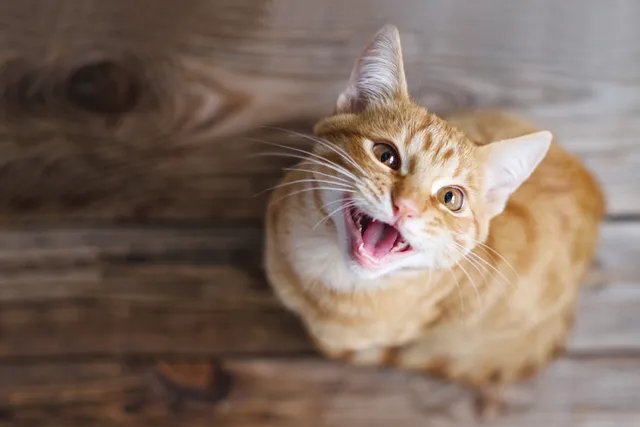
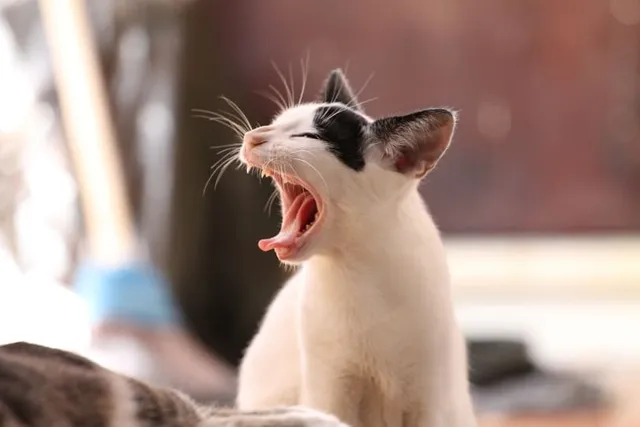
Another sign of estrus in cats is increased vocalization. Your ordinarily quiet cat may yowl continuously. They can also be increasingly restless. If you have an intact, unneutered male cat, your female may allow or encourage copulation, but they will not be able to get pregnant.
Secondary to hormone changes, your cat's mammary glands and nipples may enlarge.
What Are the Causes of Ovarian Remnant Syndrome in Cats?
The most common cause of ovarian remnant syndrome in pets is surgical error. The surgeon leaves a portion of the ovary remaining after surgical removal of the ovaries during a spay. This complication may be a little more common in cats than dogs because it can be harder to visualize the whole ovary as it's harder to break down the proper ligament in cats than in dogs.
Another potential cause is ectopic ovarian tissue. This cause relates to ovarian tissue not being located in a normal position in your cat's abdomen. Instead of its usual location within the ovary, some ectopic tissue can be found in places like the broad ligament. If a veterinarian doesn't detect this ectopic tissue during surgery, it gets left behind and becomes an ovarian remnant.
The remaining tissue becomes hypertrophied after a while and continues to secrete reproductive hormones, leading to signs of estrus.
You do need to be careful about certain medications because they can also mimic your cat having an ovarian remnant. If you use a topical estrogen cream and your cat can touch or lick it off, they can present like your cat is having a heat cycle.

Diagnosing Ovarian Remnant Syndrome in Cats
The veterinarian may have a strong suspicion that your cat has ovarian remnant syndrome, but it should be confirmed through testing before any intervention.
First, ensure there's no chance that anyone has exposed your cat to topical estrogen or progesterone.
The veterinarian may perform vaginal cytology to look for cellular changes consistent with a heat cycle, most notably cornified vaginal epithelial cells.
The best support for ovarian remnant syndrome is using two hormone tests.
- Progesterone levels should be lower in a spayed female.
- Anti-müllerian hormone levels should be checked. A positive test indicates that ovarian tissue is in the cat, while a negative test means it isn't.
How Do I Care for a Cat With Ovarian Remnant Syndrome?
Unfortunately, if your cat has ovarian remnant syndrome, they'll need surgery to remove the remaining ovarian tissue. Some veterinarians can perform this surgery laparoscopically, where the vet will make a series of small incisions and use a camera to identify the tissue.
Sometimes, the veterinarian will perform an exploratory surgery to identify the retained tissue. The procedure is done the same way as your cat's initial spay.
After surgery comes the hard part: keeping your cat quiet and calm for about 10 days. If you have a very active kitty, the veterinarian might prescribe sedatives to keep them calm.
Gabapentin may be used as a pain medication and a mild sedative. They'll also generally receive pain-relieving anti-inflammatory medication, such as Onsior (robenacoxib).
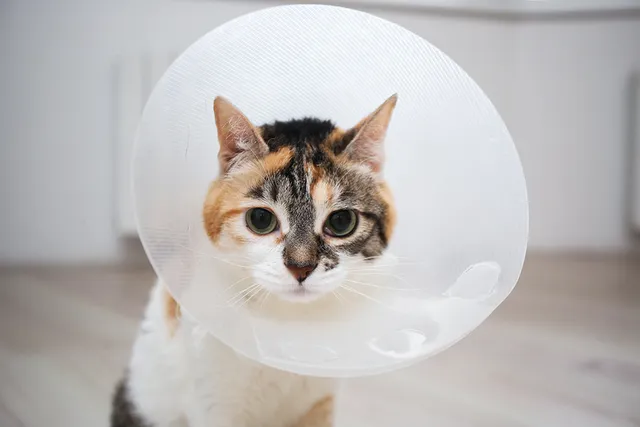
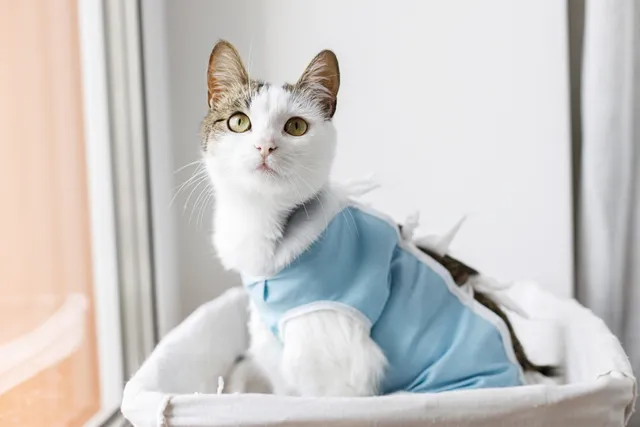
As hard as it might be, your cat should wear an Elizabethan collar (e-collar, for short). This usually rigid "cone of shame" can help keep your cat from licking or chewing at their incision, which could cause it to become inflamed, infected, or even reopen. Some cats do well with a bodysuit, so talk to a vet about what option might work best for your cat.
Frequently Asked Questions (FAQ)
How common is ovarian remnant syndrome in cats?
Ovarian remnant syndrome is not a common occurrence after a spay, but it does appear to be more common in cats than dogs. Of post-ovariohysterectomy complications, less than 20% are retained in ovarian tissue.
One study looked at pre-surgical variables to see if anything was common to reviewed cases. The age of the pet and its breed were not significant factors. Interestingly, even obesity did not increase the risk of a cat having ovarian tissue left behind.
Can ovarian remnants become cancerous?
Ovarian remnants have the potential to become cancerous, at least in humans. We do know that, in pets, retained ovarian tissue can be linked to several cancers developing outside of the ovaries, such as mammary cancer (such as mammary gland adenocarcinoma) and vaginal cancer
Your cat is also at a higher risk for developing a uterine stump pyometra, an infection within the remaining portion of the uterus.

Conclusion
Ovarian remnant syndrome can occur in cats as a result of poor surgical technique, trouble exposing the ovaries during an ovariohysterectomy, or even extra ovarian tissue in an abnormal place within your cat's body. A veterinarian will partner with you on surgery or refer you to a facility for laparoscopic surgery.
Sources
Featured Image Credit By: megaflopp, Shutterstock
Expert cat care, straight to your inbox
News, insights, and useful advice, delivered to you.

No spam — unsubscribe anytime.
By signing up, you agree to our Terms & Conditions and Privacy & Cookies Policy.
How useful was this post?
Click a star to rate. You can leave written feedback afterwards. (We read all feedback.)
Dr. Samantha Devine DVM (Veterinarian)
Samantha Devine is a practicing veterinarian who loves to share her experience with animal species and their health. Whether it's a guinea pig question or a pressing matter about something your cat ingested, she strives to provide clear answers. She is passionate about preventative care and firmly believes in the old adage, "An ounce of prevention is worth a pound of cure."
Dr. Devine has been practicing veterinary medicine for over 12 years and has spent a great deal of that time writing online to educate pet owners. In addition to general practice small animal medicine, she has worked with horses. zoo animals and aquatic species. She enjoys all aspects of preventative medicine, from nutrition to vaccines.
Dr. Devine received her degree from the Virginia Maryland Regional College of Veterinary Medicine.