How to Weigh Your Cat: 5 Vet-Approved Steps


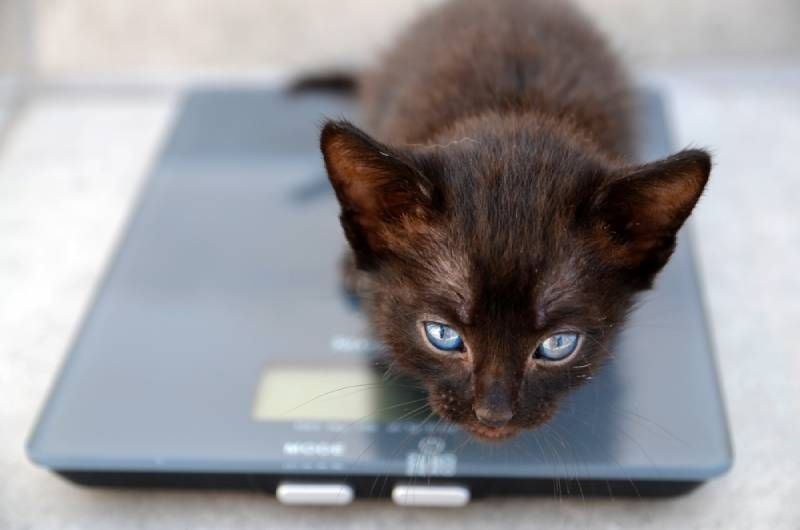
Though it may not be considered a necessary part of caring for cats, there are significant benefits to weighing your cat. Since cats can’t use words to tell us if they’re feeling sick, cat owners must be observant and look for potential warning signs of illness.
A cat’s weight and the rate of weight gain and loss can tell you a lot about a cat’s well-being and overall quality of life. For example, keeping track of a cat’s weight can ensure healthy weight loss for overweight cats or raise flags for underlying diseases that impact a cat’s weight.
Fortunately, weighing a cat is a straightforward process. Here are a few ways you can start weighing your cat and keeping track of their weight.

Before You Start
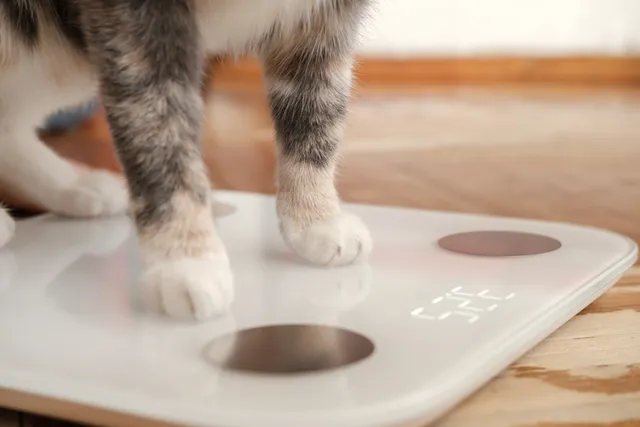
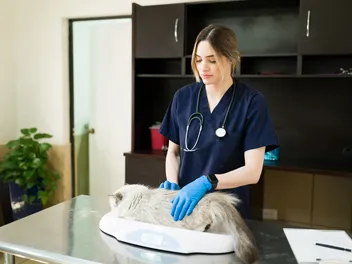
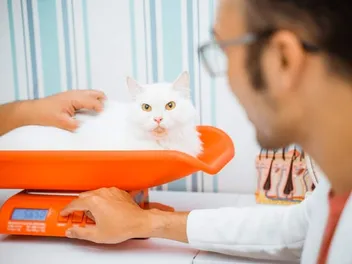
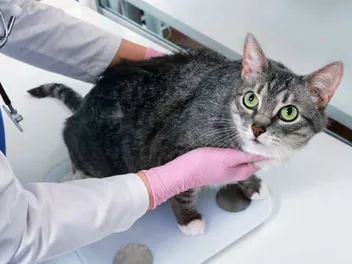
There are a few ways you can measure your cat’s weight. You can certainly place your cat on a pet scale and measure their weight, but this can be difficult if your cat doesn’t like to stay still. For this reason, many people opt to hold their cat and use a human scale to record their cat’s weight. If you choose this method, make sure that your cat’s already comfortable with being picked up and held.
1. Measure Your Own Weight
First, start by measuring your own weight. Check to ensure that your scale is on an even surface before stepping onto the scale. Record your weight, and make sure to write down the precise tenth of a pound. Since cats are much smaller and lighter than people, it’s worth paying attention to fluctuations that are less than a pound.
Measure your weight one or two more times to ensure your scale is giving accurate and consistent readings.

2. Pick Up Your Cat and Measure Combined Weight
Next, gently pick up and hold your cat. Then, step on the scale again and record your combined weight. You can do this a couple of times to ensure you’re getting consistent readings from your scale.
3. Subtract Your Body Weight from Your Combined Weight
Next, subtract your body weight from your combined weight. The remainder is your cat’s weight. For example, if your body weight is 150.5 pounds, and your combined weight with your cat is 157.2 pounds, your cat’s weight is 6.7 pounds.
Write down your cat’s weight in a log. You can measure your cat’s weight once a week at the most, and it’s recommended to measure your cat at least once a month if they’re on a weight loss plan. Keeping a log will help you to notice patterns of weight loss or weight gain much more quickly.

4. Use a Carrier if Your Cat Doesn’t Like Being Held
If your cat doesn’t sit still on a pet scale or really doesn’t like being held, you can try using a carrier to hold your cat while they’re being weighed. If you choose this method, it’s best to use a hanging scale for the most accurate measurements.
Hang the empty carrier on the scale’s hook and record its weight measurement. Then, place your cat inside and weigh the carrier again. Subtract the weight of the empty carrier from the combined weight of the carrier and your cat. The remainder will be your cat’s weight.
5. Make Sure to Reward Your Cat
Give your cat plenty of praise immediately after you measure their weight, every time. If they’re not needing to lose weight, give them a couple of their favorite treats, too. Rewarding your cat will eventually build a positive association with weigh-ins, and it’ll make this process much easier for both of you.


Benefits of Weighing Your Cat
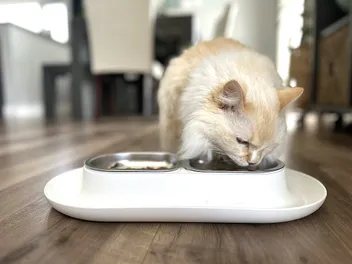
Your cat’s weight and weight fluctuations can tell you a lot about your cat. First, keeping track of your cat’s weight can help you determine if your cat’s eating too little or too much food.
Cats can also start to lose weight due to other health issues that are unrelated to not eating enough. Weight loss can be a sign of a greater underlying medical issue. Intestinal parasites, diabetes, hyperthyroidism, cancer, heart disease and kidney disease can all cause weight loss in cats. Recording your cat’s weight can help you detect potential health issues more quickly.
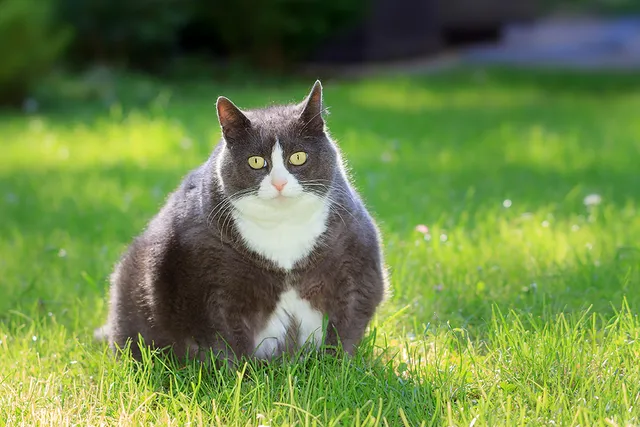
Significant or rapid weight gain can put your cat at high risk of developing health issues, and it’s fairly common for indoor cats to become overweight. Nearly 60% of pet cats are overweight.
Feline obesity can lower a cat’s quality of life significantly. It can shorten their life expectancy, and obese cats often have mobility issues that make it difficult for them to move around independently. Obesity increases the risk of cancer, diabetes, heart disease, and urinary bladder stones. It is also thought to weaken a cat’s ability to fight off infectious diseases.
Regularly weighing an overweight cat ensures that they’re losing weight at a healthy rate. In general, cats on weight loss plans should lose between 1-2% of their body weight every week. Anything more can be dangerous, and rapid weight loss of a previously obese cat can lead to a serious liver condition called hepatic lipidosis.

Conclusion
Weighing your cat regularly can give you peace of mind in knowing that your cat has healthy eating habits. Since weight loss and weight gain are often indicators of certain illnesses, weighing your cat can also help you detect health issues much more quickly.
There are several different methods for weighing cats. Once you find one that works, stick to it, and make sure to reward your cat after every weigh-in. Adding weigh-ins to your cat’s care routine is a simple way to keep your cat’s health in check, and it will help you respond more quickly to any potential health issues.
Sources
Featured Image Credit: svf74, Shutterstock
Expert cat care, straight to your inbox
News, insights, and useful advice, delivered to you.

No spam — unsubscribe anytime.
By signing up, you agree to our Terms & Conditions and Privacy & Cookies Policy.
How useful was this post?
Click a star to rate. You can leave written feedback afterwards. (We read all feedback.)
Jessica is a freelance writer who spends most of her day researching and writing while her fluffy Cavapoo, Nora, naps beside her. She loves and appreciates pets and animals because there’s so much to learn from them, and they do so much for people. As a dog owner, she understands the special connection that pet owners form with their pets. She loves sharing helpful information that people can use to better understand their pets. When she’s not writing, you can find her walking dogs, tending to her plant babies, or drinking her nth cup of coffee.