How to Train a Siamese Cat: 5 Tips & Tricks


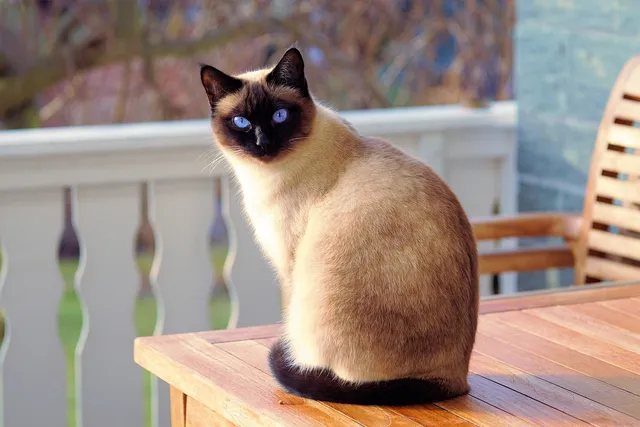
Siamese cats are affectionate, loving, intelligent cats that can be easily trained if you know the right methods. In addition to teaching them obedience skills and proper behavior, you can also teach them tricks and commands. These playful cats are full of energy and like to spend time with their owners. Training a Siamese cat can be a bonding experience.
In this article, we look at ways to train your Siamese cat, along with five tips and tricks for success.

What Can You Teach a Siamese Cat?
Using a Litter Box
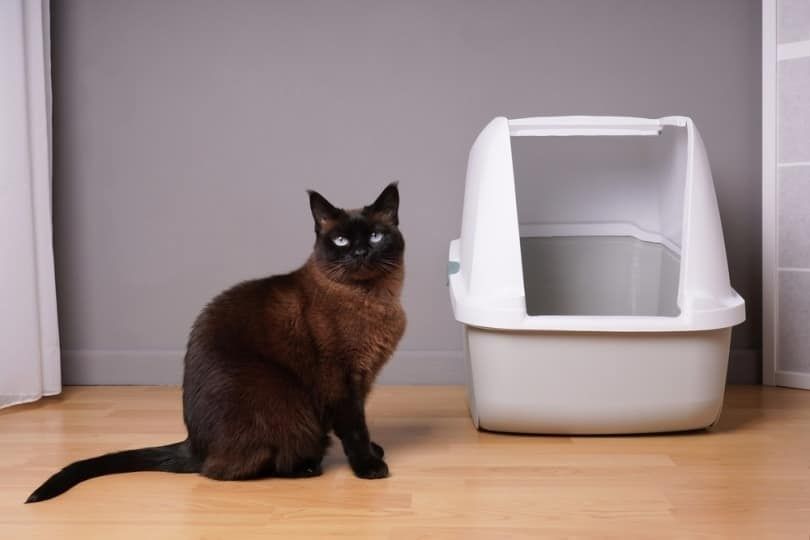
One of the most important things to teach your Siamese cat is how to use the litter box. This can start as soon as you bring your cat home, no matter how young they are. Luckily, litter box training is easy for many cats because the behavior comes naturally to them.

Obedience
Your Siamese cat’s obedience training should start as early as possible. When kittens are taught obedience training, it can help them grow into adult cats who know the acceptable ways to behave (though adult Siamese cats can still get themselves into trouble sometimes!). Obedience training focuses on curbing bad behaviors and rewarding good behaviors.
Tricks
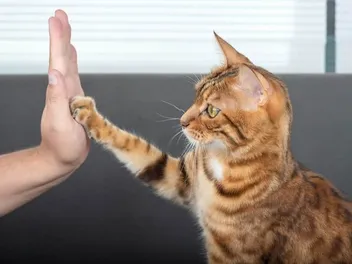
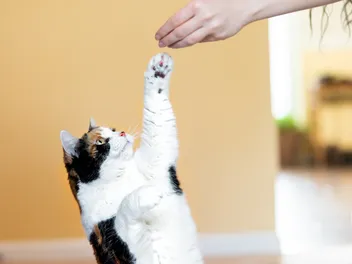
You can teach your Siamese tricks, like a high-five, rollover, and fetch. Since Siamese cats love spending time with people and receiving attention and affection, positive reinforcement may make your cat learn tricks quickly.
The 5 Tips & Tricks for Training a Siamese Cat
1. Be Consistent
A consistent approach is important for success. Siamese cats need time to pick up new things. A daily routine dedicated to training at a regular time during the day will help your cat understand what you want them to do. Stick with it as often as you can. Letting too much time go between training sessions can be detrimental to their learning.

2. Use Positive Rewards
When your cat does a task or obeys a command correctly, reward them with something that they value highly. This could be a treat that they don’t get often or their favorite food. Cats are more independent than dogs when it comes to training. You’ll be able to hold their attention more with a highly valued food item than you will with praise or toys. Choose something that your cat loves and make that their reward.
3. Have Patience
Losing your temper or getting frustrated is a quick way to make your cat lose interest in training altogether. Keep your attitude light and positive. If you’re too harsh, you can scare your cat and make them not want to come back and resume the session. For example, if your cat poops on the floor instead of in the litter box, pick it up and move it into the litter box. This will guide your cat to understand what the correct action is. Yelling at your cat will confuse them because they won’t understand what happened.

4. Respond to Your Cat
If your cat does something correctly, reward them right away. Don’t hesitate to respond. This works the other way too. If your cat does something wrong, correct them immediately by showing them the right action.
5. Keep the Training Sessions Short
Your cat will lose interest in training sessions that last hours and hours. You need to be consistent, but keep the sessions to just 10–20 minutes per day so your cat views them as fun activities. Sometimes, your cat may not feel like training and wants to keep to themselves. It’s best to give your cat the space that they need and respect their boundaries. Don’t force them to learn something new. Just wait until they feel like learning. Try again later in the day.

How to Begin Training Your Siamese Cat
Litter Box
Start litter box training as soon as you bring your cat home. Set up their litter box in the place that you want it to be permanently. Let your cat examine the box and smell it. Once they get used to it, you may see them walking around or crouching near it. Pick them up and put them in the box so they know that they can go in it. Then, give them privacy. If your cat uses the litter box, reward them with a treat. Repeat this process until they successfully use the box.

The “Come” Command
You can teach your Siamese cat to come to you when you call their name. Stand in front of your cat holding a treat that they love, and call their name. Say their name, along with "come." When they come to you, reward them with a treat.
Once they’ve mastered this, move farther away and try it again. Eventually, you should be able to call your cat from another room and have them come to you.
Scratching Posts
Scratching posts are important for your cat, but teaching them to use them can be tricky. Try placing catnip or treats on or near the post to lure your cat over to it. Place your cat's paw on the post and reward them. When they start to scratch the post on their own, reward them with a high-value treat.

Tricks
Teaching your Siamese cat tricks may take a while. Cats may require repetition for a long period before they understand what you want them to do. For any trick that you want your cat to do, you’ll have to show them how to do it first. If you want your cat to give you a high five, state the command and then touch their paw to your hand. If you want them to sit, state the command and put them in a sitting position.
Offer treats so your cat understands that they must perform the task to get the reward. After you repeat this process, they should get the idea and start doing it as you state the command. While they are learning, be sure to reward your cat every time they do something right. Once the cat learns to respond consistently to a specific command, you can reduce the treats, but make sure you give some every now and then to keep the cat’s motivation.

Final Thoughts
Training your Siamese cat may take time and effort, but it’s worth it in the end. You can teach your cat various tricks and commands. Training your cat is an effective way to bond with them. Remember to use a reward system and give your cat the positive reinforcement that they need to continue to be successful.
Featured Image Credit: Axel Bueckert, Shutterstock
Expert cat care, straight to your inbox
News, insights, and useful advice, delivered to you.

No spam — unsubscribe anytime.
By signing up, you agree to our Terms & Conditions and Privacy & Cookies Policy.
How useful was this post?
Click a star to rate. You can leave written feedback afterwards. (We read all feedback.)
Jessica is a lifelong resident of Chicago who has shared her home with furry, feathered, and scaly pets for over 30 years. Animal enthusiast since childhood Jessica owned and operated a pet care company. Nowadays, Jessica is a full-time writer who loves to explore all animal topics while contemplating the birds and squirrels enjoying the oasis of her backyard.