Charcoal Bengal Cat Breed Info: Pictures, Facts, Origins
In this article
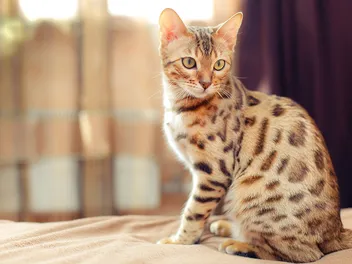
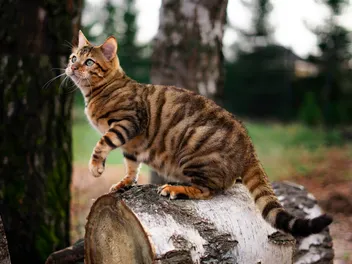
The popular Bengal cat is a gorgeous animal that's easily recognized by its spotted coat which is similar to its wild ancestor, the Asian Leopard cat1. The Bengal breed can have many coat patterns and a variety of colors.
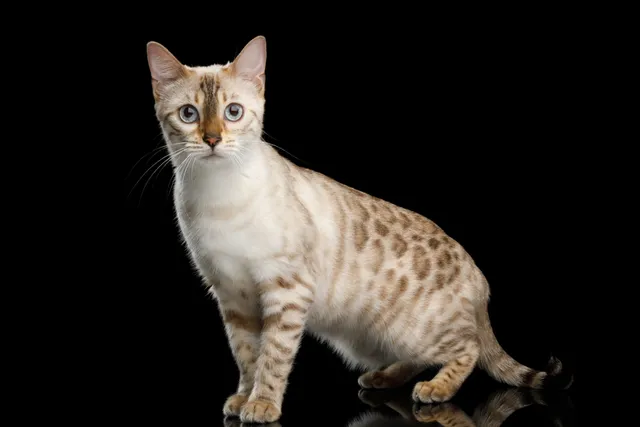
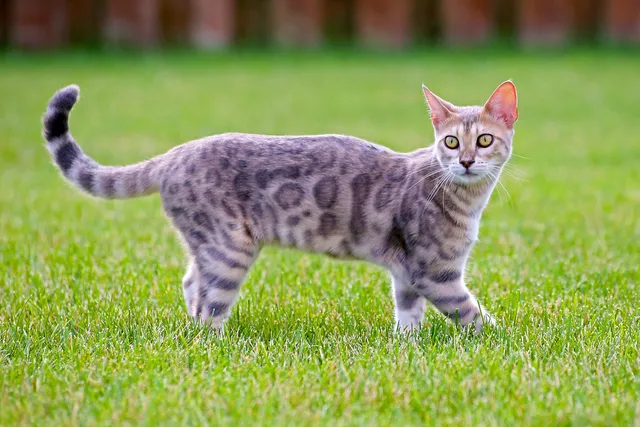
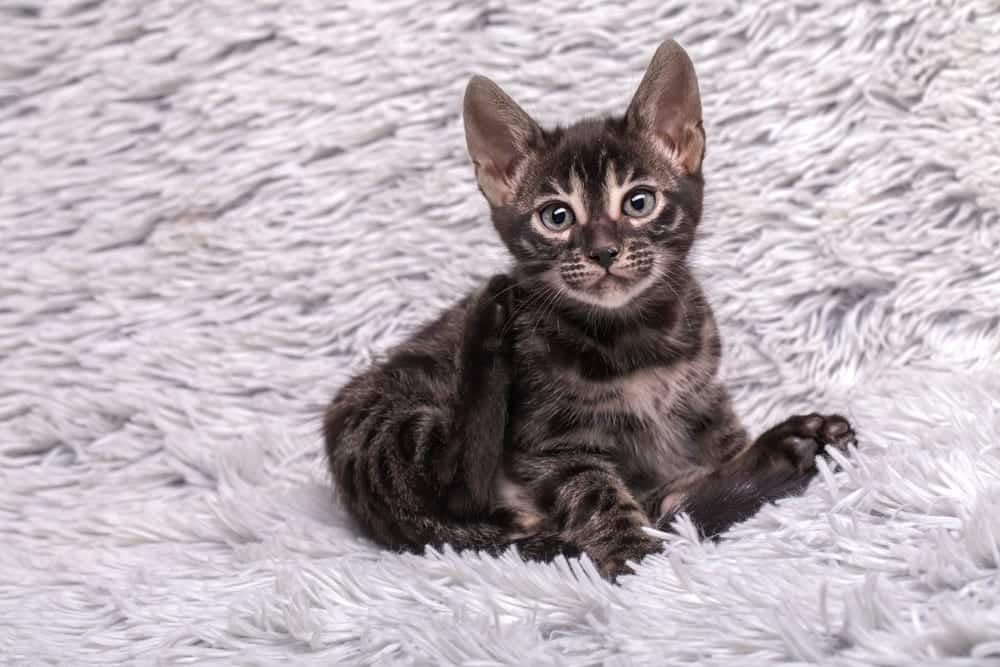
One of the most interesting Bengals is the Charcoal Bengal which comes in brown, silver, snow, and blue. Charcoal Bengals look as though they have a masking layer on top of their standard base coat. The Charcoal Bengal also has a dark face mask and a thick, dark dorsal stripe or cape that runs along its back.
The Charcoal Bengal’s coat characteristics are called “Zorro” markings. This breed’s coat consists of contrasting colors with inky black spots and white markings around the eyes that look like spectacles.
If you’re interested in owning one of these beautiful cats, continue reading to learn all about this breed.

The Earliest Records of the Charcoal Bengal Cat in History
Since the Charcoal Bengal originates from the original Bengal breed, this beautiful cat’s history started several decades ago with a US-based cat lover and geneticist-biologist named Jean Mill. Her goal was to breed a cat that looked like a wild jungle cat, but which had the sweet disposition of a pet.
Mill worked tirelessly to breed Asian Leopard cats with domestic cats. While other people were doing the same thing, Mill is credited with being the founder of the modern Bengal cat breed. It was in 1963 when Mill successfully crossed a domestic male cat with a female Asian Leopard cat, which was thought to be the first documented mating of its kind. It’s not known who first developed the Charcoal Bengal cat. However, it is known that Bengal breeders, while trying to replicate the exotic spotted Asian Leopard cat coat in domestic cats, sometimes ended up with hybrids with an unusual coat marking consisting of a darker face mask and a thick dorsal stripe.
This created a lot of excitement among Bengal enthusiasts who began trying to create their own charcoal-colored cats. So, you could say that the Charcoal Bengal was created purely by accident, but who knows!

How the Charcoal Bengal Cat Gained Popularity
Today, the beautiful Charcoal Bengal is a highly sought-after cat breed that people all over the world love. You can find breeders specializing in Charcoal Bengals in the US, Europe, and Asia. However, these breeders often have waiting lists for those wanting to buy kittens. Plus, the cost of Charcoal Bengals is relatively high due to this cat’s incredible beauty and wonderful temperament. It’s no wonder Charcoal Bengals are so sought after.
There’s no other domestic cat out there that looks as strikingly beautiful. Of course, that’s all a matter of opinion. With its appearance that imitates a big cat found in the wild, the Charcoal Bengal is a stunning beauty that has to be seen in real life to be truly appreciated.
Formal Recognition of the Charcoal Bengal Cat
For a Bengal to be considered a Charcoal Bengal, the cat must inherit one copy of the non-agouti gene (A) and one copy of the charcoal gene (APB)—one from each parent. The APB charcoal gene comes directly from this cat’s ancestor, the Asian Leopard cat. Charcoal Bengal cats can have gold, copper, or green eyes.
Unlike other Bengals, including the Brown, Snow, and Silver Bengals, the Charcoal Bengal is not recognized by The International Cat Association or the Cat Fanciers’ Association (CFA) This isn’t so surprising when you consider that the original Bengal cat, which is considered a feline hybrid, wasn’t accepted by the TICA as a recognized breed until the mid-1980s.
The goal of the original Bengal was to create a docile house cat with a richly patterned coat similar to wild jungle cats. With time, the Charcoal Bengal may indeed be given more recognition since this variety is growing in popularity due to its striking looks.

Top 5 Unique Facts About the Charcoal Bengal Cat
Charcoal Bengal cats are not only beautiful, but they’re also interesting animals. We’ve put together the following unique facts about Charcoal Bengals that we think you’ll enjoy reading.
Does the Charcoal Bengal Cat Make a Good Pet?
The Charcoal Bengal makes a wonderful pet for anyone willing to give this cat lots of attention. Like other Bengals, Charcoal Bengals have a strong need for attention and time.
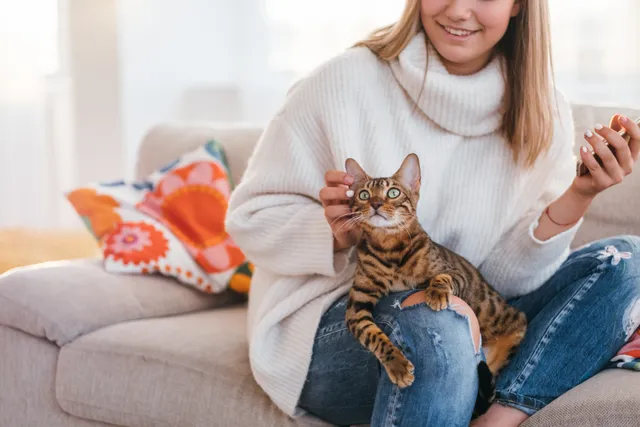
Because Charcoal Bengals don’t like being alone for long periods, this breed is best for people who are at home most of the day. It’s been said for a long time that all Bengals, including Charcoal Bengals, are the closest thing to owning a dog that a cat lover can find. These are intensely loyal cats that form strong bonds with their owners and follow their favorite people around the house. Charcoal Bengals are also very vocal animals that make plenty of noise when they feel they’re being ignored.
If you’re thinking of getting a Charcoal Bengal, you should know that these cats have lots of energy. They’re athletic by nature and love climbing and exploring. This means you need to have plenty of time each day to play with your cat to keep them occupied and out of trouble. Overall, owning a Charcoal Bengal is lots of fun and rewarding. They are completely charming, active, and vocal.

Conclusion
If you’re looking for a smart and loving domestic cat with a wild look, the Charcoal Bengal is a breed to consider. This is a gorgeous, short-haired cat that loves people. It’s also an intelligent feline that can be trained pretty easily.
They say a Charcoal Bengal is dog-like in many ways because it’s a people-oriented, loyal animal that loves spending time with its favorite humans. Just beware that these cats don’t come cheap, as they’re highly sought-after because they make wonderful pets!
Related Read: Gato Cat Breed Info: Pictures, Temperament & Traits
Featured Image Credit: Angela Kotsell Shutterstock
Expert cat care, straight to your inbox
News, insights, and useful advice, delivered to you.

No spam — unsubscribe anytime.
By signing up, you agree to our Terms & Conditions and Privacy & Cookies Policy.
How useful was this post?
Click a star to rate. You can leave written feedback afterwards. (We read all feedback.)

Christian started writing for a local newspaper as a teenager, and he's been involved in the publishing industry for most of his adult life. Combining his love of writing with a passion for animals, he is currently the Director of Editorial at Pangolia and the Editor-in-Chief at Catster.
Christian lives in the Philippines with his wife, son, and four rescue cats: Trixie, Chloe, Sparky, and Chopper.