How Many Hours Does a Cat Sleep? Vet-Reviewed Facts & FAQ


In this article
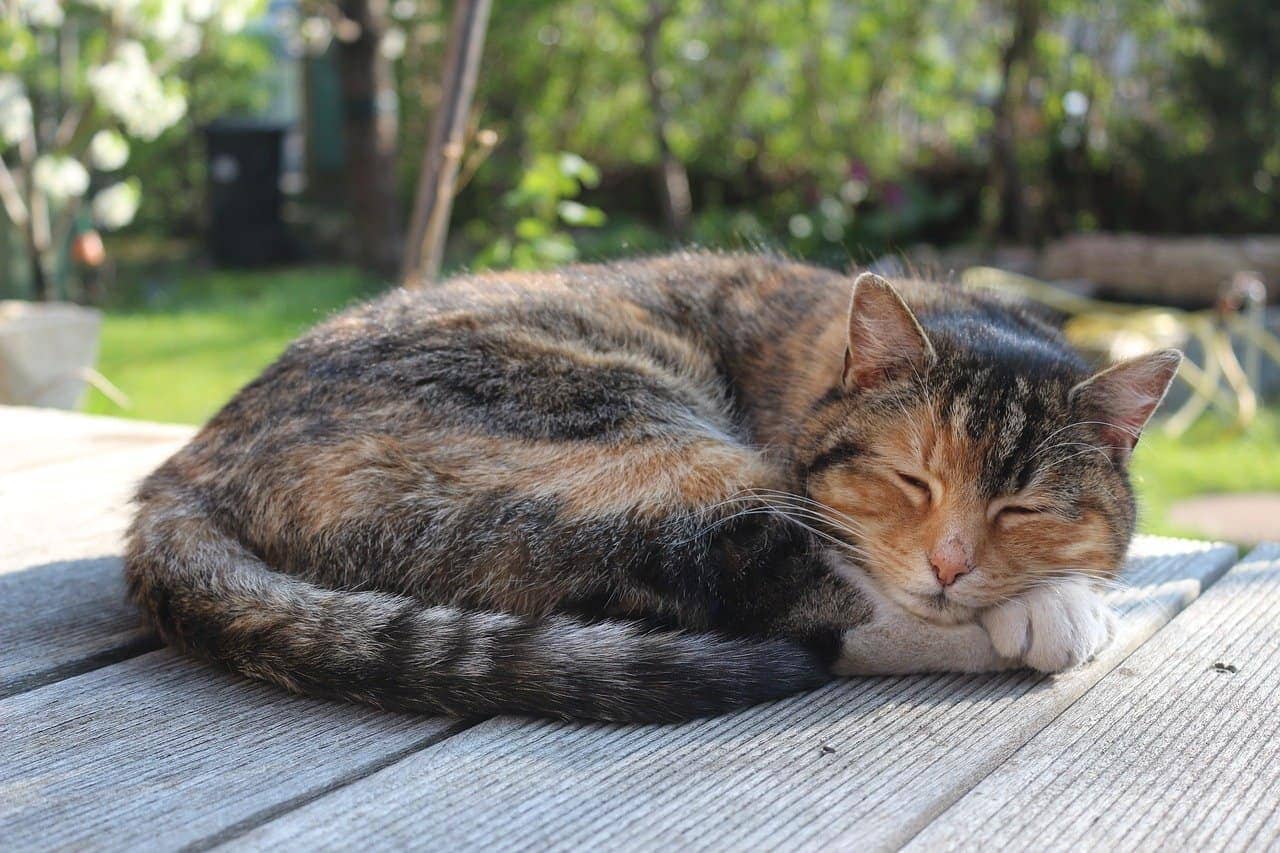
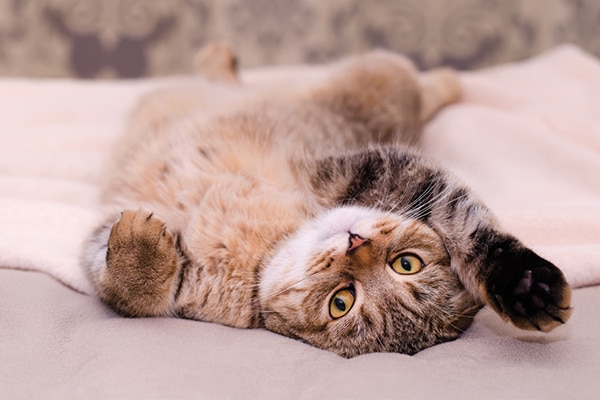
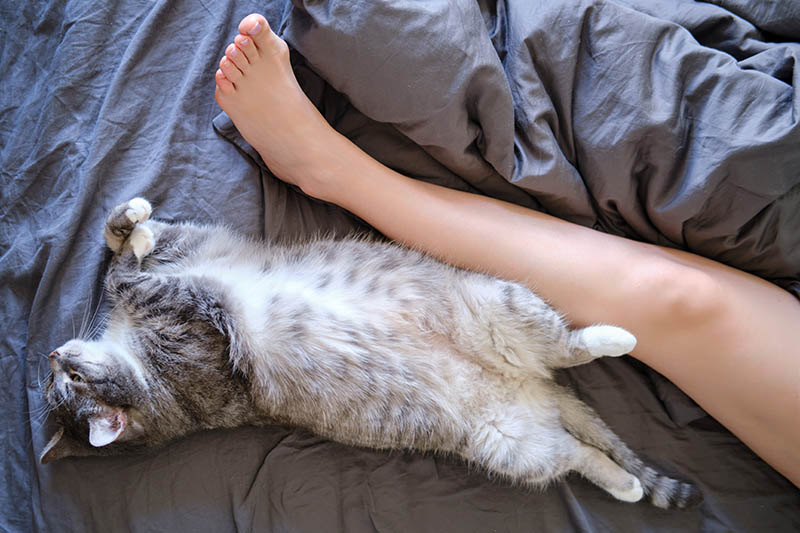
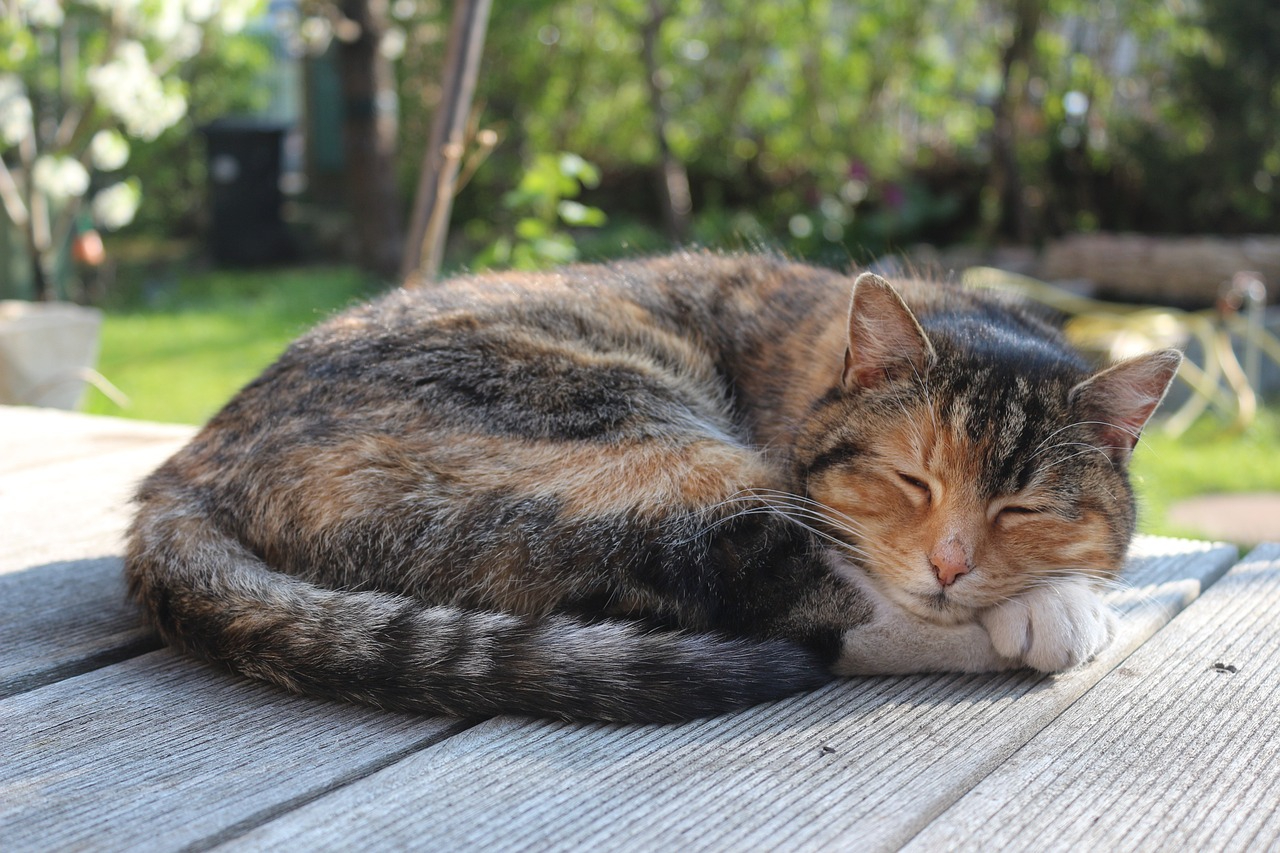
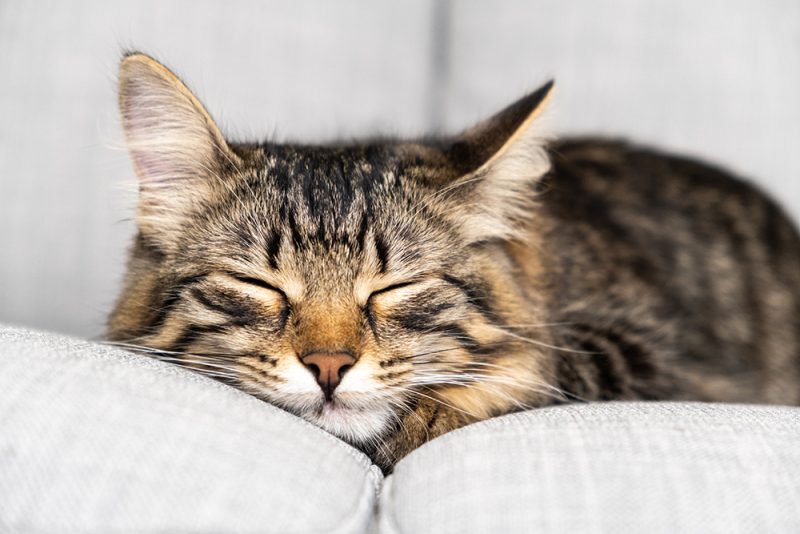
If it seems like your cat sleeps a lot, it’s probably because it’s true. Cats love nothing more than having a few cat naps throughout their day. The average number of hours a cat sleeps a day will vary depending on several different factors, including their age and breed. However, healthy adult cats can sleep from anywhere between 12 to 16 hours a day, where senior cats and kittens can sleep up to 20 hours.1
Cats have different sleeping habits than humans, and it can take new cat owners some time to get used to them. Getting enough sleep is vital to a cat’s health and well-being. So, if you’re ever concerned about your cat’s sleeping schedule, consult a veterinarian to determine if your cat’s getting just the right amount of sleep.

Average Hours of Sleep for Kittens and Cats
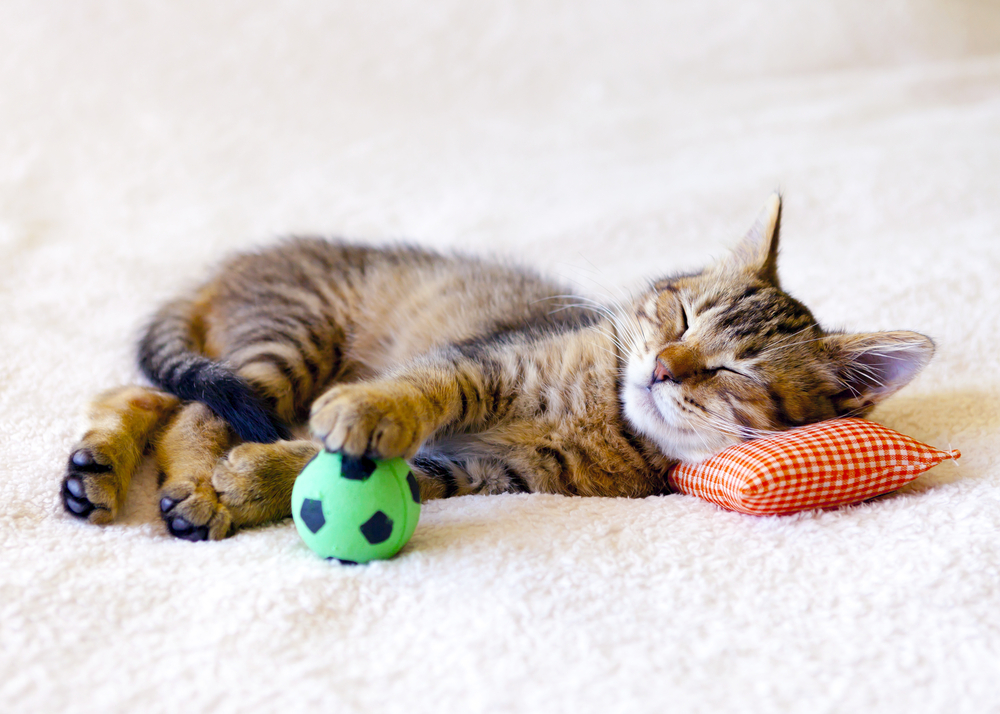
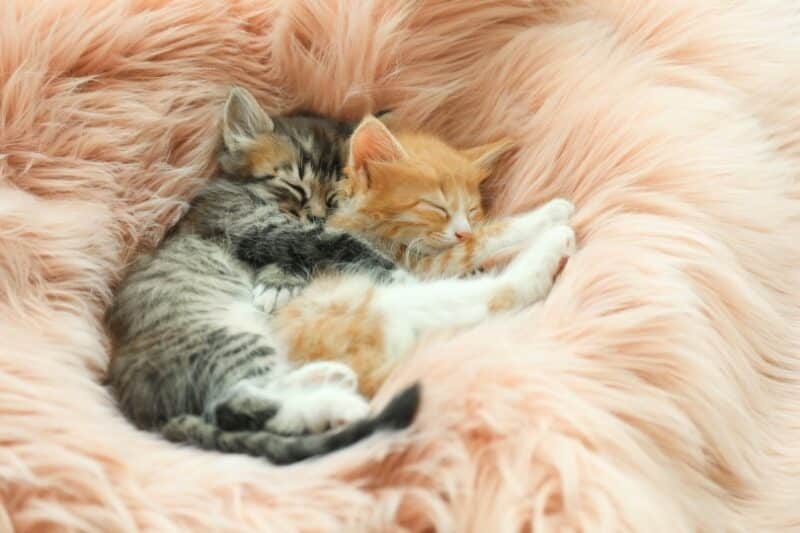
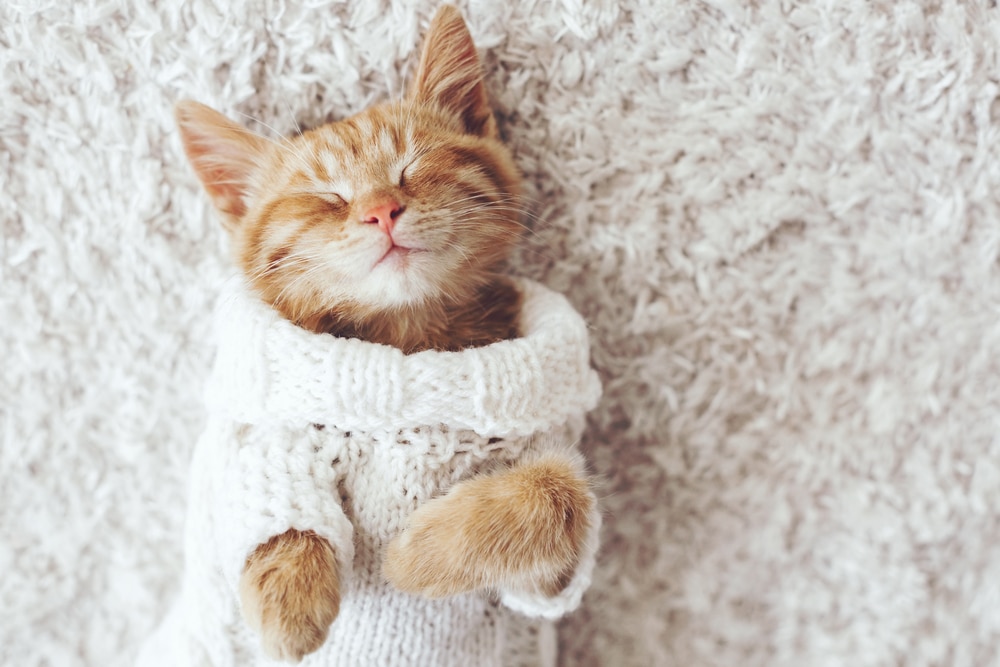
The amount of sleep a cat gets in a day can vary depending on their age. In general, young kittens tend to sleep more than adult cats. They can sleep for about 20 hours a day.2 During the hours they’re awake, they’re usually extremely active, curious, and playful.
By the time a kitten reaches young adulthood, they require less sleep and will sleep between 12 to 16 hours. The number of hours they sleep will increase again when they start to reach their senior life stage. Senior cats tend to sleep more and move around less, especially as they start to experience mobility loss and other age-related health issues.
It’s important to note that cats don’t sleep for multiple consecutive hours at a time throughout the day. They usually sleep for a little over an hour and will engage in some sort of activity before taking another nap. Their sleep is broken up at various parts of their day, and the cumulative amount of sleep they get per day adds up to about 12 to 16 hours.

Why Do Cats Sleep So Much?
Cats and humans have different sleep patterns. Most humans are monophasic sleepers, which means that we’ll sleep for one long period, typically at night. In contrast, cats are polyphasic sleepers. This means that they sleep for shorter periods of time throughout the day and night.
It’s believed that polyphasic sleeping is beneficial for survival because it enables cats to get rest without falling into deep sleep and being easy prey for natural predators. In the wild, cats will also consume a lot of energy during their waking hours because they’re usually hunting for prey. They have to engage in strenuous activities, like climbing trees and pouncing. So, it’s important for them to get enough rest in between to be able to have enough energy for their next hunt.
You may also notice that your cat is most active during sunrise and sunset. This is because they’re crepuscular animals, and these times of day are when they naturally feel energized and ready to hunt and explore.
When to Be Concerned
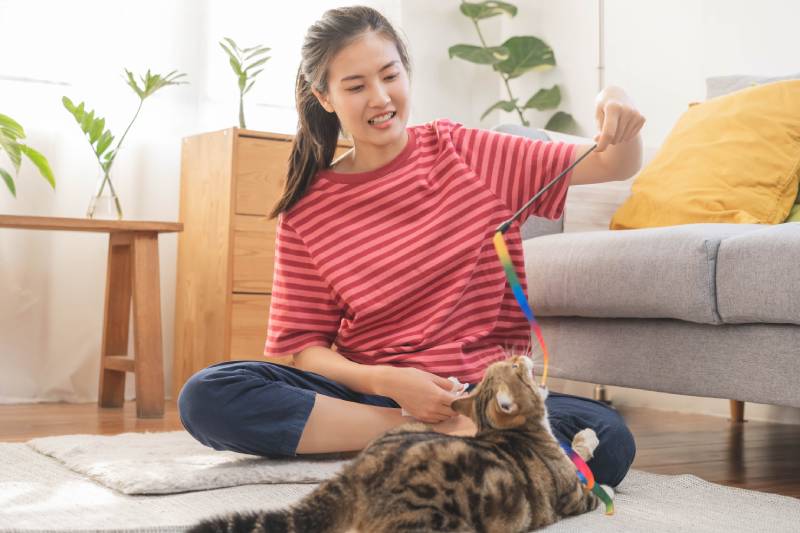
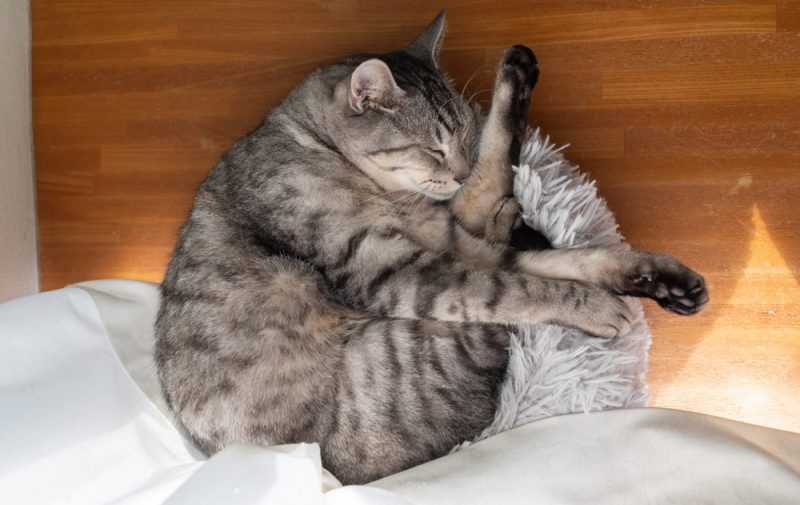
Since sleep is essential to your cat’s well-being, it’s important to familiarize yourself with your cat’s sleep patterns. While cats do sleep a lot more than most humans, sometimes they may sleep too much. Sometimes, cats will oversleep if they’re bored and under-stimulated. Boredom is a significant wellness issue, as bored cats are susceptible to developing behavioral issues, including destruction, over-grooming, and depression. It’s important for cats to get plenty of exercise, mental stimulation, and social interaction every day to keep them happy and healthy.
Sometimes, increased sleep can indicate an underlying health issue or an injury. Injured cats may sleep or rest more to recuperate from their injury and because they’ve lost some mobility. Many health issues, such as hyperthyroidism, diabetes, cancer, kidney disease, heart disease, and liver disease, can also cause increased sleep or changes in sleep patterns.
If you notice any sudden changes in your cat’s sleep patterns, it’s best to consult a veterinarian. The veterinarian can complete a physical exam on your cat and run additional diagnostic tests to diagnose any underlying health issues that may be causing sleep. They can also let you know if the increased sleep is simply due to aging.
Conclusion
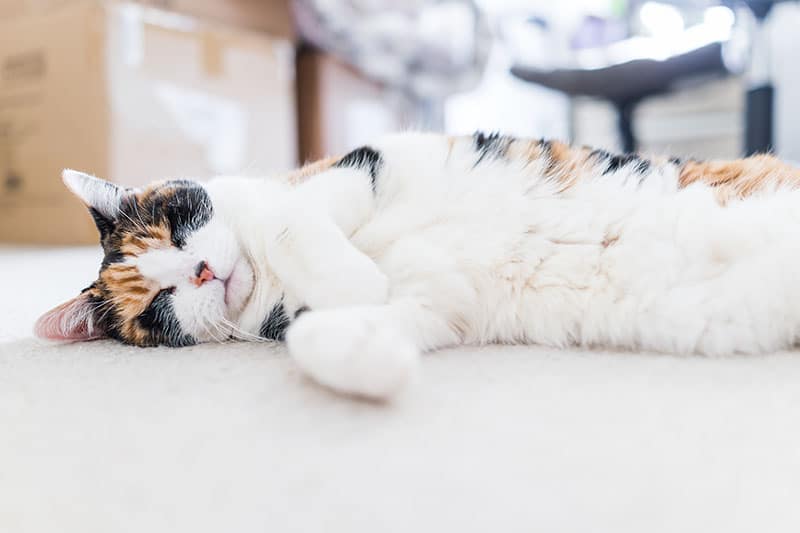
Cats spend about half their day napping or sleeping. Their sleep is usually distributed at various parts of the day, and it’s common for them to nap after they’ve expended their energy from exercising or playing. Since sleep patterns can help you keep track of your cat’s health, make sure to keep an eye on your cat’s sleeping habits. This will help you to act as quickly as possible if they need veterinary care.
Featured Image Credit: Garna Zarina, Shutterstock

Expert cat care, straight to your inbox
Vet-reviewed advice, behavior tips, and the best of Catster. Free, and you can unsubscribe anytime.
By signing up, you agree to our Terms & Conditions and Privacy & Cookies Policy.
Jessica is a freelance writer who spends most of her day researching and writing while her fluffy Cavapoo, Nora, naps beside her. She loves and appreciates pets and animals because there’s so much to learn from them, and they do so much for people. As a dog owner, she understands the special connection that pet owners form with their pets. She loves sharing helpful information that people can use to better understand their pets. When she’s not writing, you can find her walking dogs, tending to her plant babies, or drinking her nth cup of coffee.
Join the conversation
Ask a question, share your story, or send private feedback.