Do Cats Eat Their Own Poop? Vet-Verified Facts & How to Stop It


In this article
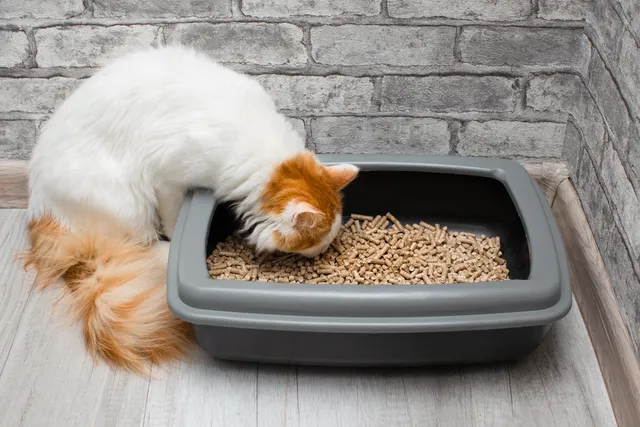
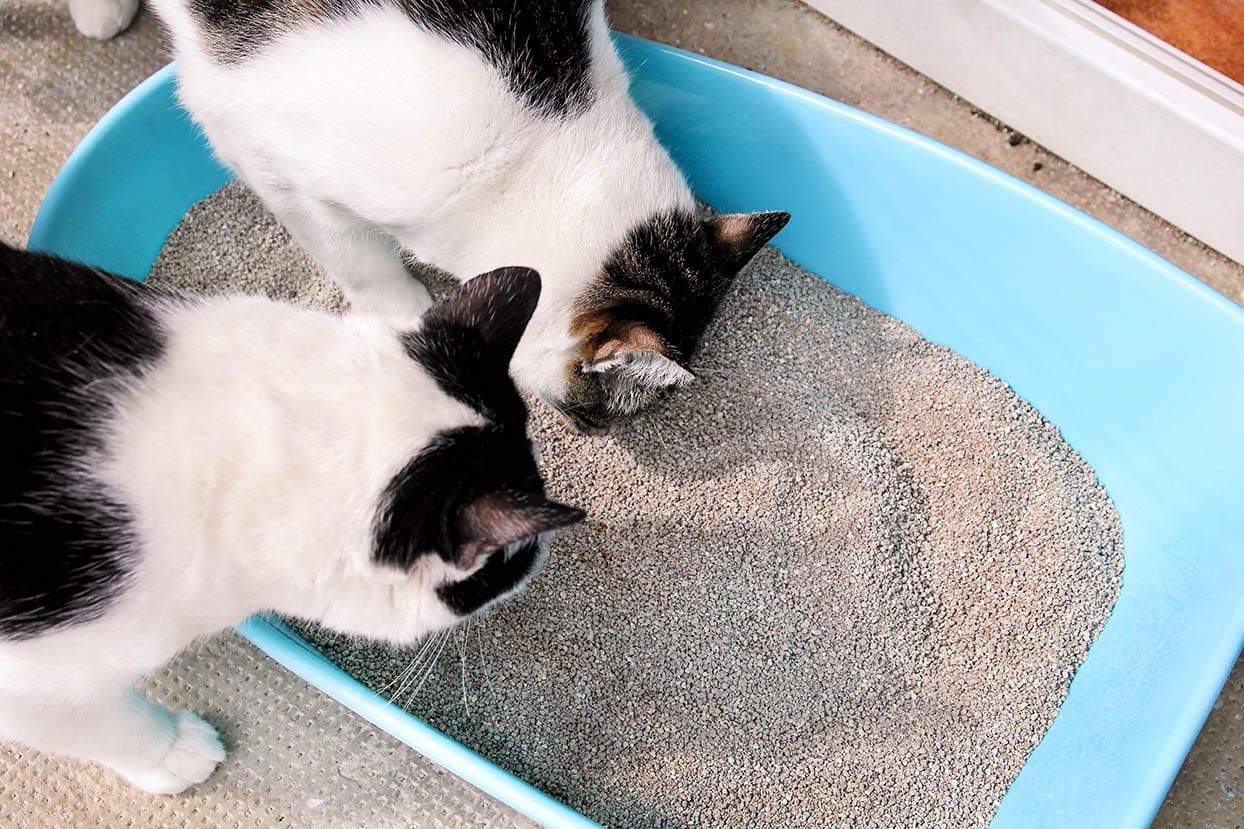
Cats are curious creatures, and we may see them sampling various non-edible things, including houseplants, cardboard boxes, and our toes. Many animals eat their feces to digest maximum nutrients, but do cats eat their own poop too?
Cats do not normally engage in coprophagia (eating feces), but some exceptions exist. Mother cats lick their babies and eat the feces of their young for the first weeks of their lives to keep them clean and stimulate them to poop on their own. On other occasions, it is not normal for cats to eat their feces, which signals a physical or mental imbalance.

A Biological Drive
There are only two instances where your cat eating feces can be considered normal:

Mother Cat
A mother cat will stimulate her young to urinate or defecate by licking their genitals. This behavior is linked to survival in the wild. Cats bury their feces away from their living space to cover their scent from nearby predators. Mother cats remove kitten feces while still in the den to hide their scent.
Kittens are particularly vulnerable, especially in the first 30 days. Cats leave their kittens alone for periods to go hunting, and she wants to ensure they stay hidden and safe.
Kittens
As the kittens begin to explore and wean off milk, they encounter a wide range of bacteria. Kittens must build immunity and a beneficial balance of gut bacteria to withstand the spectrum of potentially harmful microorganisms they will ingest throughout their lives.
Ingesting microbes in the first few weeks of life can contribute to a richer intestinal flora. This behavior may continue as the kittens grow, but they should naturally grow out of it within weeks.
Risks of Coprophagia in Cats
If cat poop benefits cats at certain stages of their life, why don’t they eat their poop all through their life? While one-off ingestion of feces should not cause much harm to your cat, there are health risks if a cat engages in coprophagia frequently.
For example, if the feces in question belong to a medicated cat, the poop contains remnants of the drugs. It’s rare for cats, but it is a genuine concern for dogs who eat poop more often.
Eating poop also puts your cat at a higher risk of contracting parasites or worsening a current infection. Intestinal parasites spread from animal to animal by shedding eggs through feces, which hatch in the digestive system.
Eating feces exposes your cat to the parasites. They can perpetuate the cycle if they eat their feces already infected with mild parasites.

Why Does My Cat Eat Their Own Poop?
A cat’s poop-eating behavior may mean you have to clean the litter box less, but this “bonus” is not worth the risks. To stop the behavior, you first need to identify the cause, and the process may take some time and close observations. However, you can contact your vet to help you pinpoint the issue.
Nutritional Deficiency
Many animals that engage in coprophagia are herbivores that redigest dense plant matter to increase nutrient absorption. They are usually hindgut fermenters, meaning the plant matter has already passed through the absorption site before fermentation (unlike sheep, who ferment plant matter before digesting it).
It’s not normal for cats to eat poop for nutritional reasons due to their diet and digestion type. However, eating poop may be a sign that they lack nutrients. A vet visit for a health screening and diet adjustment can rectify the condition.
Other signs of nutritional deficiencies include:
Parasites
Coprophagia may be a sign of an internal parasite burden. The parasites leach nutrients from the digestive tract and cause malnutrition despite adequate food consumption. Your cat may be searching to supplement their diet as they struggle to maintain their condition.
Some theories for dogs also suggest that individuals with parasites eat their feces to prevent younger or more vulnerable members of the pack from becoming infected. This is not substantiated, but it is something to consider if your cat has kittens nearby that they are trying to protect.
Speak to your vet about a standard fecal parasite count of your cat’s poop to test for parasites.
Other signs of parasites include:
Illness or Disease
Some diseases can cause extreme hunger in cats. With the lack of an alternative, a desperate cat may turn to anything they can find, including their poop. Common causes of extreme hunger include:
- Diabetes
- Hyperthyroidism
- Intestinal cancer
- Cushing's disease
As always, contact your vet to investigate your cat’s health.
Behavioral
Abnormal fecal consumption in cats may be attributed to behavioral reasons. Undue stress or anxiety can cause such strange behaviors. Coprophagia because of stress may be due to:
- Fear of being punished for defecation. If you have punished your cat for pooping in the house, they may feel compelled to “hide the evidence” in a similar accident.
- Submission to another pet. Cats hide their poop to cover their scent from potential threats. In social groups, they will also do it to submit to more dominant individuals. Anxiety around other animals may cause cats to eat their poop.
- A learned behavior. If this unfortunate behavior is formed under times of stress, even once the stressor is removed from your cat's life, it can be hard for them to break the habit. Psychological damage is hard to reverse.
How to Stop Your Cat Eating Poop
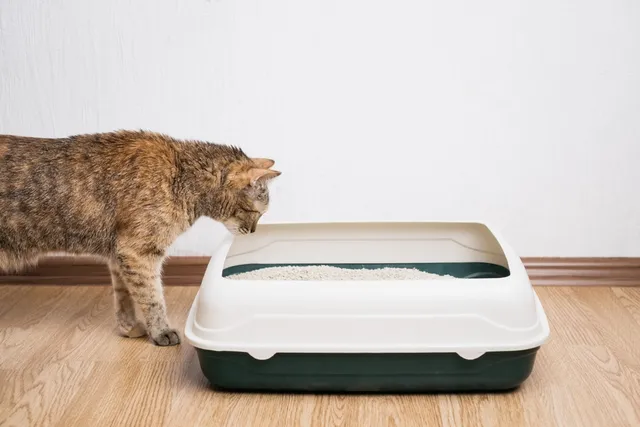
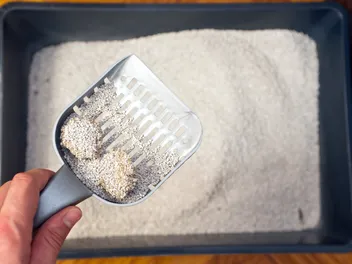
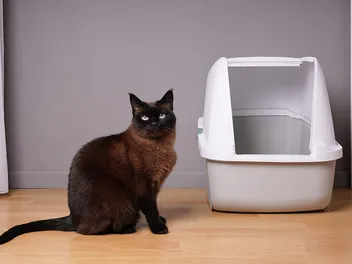
- Clean the litter box often, or consider investing in an automatic litter box.
- Visit the vet regularly for health checks.
- Ensure you provide a balanced diet to meet all nutritional needs.
- Slow down their eating to optimize food digestion.
- And most importantly, don’t punish your cat. The further emotional damage can worsen the issue.

Final Thoughts
Overall, your cat eating poop is not normal. Luckily, your veterinarian can help you decipher the issue’s root cause, whether physical or behavioral. Consuming feces frequently can harm your cat and cause gastrointestinal problems. However, don’t be alarmed if your mother cat or her kittens are eating poop. This behavior is an evolved survival trait for vulnerable young cats.
Featured Image Credit: Zoran-Photographer, Shutterstock
Expert cat care, straight to your inbox
News, insights, and useful advice, delivered to you.

No spam — unsubscribe anytime.
By signing up, you agree to our Terms & Conditions and Privacy & Cookies Policy.
How useful was this post?
Click a star to rate. You can leave written feedback afterwards. (We read all feedback.)
With an early start in the veterinary industry and as a conservation educator at Disney’s Animal Kingdom in Florida, Sophie has since been a successful Zookeeper and Conservationist, specializing in native New Zealand species. When she’s not bird watching in native forests or crawling through the underbrush at midnight searching for rare frog species, she can be found with her farmer husband on their sheep and beef station, far from civilization. Alongside them, they have 2 cats, 9 chickens, and 11 dogs (most notably, her sidekick, a black Labrador aptly named Jellybean). Sophie enjoys her writing career as it provides opportunities to help and support pet owners of all kinds to give animals the best welfare possible. The only downside is the long list of strange searches in her internet history!