Flame Point Ragdoll Cat Breed: Info, Pictures, Temperament & More


In this article
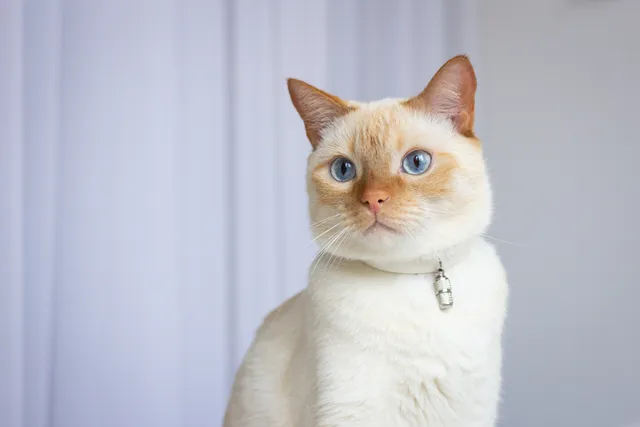
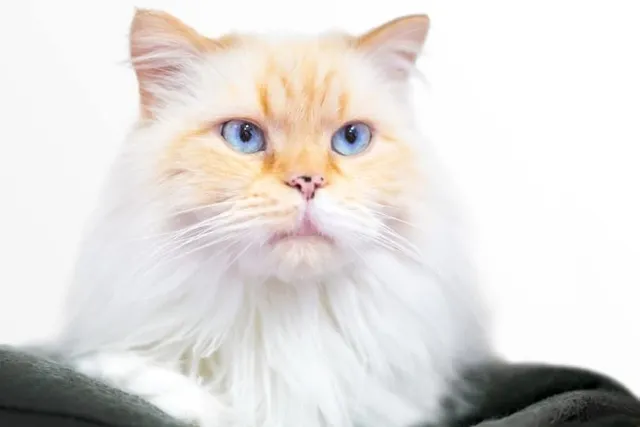
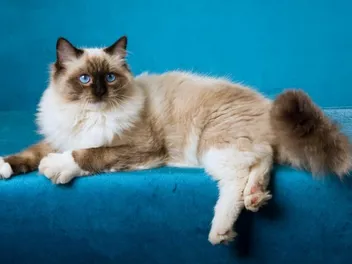
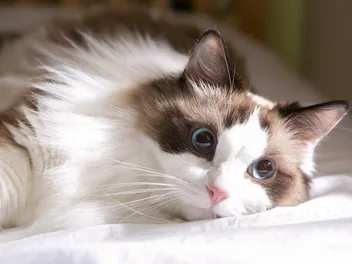
The Flame Point Ragdoll (aka the Red Ragdoll) is one of the largest cat breeds in existence. These sweet cats are mild-mannered and low-key, but they tend to be more dependent than most other cat breeds. They are reserved and will likely hide under furniture or in a corner when strangers visit their home. Yet, these gorgeous kitties have a curious side that makes them playful when spending time around children.
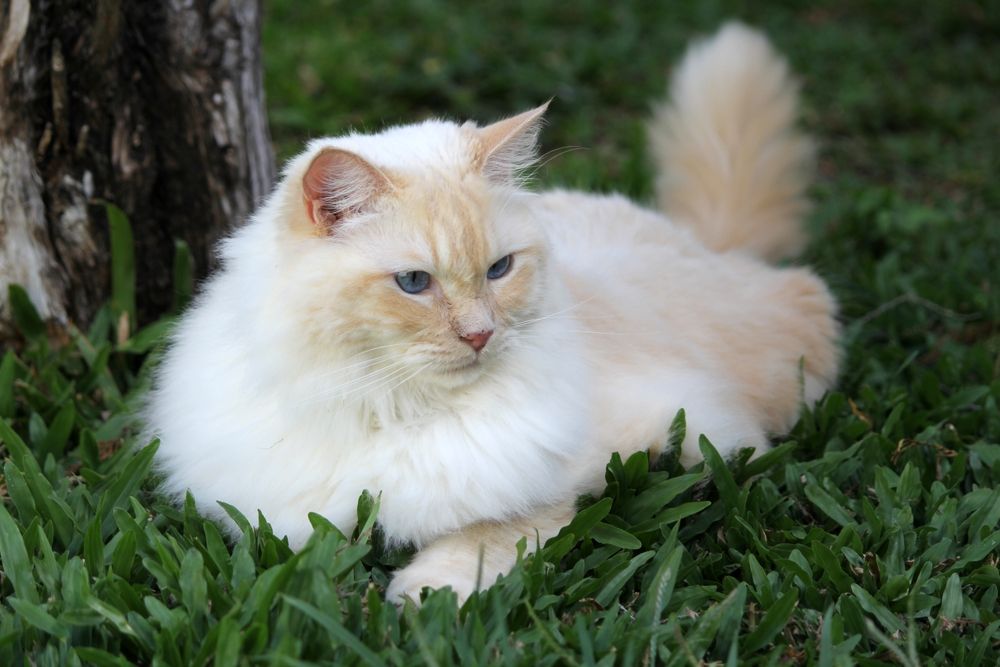
For the most part, Flame Point Ragdolls stick to their human family members like glue, and they do not appreciate being left at home alone for long periods. With beautiful long cream hair with red and orange markings on the ears and sometimes the tail, mask, or legs, this breed has no undercoat, so they generally shed less than many double-coated breeds. Unlike other cats with longer hair, this breed’s hair does not mat up easily, so they do not require rigorous grooming every day.
Breed Overview
Height:
Weight:
Lifespan:
Colors:
Suitable for:
Temperament:
Overall, these are sweet cats that love the company of humans and are not destructive or noisy, which makes them a great pet option for low-key households looking for a cuddly new kitty to add to the family roster. If you are interested in adopting a Red Ragdoll, keep reading to learn all you need to know about this impressive cat breed.
Flame Point Ragdoll Characteristics

Flame Point Ragdoll Kittens

Flame Point Ragdoll kittens are cute and cuddly, and they tend to stay that way as they grow to adulthood. Here are a few basic things you should know before deciding whether to get one of these cats for your very own.
3 Little-Known Facts About The Flame Point Ragdoll
1. They Are Usually All White When They Are Born
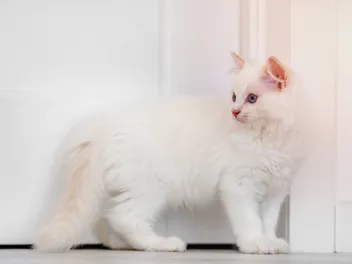
Flame Point Ragdoll kittens are typically all-white when they are first born and for the first weeks or months of their life. As they age, their red and orange markings will start to slowly appear until the markings are fully formed by the time they reach full maturity.
2. They Are Very Dependent
These cats typically form strong bonds with their human family members and tend to stay close to their human family members whenever possible. Therefore, they are not the best pet option for households where people are never home or are too busy to provide much attention.
3. They Can Grow as Big as or Bigger Than Small Dogs
These are some of the largest cat breeds in the world and can weigh up to 20 pounds, which is even bigger than some small dogs, like Chihuahuas.

Temperament & Intelligence of the Flame Point Ragdoll 🧠
The Flame Point Ragdoll is an intelligent and loving cat that spends a great deal of time napping or snuggling with their family members. They can be independent thinkers, and many would prefer to play or cuddle rather than learn tricks. They do talk sometimes, but they are not nearly as talkative as other famously loud cats, like the Siamese.
Some individuals may be reserved around strangers at first, but will often come around and offer friendly greetings once they get familiar with them. They do enjoy playing with toys sometimes, but owners will most likely find their Red Ragdolls lounging on their beds or a couch in the living room.
Also called floppy cats, this breed is known for often relaxing and becoming noticeably limp when held, which can be alarming at first, but most owners find it endearing after they get used to it. These cats will not do well in busy households where commotion seems to always be going on. They prefer quiet, laidback atmospheres that do not require them to stay on alert.
Are These Cats Good for Families? 👪
This cat breed can get along well in a family environment if the environment is calm. They may choose to avoid overly rambunctious children but are happy to hang out with babies and older kids. They will not tolerate teasing and may scratch, hiss, or even bite if teasing takes place. Therefore, children should be taught to stay calm and to handle their Flame Point Ragdoll with care from the first introduction.
Does This Breed Get Along With Other Pets? 🐶🐱
The Flame Point Ragdoll can get along with other animals living in the same household if those animals are not aggressive. They are known for cuddling with their dog pals, and they can become quick friends with other friendly cats. While many Ragdolls are relatively easygoing around other pets, they still retain normal feline predatory instincts. Therefore, they should not be trusted unsupervised with hamsters, mice, birds, or other small pets, even if they appear to coexist peacefully.

Things to Know When Owning a Flame Point Ragdoll
There are still a few things to know before ultimately deciding whether this is the right breed for your family and household.
Food & Diet Requirements 🐡
Like all cats, the Red Ragdoll is a carnivore and requires animal protein to survive, let alone thrive. While cats have no nutritional requirement for grains and have specific nutritional needs that are most readily met through animal-based ingredients, properly formulated cat foods can include ingredients such as fruits, vegetables, and grains. Therefore, whatever wet or dry food these cats are offered should include a high-quality source of animal protein as one of the primary ingredients.
Exercise 🐈
In general, the Ragdoll cat is typically considered a relatively low-activity breed. They often require less activity than some more energetic breeds, but they still benefit from regular opportunities for play, climbing, exploration, and environmental enrichment. These cats should be provided with a cat gym, a scratching post, and interactive toys to keep them busy when they are not feeling lazy and to keep them from becoming overweight as they age. Regular interactive play sessions can help maintain a healthy body weight and provide mental stimulation.

Training 🧶
Although Flame Point Ragdolls are intelligent and can be trained to do things like come, sit, and stay, individual cats vary in their interest and motivation for training. With commitment and patience, they will learn what you want them to. However, these cats do not require extensive training to be well-behaved companions. They tend to laze around and stay out of trouble for the most part, anyway.
Grooming ✂️
One thing that is unique about Red Ragdoll cats is that they do not have an undercoat, which minimizes the amount of hair that they shed as time goes on. However, this is not to say that this breed does not shed. You should brush your Flame Point Ragdoll two or three times a week to ensure that hair does not end up all over your floor and furniture.
Brushing will also help keep matting to a minimum. If mats do develop, they should be carefully worked apart or removed with appropriate grooming tools, and severe mats may require professional grooming assistance. Their nails may need to be clipped once a month or so to keep them from cracking, splitting, and becoming dangerous to others. These cats are great self-groomers, so they should rarely need a bath, if ever.
Health and Conditions 🏥
While these cats are healthy overall, before adopting one, you should ensure that you are prepared to handle any health problems that might develop as your Flame Point Ragdoll ages.
Male vs Female
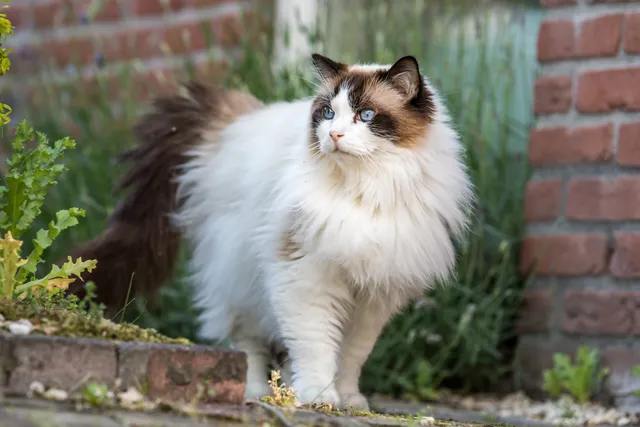
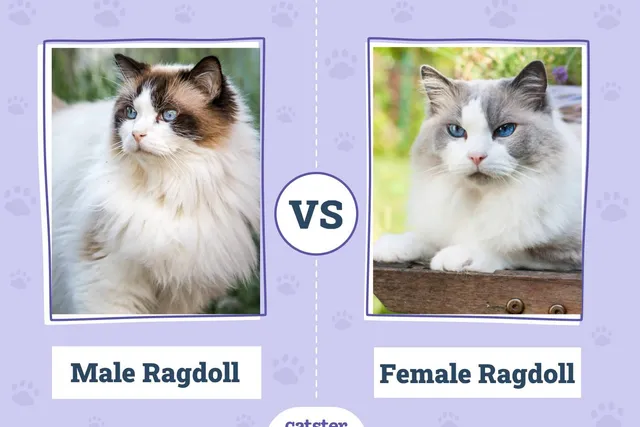
There are a few minor differences between males and females that should be noted before deciding which one to adopt. But it is important to acknowledge that the small differences should not impact the love, affection, and mild-mannered attitude that any of these cats have to offer. Male Ragdolls are typically larger than females, which is the most consistent difference between the sexes. Both sexes are typically affectionate, laidback, and cuddly, though individual personalities vary.
Final Thoughts
These cats are amazing in that they can teach us patience and understanding in our busy lives. The Flame Point Ragdoll is gorgeous, generous with their time, and loyal almost to a fault. They need and deserve attention all day long, so they should be placed in homes where someone is home most of the time. They require less grooming than many other long-haired cats, and they are not as active as most breeds, which makes them easy to take care of. What is your favorite characteristic of this awesome cat breed? We want to know what you think! Feel free to share your thoughts with us in the comments section below.
You might be interested in:
Blue Point Ragdoll Cat Breed Info: Pictures, Temperament & Traits
Ragdoll Munchkin Cat Mix: Pictures, Info, Temperament & Traits
Featured Image Credit: Tammy27, Shutterstock
Expert cat care, straight to your inbox
News, insights, and useful advice, delivered to you.

No spam — unsubscribe anytime.
By signing up, you agree to our Terms & Conditions and Privacy & Cookies Policy.
How useful was this post?
Click a star to rate. You can leave written feedback afterwards. (We read all feedback.)
Christian started writing for a local newspaper as a teenager, and he's been involved in the publishing industry for most of his adult life. Combining his love of writing with a passion for animals, he is currently the Director of Editorial at Pangolia and the Editor-in-Chief at Catster.
Christian lives in the Philippines with his wife, son, and four rescue cats: Trixie, Chloe, Sparky, and Chopper.