Zyrtec for Cats: Dosage, Uses & Side Effects (Vet Answer)


In this article
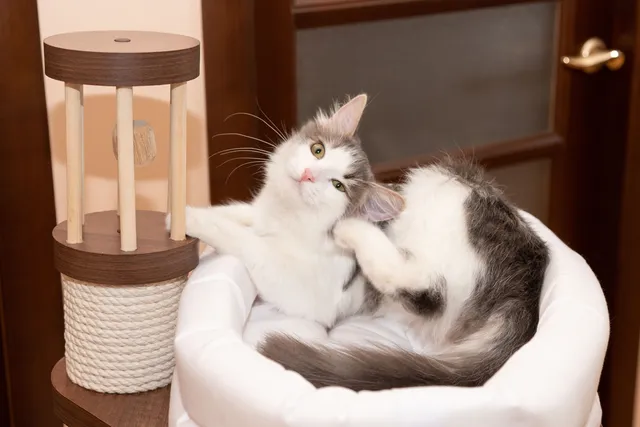
Allergies in cats can sometimes have the same symptoms as us – watery eyes and nose, mild congestion, and sometimes coughing. More frequently, allergies in cats will manifest as itchy skin, redness, and/or swelling of the skin.
The brand name Zyrtec may sound familiar to you. It’s a common over-the-counter (OTC) allergy medication that many of us have taken in the midst of pollen season. But can cats take Zyrtec? Yes, Zyrtec can be given to cats, but it’s important to consult your veterinarian before giving Zyrtec to your cat. In this article we’ll discuss what Zyrtec is, if and how you can give it to your cat, and potential side effects that your cat may experience.

What Is Zyrtec?
Zyrtec is the brand name for the drug Cetirizine HCL (Cetirizine Hydrochloride). Zyrtec is an antihistamine allergy medication. When your cat’s body reacts to an irritant and/or an allergen, the body will release histamine. This is a natural substance that occurs and can be released with no problems. With allergies and/or an allergic reaction, excessive histamine can cause itching, redness, and sometimes swelling. Antihistamines work by blocking histamine from attaching to certain cell receptors that then cause the effects listed above. Zyrtec is in the class of antihistamines that are classified as an H-1 blocker.

How Is Zyrtec Given to Cats?
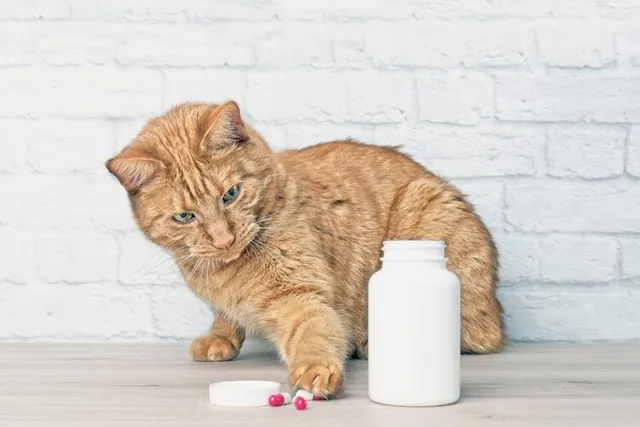
Zyrtec is given orally. If your veterinarian recommends you give the OTC product, it comes as a tablet, chewable tablet, gelcap, or a children’s formula liquid. The gelcap will likely not be recommended due to the dosing your cat needs. If your cat is difficult to give medication to, your veterinarian may also have the medication compounded. This means that a compounding pharmacy will make the medication into different forms than what is available OTC and can also make it flavored.
Zyrtec can be given to cats every 12–24 hours, or once to twice a day. It does not have to be given with food, though giving a cat medication can be extremely difficult. Sometimes giving it in food can be much easier as your cat may eat it more easily in a snack such as tuna. Giving Zyrtec with or without food will not alter its effectiveness.

Zyrtec Dosage for Cats
So how much Zyrtec should you give your cat? First, It’s important that you know their current weight. Depending on the weight of your cat, the dosing for Cetirizine is 1 mg of Zyrtec per 1 kilogram of your cat’s body weight. Typically, this will be 2.5 mg to 5 mg total. However, make sure to check this with your veterinarian as they may recommend a different dose.
What Happens If You Miss a Dose?
The best part is that there are no serious side effects if a dose is not given, or if your cat just won’t allow you to give them the medication. Zyrtec is not a medication that has to be weaned up or down in order to be effective for your cat.
It’s worth noting that significant allergies in cats are often not affected by OTC antihistamine products. In other words, you will not notice any improvement in the allergy symptoms if your cat has significant allergies. If you are regularly giving your cat the recommended dose of Zyrtec, and both you and your veterinarian are not noticing an improvement in their allergy signs, it may not work for them. At that time, you should discuss other options with your veterinarian.
Potential Zyrtec Side Effects in Cats
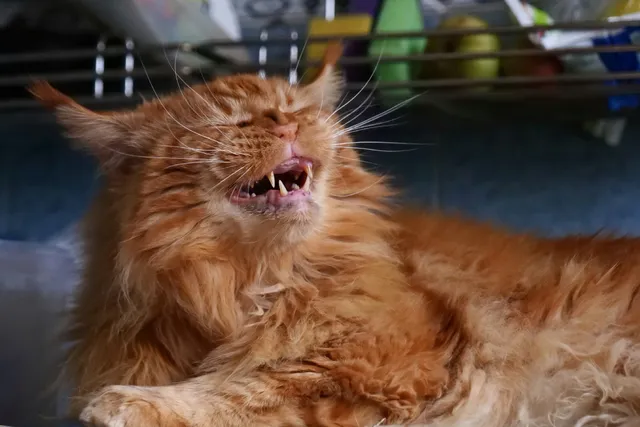
In general, cats can be very stubborn and dramatic when getting any medication. Zyrtec does not have any common side effects, but some cats will spit, drool, foam at the mouth, and be dramatic simply because they are being medicated.
Mild drowsiness is possible, especially with smaller cats, but does not always occur.
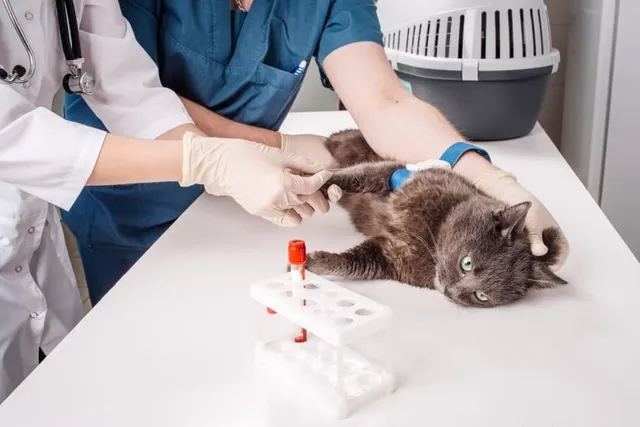
If your cat has underlying liver and/or kidney disease, your veterinarian may recommend a lower dose and/or a less frequent dose. This is because it may take your cat longer to process the medication if they have the existing conditions.


Frequently Asked Questions (FAQ)
Can I Give My Cat Zyrtec D?
No! This can be extremely harmful and potentially deadly for your cat. The “D” in the name stands for decongestion, and this formula contains the drug pseudoephedrine. Pseudoephedrine can be extremely harmful to dogs and cats, and can be highly fatal. Never give your cat or dog any medication containing pseudoephedrine unless explicitly prescribed by your veterinarian.
Is Zyrtec Effective?
Zyrtec can be effective for mild pruritus (itchiness) in your cat. However, for severe underlying allergies, OTC medications are often not enough. Your cat may need a new diet, appropriate flea preventative, prescription allergy medications, or steroids to completely stop itching.

Conclusion
Allergies in cats are most frequently seen as itching skin. Over-the-counter antihistamines can sometimes be helpful in relieving some of the most common symptoms of allergies. Zyrtec is one of these common OTC medications that can be given. It comes in oral form and should be dosed based on your cat’s current weight and your veterinarian’s recommendations based on that weight.
Zyrtec is given as an oral medication either in tablet or liquid form, or your veterinarian may have a compounding pharmacy make the medication into a different form. There are very few side effects aside from occasional drowsiness. It’s important that you never give your cat Zyrtec-D, and you are aware that any OTC antihistamine may not be effective. Always work with your veterinarian for their best recommendations.
Sources
Featured Image Credit: Purricious, Shutterstock
Expert cat care, straight to your inbox
News, insights, and useful advice, delivered to you.

No spam — unsubscribe anytime.
By signing up, you agree to our Terms & Conditions and Privacy & Cookies Policy.
How useful was this post?
Click a star to rate. You can leave written feedback afterwards. (We read all feedback.)
Dr. Kim Podlecki DVM (Veterinarian)
A graduate of The Ohio State University College of Veterinary Medicine, Dr. Podlecki has more than 12 years of experience working with small animals in the United States. Dr. Podlecki worked almost exclusively in emergency and specialty medicine for more than 10 years before transitioning to relief in both general practice and ER. Dr. Podlecki also owns her own consulting company (renewvetconsulting.com) with the focus of helping veterinary hospitals prioritize their staff to promote a healthier internal culture.