Chlamydia in Cats: Our Vet Explains the Signs, Prevention & Treatment

In this article
You’ve probably heard about chlamydia, but maybe not in reference to your feline friends. In kitties, chlamydia infections often take on the form of an ocular disease, commonly affecting the eyes and sometimes the respiratory system, occasionally causing pneumonia. In fact, Chlamydia felis is the most common infectious organism found in feline conjunctivitis, otherwise known as pink eye.
So, what does chlamydia look like in cats, and how can you protect your furry family member? We get to that and more here!

What Is Chlamydia in Cats?
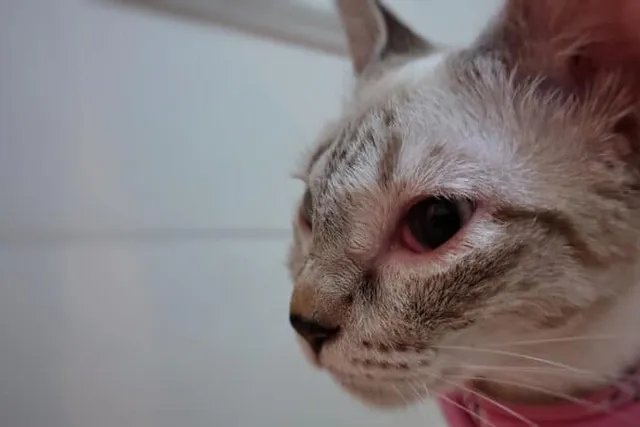
Chlamydia refers to a group of bacteria that includes about 14 different members. These bacteria are responsible for several diseases, not only in cats but also in humans, livestock, and even wildlife. While many chlamydia members are capable of infecting cats, the main culprit is Chlamydia felis. This common unwanted guest presents in cats as red, watery eyes and/or a case of the sneezes. So, while conjunctivitis in cats may seem like a fairly benign issue that rarely causes serious problems, it is one of the most common reasons that cats visit the veterinarian.
Also, chlamydia has been found in healthy cats and those with conjunctivitis. Kitties that happen to develop issues from these bacteria tend to be those of the younger persuasion.

What Are the Signs of Chlamydia?
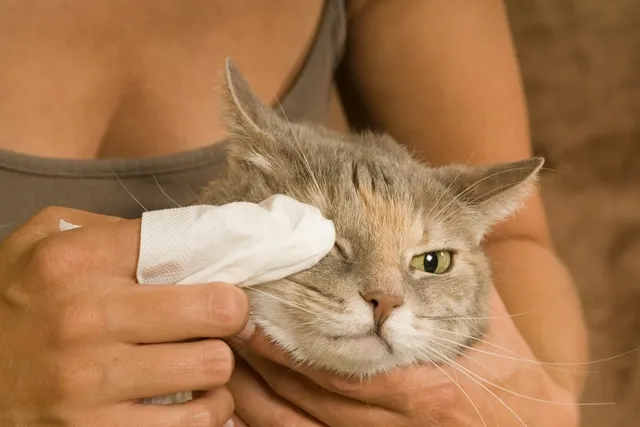
Chlamydia typically presents as conjunctivitis, or the inflammation of the conjunctiva, which is a thin lining that covers the inside of both eyelids and the white part, or sclera, of the eye. It’s in charge of protecting these structures.
When it gets inflamed, you may see:
For most cats, this is when treatment starts and the infection is stopped. Kitties tend to continue eating and feel normal, minus the discomfort in their eyes. However, untreated chlamydia may progress within a few days to further respiratory signs that include sneezing and a runny nose. These signs tend to be fairly mild for most cats, but they shouldn’t be ignored. In kittens or unhealthy adults, the infection may move to the lungs, causing pneumonia.
Untreated infections may wax and wane in cats and can continue for weeks or even months.
What Are the Causes of Chlamydia in Cats?
Chlamydia lives inside the cells; it needs a warm body and its nutrients, so it doesn’t do well out in the open air. This means kitties must have close contact with each other to pass it around, making multi-cat households a prime space for transmission. Bacteria can be shed in the ocular secretion and from the rectum and vagina, so any social grooming or communal living may increase the chances of contracting the infection.
Mothers can pass it on to kittens, and kitties that are allowed to mingle with other cats, such as outside and in shelters, can be more at risk. Infections tend to be found more often in kittens and young cats, making this population more at risk.
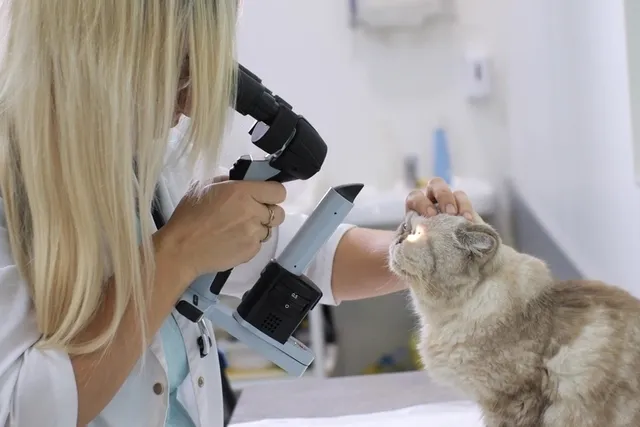
Chlamydia can be diagnosed by taking samples of the eye discharge, but conjunctivitis often isn’t caused by a singular organism. While chlamydia may be present and a main contributor, it often works in collaboration with other infectious organisms to create these undesirable signs, which may make it harder to isolate for diagnosis.

How Do I Care for a Cat With Chlamydia?
If you see your kitty with watery, red, swollen eyes, you’re bound to be concerned and immediately call your vet. This is a good idea because treatment of chlamydia infections is best done through antibiotics. These can be given orally or topically. Oral administration seems to work better, but antibiotic eye drops can still offer relief.
If you have multiple kitties in your household, be sure to tell your vet. They may recommend treatment for the whole group, since chlamydia can be passed around fairly easily, and adult cats may harbor the infection without showing any signs.
Vaccine options are available but their use varies with the situation. Since most infections with chlamydia tend to be mild and non-fatal, the idea of vaccinating usually isn’t taken seriously. More serious consideration may be taken for breeding animals, though the efficacy of preventing the spread from a mother to a kitten varies.
Many illnesses cause conjunctivitis and even respiratory signs in cats, so see your veterinarian right away if your cat or kitten shows any concerning signs, in order to get a proper diagnosis. A few of these other diseases can be prevented through vaccination, mainly herpesvirus and calicivirus. This is why it’s vital to get your kitten off to the right start with vaccinations and keep them updated throughout the years.
If you have any questions about what vaccinations your kitten needs, talk to your veterinarian.
Frequently Asked Questions
Can Chlamydia in Cats Be Cured?
Chlamydia is an infection that can be cured with antibiotics. Treatment generally lasts for several weeks, with oral or topical medications. Oral antibiotics are typically more effective because they take a systemic approach, but topical eye drops may provide relief from clinical signs.
Is Chlamydia in Cats Contagious to Humans?
There are chlamydia species that can infect humans, but Chlamydia felis tends to be specific, only going after cats. That said, there have been rare cases where this particular organism has caused conjunctivitis in humans.
How Long Does Cat Chlamydia Last?
Most infected kitties will show the most severe signs about 1 1/2 to 2 weeks after onset. From there, the signs may decrease in severity for a few weeks, and then they may flare back up. Even with treatment, some cats may show signs for multiple weeks.
Conclusion
Chlamydia is a common player in feline conjunctivitis. It most often affects kittens and young cats, leading to red, swollen eyes with watery or thickened discharge. Rarely, chlamydia can lead to more serious issues, such as upper respiratory signs or pneumonia. If your furry baby has red, irritated eyes, see your veterinarian.
Sources
Featured Image Credit: Gorodenkoff, Shutterstock
Expert cat care, straight to your inbox
News, insights, and useful advice, delivered to you.

No spam — unsubscribe anytime.
By signing up, you agree to our Terms & Conditions and Privacy & Cookies Policy.
How useful was this post?
Click a star to rate. You can leave written feedback afterwards. (We read all feedback.)
Dr. Chyrle Bonk DVM (Veterinarian)
On top of healing animals and writing for veterinary publications, Dr. Chyrle Bonk owns a small cattle herd! When she’s not busy with those things, she can be found somewhere in the Idaho outdoors with her husband and two kids.
Chyrle has practiced in a mixed animal clinic for over 10 years. She also writes for various veterinary websites and magazines, like Catster!
Dr. Chyrle Bonk received her Doctor of Veterinary Medicine (DVM) from Oregon State University in 2010.