

In this article
It’s the word that no cat owner wants to hear: cancer. While cats are living longer than ever, that longevity comes with an increased incidence of a cancer diagnosis. But it’s important to note that it’s not necessarily a death sentence. Many possible treatments are available for cats with cancer, along with various supportive measures that owners can take. One is feeding your feline a proper diet, but what are the best foods for cats with cancer? Read on to find out.

Why Does Nutrition Matter for a Cat With Cancer?
Your cat’s food is where they get the nutrients that provide them with energy, protein for muscle, and vitamins and minerals for every bodily function. Without proper nutrition, their body just won’t work properly.
For a cat with cancer, the need for these vital nutrients is still there and increased in certain cases. Affected cats require everything that other cats do, and they might need a bit more to fuel their fight.
The trouble with cancer is that a cat’s appetite can be a major blockade when it comes to getting them the proper nutrition. Not eating as much or at all can be due to nausea or lethargy from the tumor itself or the cancer treatment.

Diet Considerations for Cats With Cancer
There’s no one-size-fits-all diet or food that is best for cats with cancer. Instead, every affected cat will need to be considered on an individual basis, with the vet looking at the type of cancer, available treatments, other health conditions, and any other signs that they are present, to determine what’s best. If the vet forgets to speak to you about feeding changes following your cat’s cancer talk, don’t be afraid to bring it up.
Also, be aware that a cat’s dietary needs may change throughout the course of their cancer journey. What works for them today may not work next week.
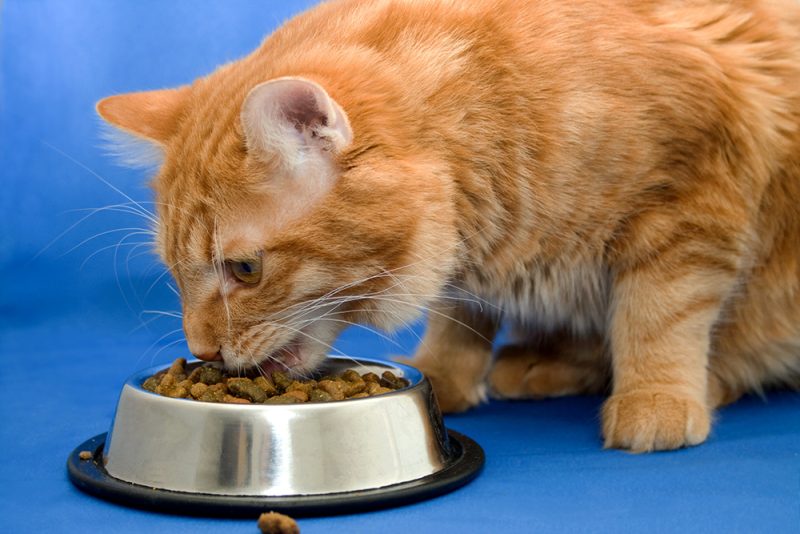
With this in mind, the best diet for your cat with cancer is one they will eat. A major difficulty with cancer treatment is the cat’s decreased or complete lack of appetite. Finding a food that they like and will eat even when they’re not feeling their best is crucial for getting them the nutrients that they need.
If they are currently eating a high-quality diet, continue with it unless they are diagnosed with a concurrent illness, such as kidney or intestinal disease. Then you’ll want to feed them a diet formulated for that. If this requires a switch, try to make the transition gradual, before your cat starts cancer treatments, to avoid combining a food switch with feeling poorly from surgery or their first round of chemotherapy or radiation.
Speak to a veterinarian about your concerns, and they can help guide you through food transition, recommend diets formulated for other health conditions, and set you up with a good quality diet well in advance.
Need veterinary advice but can't get to the clinic? Catster recommends PangoVet, our online veterinary service. Talk to a vet online and get the answers and advice you need for your cat without having to leave your living room — all at an affordable price!

What About Low-Carbohydrate Diets?
You may have heard that a low-carbohydrate diet is essential for a cat suffering from cancer. The main idea behind this is that carbohydrates are broken down into glucose, which is used by cells for energy. Unfortunately, cancer cells consume glucose like it’s candy, often using up to 10 times as much as normal cells. Researchers have reasoned that if you decrease the amount of carbohydrates and therefore, glucose, in a cat’s diet, you can literally “starve” cancer cells, causing them to die.
While this sounds great, when an otherwise normally functioning body doesn’t have glucose given to it in the form of carbohydrates, it makes its own in the liver. There have been no decent studies to show that diets low in carbohydrates have any positive effect on a cat’s cancer survival time or remission rate.
However, if you have a diabetic cat that also has cancer, a low-carbohydrate food is likely what’s already in their bowl, so continue serving it as long as they are consistently eating it.

Should I Give Cancer Supplements to My Cat?
Along with a low-carb diet, you’re sure to be recommended different supplements that claim to be just what your cat with cancer needs. Omega fatty acids from things like fish oil, various herbs, mushrooms, turmeric, and CBD are commonly talked about.
Some of these may have benefits, but others will not. There isn’t great research out there to support the use of any supplements in felines, so always be sure to talk to a vet before giving one to your cat, cancer or not. Most of these products aren’t regulated the way that commercial foods and medications are, so what the supplement label says might not be what you’re getting, and the dose may vary. Of course, you also want to make sure the supplement you’re looking at is safe for your cat.

How to Get a Cat to Eat
It’s more often about getting your cat with cancer to eat rather than the specifics of what they are eating. Everything about cancer treatment can cause a decline in appetite, making it difficult to keep your cat on the right nutritional track.
For some cats, simple changes in flavor or texture may be enough to entice them to take a few more nibbles. Fortunately, most major cat food brands have a variety of flavors and textures, so you make changes without completely revamping your cat’s food. Switching from chicken to beef may be what your pet is looking for, or they may prefer a softer, moister food over dry kibble. Whatever the case, give in to your cat’s desires. You may want to look into high-calorie foods too, such as kitten food or those meant for hospitalized cats.
You may even turn to human food mix-ins, such as cooked eggs, lean chicken, or plain rice, to make their meals more interesting. However, since none of these foods are complete and balanced on their own, they should only be used as meal toppers, not as a major part of their diet, especially for extended periods. Otherwise, your kitty could end up with nutritional deficiencies.

What Not to Feed a Cat With Cancer
Since there isn’t a well-defined road map for feeding a cat with cancer, you may think that anything and everything is up for grabs, but unfortunately, that’s not true. You should steer clear of raw and homemade diets for the same reasons that you would for other kitties.
Raw diets in particular have an increased risk of bacterial contamination, and that’s the last thing that your cat’s already struggling immune system needs to deal with. Homemade diets may not be balanced, meaning they are lacking in essential nutrients, which can end up being deleterious to your cat’s wellbeing. If you choose to go the homemade route, check that the recipe you’re using is formulated by a veterinary nutritionist, and be ready for frequent sampling and check-ins to ensure that you’re maintaining the proper nutritional content.
In Conclusion
Certain cat food brands have released special diets for cats with cancer, and there is no shortage of information about what cats with cancer should and shouldn’t eat. But the fact of the matter is that they just need to eat. If your cat is currently on a good diet, continue with it. If they have another health condition that requires specialized food, keep using it. If your kitty needs a little nudge in their appetite from time to time, try changing flavors or textures.
Above all else, work with your veterinarian to ensure that your cat with cancer is getting the treatment and nutrition that they need.
Featured Image Credit: Asasirov, Shutterstock







