Get

In Your Inbox

Catster is reader-supported. When you buy via links on our site, we may earn an affiliate commission at no cost to you. Learn more.

Can a Cat Remember Abuse? Everything You’ll Want to Know (Vet Answer)

Share

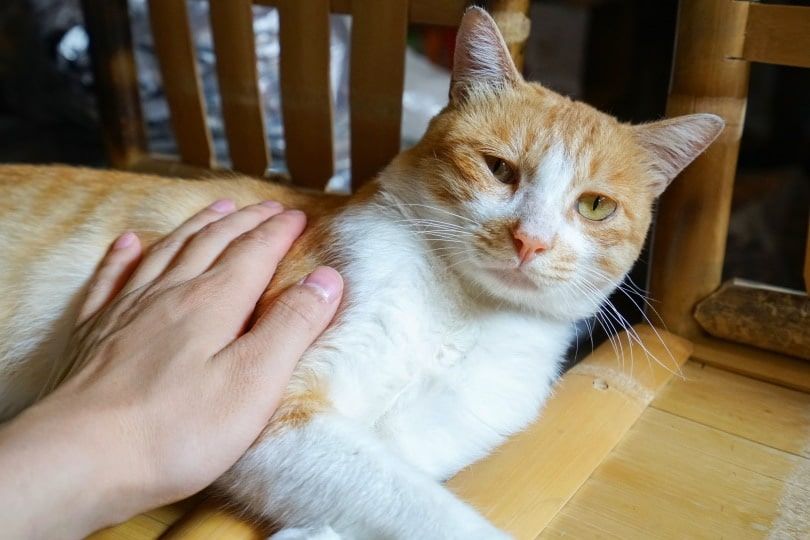
owner calming his cat

Cats are fantastic creatures and great companions. They purr, provide us with hours of entertaining internet videos, add warmth to our homes, and generally sleep. A lot.

But just like some people, cats can have tough lives. Sometimes, this means seeing the not-so-friendly aspect of humans, as well, including intentional or unintentional abuse.

Many abused cats are strays, or ferals, or those that end up at shelters. Many of these cats go on to make fantastic cat additions to our homes. Remember, just like people, your past doesn’t define who you are in the present!

Read on to learn about signs of stress and trauma that can result from abuse in cats and ways to help your cat overcome them. Cats may remember past abuse, but that doesn’t mean it needs to be their present too!

divider 2 cats

Can Cats Recall Abuse?

The answer is: no one really knows. That said, many people comment to vets that “their cat doesn’t like men”, or that “their cat was abused and doesn’t trust anyone other than me”. Now, these comments are often anecdotal and are based more on observations than on facts. If cats could talk, this would be a much easier topic to learn about!

cat lying on the couch
Image Credit by: Thewonderalice, Unsplash

Signs Your Cat May Have Been Abused in the Past

Since you can’t ask your cat, these are some of the observations that people with previously abused cats have reported in their own pets:

  • Inappropriate aggression toward people or other pets
  • Dislike of a certain gender
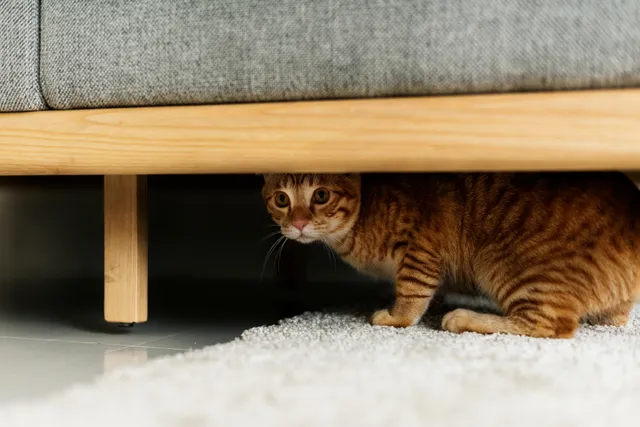
  • Tendency to hide when strangers are around
  • Reactive to loud noises or new noises
  • Hiding excessively
  • Food aggression
  • Excessive hissing or swatting behaviors
  • Broken teeth, especially canines
  • Previously broken bones

In general, there is no easy way to know for sure if your cat has or hasn’t been abused. However, most people suspect that cats that are more timid, hide from newcomers, or take longer to settle in, may have been more likely than outgoing cats to have a past history of abuse. Is this correct? No one knows for sure!

cat lying on the floor hiding behind the curtain
Image Credit By: Mantikorra, Shutterstock

Other Changes in a Cat’s Life That May Cause Stress

If you do have concerns that your cat may have been abused, it is helpful to rule out any present issues that may be causing behavior changes. Any upset to a cat’s routine can cause cats to act differently, or to engage in odd behaviors. These are some of the more common changes in a cat household that can stress your cat out, who may then mimic past abuse:

  • Change in sleeping pattern
  • Hiding excessively
  • Unusual vocalizing
  • Not eating or other changes in appetite
  • Excessive grooming
  • Urinating or defecating outside the litter box
  • Change in play behavior
  • Inability to settle down
  • Excessive requests for attention
  • New aggressive behavior
  • Biting excessively during play
  • Biting at inappropriate times
  • Attacking humans or other pets unprovoked

divider cat paws 2 oct 2024

Treatment Options if You Think Your Cat May Have Been Abused in the Past

Treatment for past abuse can be problematic for many cat owners, mostly because most owners aren’t aware of the past abuse, only the present behaviors that it has caused.

Fortunately, feline medicine has made leaps and bounds of advancement in recent years concerning feline behavior therapies, so the options today are far greater than five or even ten years ago. This gives resourceful cat owners many different things to consider!

Behaviorists

Behavior, especially feline behavior, is a relative newcomer to the field of veterinary medicine. However, great veterinary behaviorists now exist in most parts of the world, many of whom will do remote consulting. This can include consults for many of the behaviors already mentioned, such as fear, inappropriate elimination, biting, and others.

Finding a behaviorist for your cat can involve filling out an online form that details your cat’s medical and behavioral history, along with your household information. Then, it will often involve a video call to discuss, in real-time, the occuring issues, and what treatment approaches may exist. Generally, a few follow-up appointments will be needed as well.

If you need to speak with a vet but can't get to one, head over to PangoVet. It's an online service where you can talk to a vet online and get the advice you need for your pet — all at an affordable price!

PangoVet_Mention-in-Content for PangoVet2 save money

Nutritional Supplements

Nutrition has also taken on new roles in recent years, especially nutrition focused on behavioral science. New supplements are constantly arising, but some tried-and-true nutritional supplements that may help fearful or aggressive cats can include prescription diets (designed to calm cats), flower essences (that can help with feline behavior issues), and CBD oil for pets. Since nutritional supplements are not widely regulated, ensure you are purchasing from a trusted supplier, and that it is a product that is from a reputable company. Speak with your veterinarian if you have specific questions or need further recommendations.

Pheromone Diffusers

Pheromone diffusers have become quite popular in feline medicine in the last decade. You will often find these electrical socket plug-ins used at your vet clinic. However, they are also available for home use. The plug-ins release pheromones that mimic calming pheromones that cats naturally produce, which can help with behavioral issues, and reassure cats that the area of the plug-in is a safe zone! Many report good success with these diffusers.

divider cat paw scratch oct 2024

Tips For Keeping Your Cat Safe

No one wants their cat to experience the trauma of abuse. Certainly, any steps that can be taken to avoid this from occurring are well worth the time spent. Consider the following as tips to help keep your cat safe from abuse:

  • Consider keeping cats indoors when not supervised
  • Keep cats indoors at night
  • Ensure your cat is microchipped, so if they do get lost, it is easier to reunite with them
  • Use only trusted pet sitters to look after your cat
  • Keep a close eye on cats around certain holidays, such as Halloween; ideally, keep them indoors

divider 2 cats

Conclusion

Although we can’t definitively say that cats can remember abuse, they certainly can remember where food and water dishes are, what time they should be fed in the morning (even if you might disagree), and many other daily items in life. Therefore, it seems reasonable that strong emotional episodes, such as abuse, can likely impart lasting memories of some kind for our feline friends. Hopefully, your cat never has to experience anything along these lines, and only ever has to worry about why the food is a few minutes late in the morning!

See Also:


Featured Image Credit: Piqsels

Want content like this delivered to you?

Sign Up For Our Newsletter

News, insights, expert advice, and everything cat

* By submitting, you agree to our Terms & Conditions and Privacy & Cookies Policy.


How useful was this post?

Click on a star to rate (you can leave written feedback after clicking submit)

Help us improve Catster for pet parents!

Your feedback really matters.

What did you like about this post? Also how can we improve it?

Join the conversation

Leave a Reply

You’re very welcome to leave a comment or question. Please know that all comments must meet our community guidelines, and your email address will NOT be published. Let’s have a positive and constructive conversation.


Talk With A Vet Online

Peace of mind,
anywhere, anytime

Affordable vet advice

The 10 Common Causes of Sudden Death in Cats (And Which Ones Are Preventable)

Most cat owners don’t think much about heart disease, internal hemorrhage, or viral infections until they’re staring at an empty bed. Sudden death...

Ask Dr. Paola – Help! My Cat Suddenly Has Dandruff! (March 30, 2026)

Welcome to our “Ask Dr. Paola” series, where every Monday we bring expert advice straight from Dr. Paola Cuevas (MVZ) to help our...

Your Cat Keeps Vomiting After Eating: Here’s What’s Going On

Cats vomit. It’s one of the less glamorous facts of life with a feline, and most cat owners have cleaned up more than...

Ask Dr. Paola – Help! My Cat Gets Diarrhea from Wet Food! (March 23, 2026)

Welcome to our “Ask Dr. Paola” series, where every Monday we bring expert advice straight from Dr. Paola Cuevas (MVZ) to help our...

More related

What Do Cats and Dogs Have in Common? 14 Vet-Reviewed Similarities

If you share your home with cats and dogs, you know how different the two animals can be. From personality traits to exercise...

My Cat Has Never Had a Hairball, Is That Normal? Vet-Reviewed Facts & FAQ

You may hear other cat owners complaining about finding a hairball on the carpet and talking about it like it’s just another part...

Can Cats Eat Chicken Noodle Soup? Vet-Reviewed Facts & Risks

Simple to digest and soothing to the throat, chicken noodle soup has been touted as the remedy for a variety of ailments in...

How to Open a Cat Café in 2026 (10 Crucial Steps)

Are you thinking about opening a cat café? While the cafes are becoming more popular with entrepreneurs and those who frequent them, it...

Keep reading

6 Strange Items Cats Like to Collect & Why (Vet-Reviewed Info)

Cats are interesting animals that often do things that remain a mystery to us. One behavior that some cats engage in is collecting random items. There’s yet to be a concrete explanation for why cats will collect, hide, or hoard...

Cat-hunting-to-toy-mouse-at-home

How Much Does It Cost to Microchip a Cat? (2026 Update)

Few things in this world can make you feel as scared and helpless as realizing that your cat has gotten lost. Sadly, many cats that go missing are never found, and they either end up dying on the streets or...

microchipping cat

Why Does My Cat Lick My Feet & Toes? 5 Vet-Reviewed Reasons

Does your cat lick your feet? Demand attention? Invade your space? These behaviors might be a little peculiar to us humans, but we love them all the same. Getting a sandpaper kiss across your tootsies may or may not be...

Black cat licking a woman's toes

Why Are My Cat’s Paws Swollen? 5 Vet-Reviewed Causes & Signs

As a pet parent, you’re always doing your best to ensure your cat is loved and healthy. That’s why you get so concerned when your cat’s paws are swollen or they come home limping. There are a few reasons swollen...

close up of cat paws

Do Maine Coons Get Along With Dogs? Our Vet Explains Cat Dog Socialization

If you haven’t met a Maine Coon, I can highly recommend it. Not only is their impressive size and stature hard to ignore, but their laid-back confidence makes them very easy to get along with. As one of the breeds...

Dogs and Maine Coon get along

What Is a Normal Heart Rate for a Cat? Vet-Approved Facts & Health Tips

Cats have smaller bodies than we do, so it’s only natural that they’d have faster heart rates. The normal cat resting heart rate is between 160–220 beats per minute (bpm). Recent physical activity will influence a cat’s heart rate, so...

veterinarians examining a grey cat

Cat Regurgitation vs. Vomiting: Vet Reviewed Differences & How to Help

Owning a cat or several of them comes with a great deal of responsibility. Felines are independent creatures that can practically take care of themselves. However, if your cat gets sick or is involved in an accident, as a responsible...

Cat Regurgitation vs. Vomiting

Why Do Cats Gag? 10 Vet-Verified Reasons & When to Worry

Our cats are always nosing about, getting into all sorts of things. They see something peculiar, and what better thing to do than give it a good sniff? If your cat gags a lot, you might wonder what gives. Some...

cat gagging

Love Cats? So Do We! Join the Catster Community

Stay informed with expert pet care insights delivered straight to your inbox! Discover professional guidance on animal behavior, feeding tips, trusted product picks, and much more.


Sign up for the Catster Email Newsletter

Stay informed with expert pet care insights delivered straight to your inbox! Discover professional guidance on animal behavior, feeding tips, trusted product picks, and much more.