Ask Dr. Paola - Fleas, Fur balls & Picky Eaters (December 30, 2024)

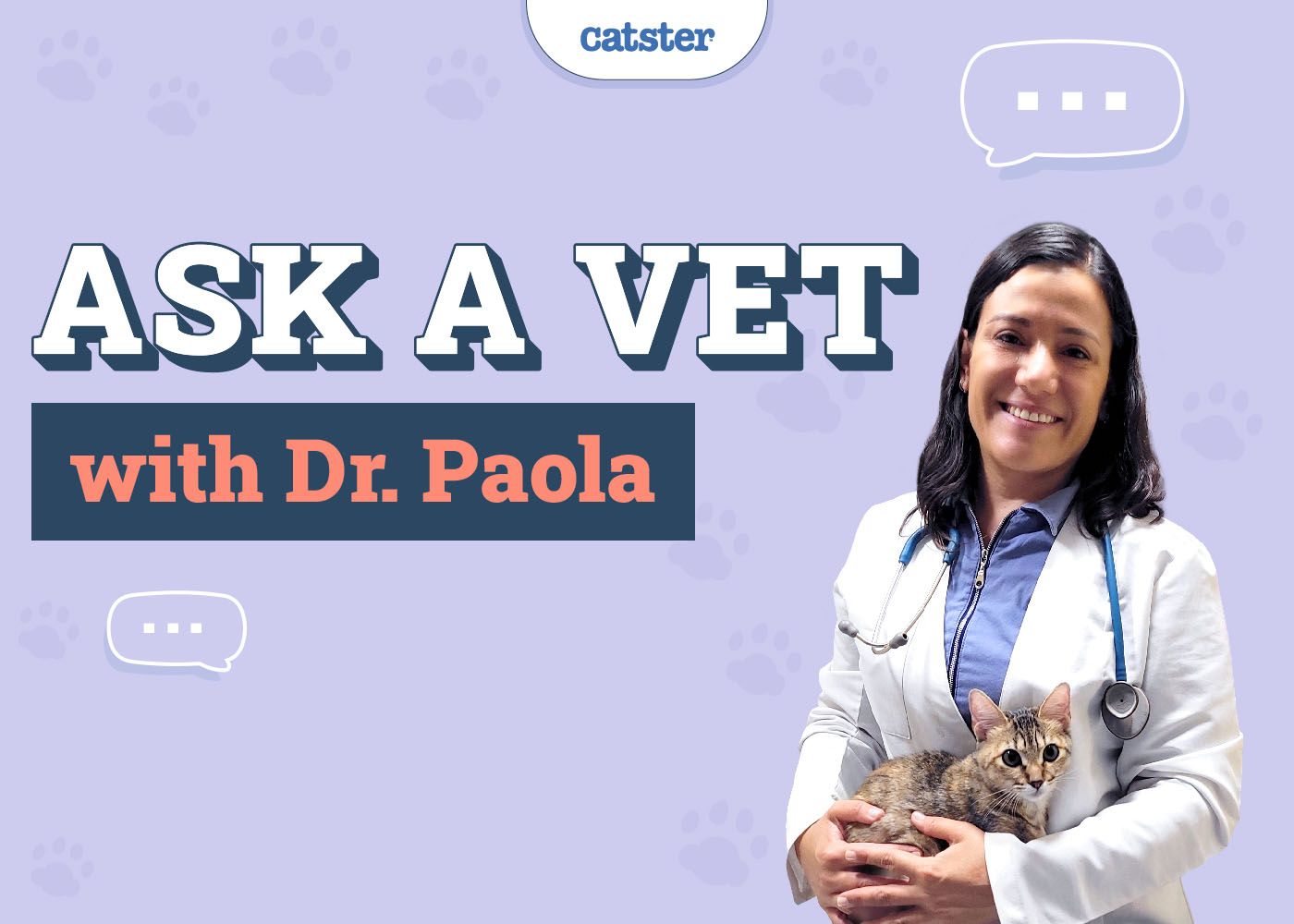
Welcome to our "Ask Dr. Paola" series, where every Monday we bring expert advice straight from Dr. Paola Cuevas (MVZ) to help our readers better understand their cat's health and well-being.
Whether you're a new pet parent or a seasoned cat lover, Dr. Paola is here to provide answers to your most pressing questions. From nutrition tips and preventive care to troubleshooting common behavioral issues, Dr. Paola is ready to offer insights that will keep your kitty happy, healthy, and feline fine. Stay tuned for expert guidance on a range of topics that matter most to you and your cat, so you can make informed decisions and provide the best possible care for your furry companion.
Have a question? Send it in here!

Help! I Am Worried My Cat May Get Fleas!
“ Can you give a recommendation for flea treatments for Persian cats? My cat is mostly indoors but sometimes the neighbor's outdoor cat comes around and I worry she will get fleas from him" - Flora (Mom to Lola)
Hi Flora, It's great that you're considering flea prevention for Lola, especially given the potential exposure from neighboring outdoor cats. Even indoor cats can be at risk of flea infestations, as fleas can enter homes on clothing or through open windows.
For Persian cats, with their luxurious long coats, topical treatments are often effective and straightforward to apply. These treatments typically offer protection against fleas for a month and should be reapplied promptly to maintain their efficacy.
Before initiating any flea treatment, it's crucial to consult with your veterinarian. They can provide guidance tailored to Lola's weight and specific health needs, ensuring the chosen product is both safe and effective for her.
Best wishes! Dr. Paola


Help! My Cat Doesn't Like Her Food!
"We rescued our cat Dolly nearly six months ago and her eating habits are still a bit odd. She doesn’t seem to like much of what we offer her, and after about one week of success with a food, she changes her mind again. This happens with wet and dry food. What should we do? - Stephen
It’s not uncommon for rescued cats like Dolly to present behavioral problems, and many are very sensitive to environmental stimuli. All cats, but especially rescue cats, are sensitive to stress, so it’s important to identify and minimize potential stressors, such as noisy areas, unfamiliar scents, or disruptions in their routine, as these can affect their appetite. It's also a great idea to take note of Dolly’s preferences for textures and flavors, such as pâté versus shredded or specific protein sources like chicken or fish, and consider offering high-quality, commercially available fresh cat foods.
These options are often more appealing due to their natural taste and aroma, and they are complete and balanced to meet her nutritional needs. You could also try to entice her appetite by mixing a little bit of species-appropriate foods into her diet, such as cat-safe bone broth or small portions of cooked chicken, turkey, or fish, which can be more enticing and nutritious. Cats who eat a variety of foods tend to adapt better and are less prone to becoming fixated on a single diet, which can be beneficial for their long-term health.
Gradually introduce new foods to avoid digestive upset and maintain a consistent feeding schedule in a calm, quiet space. If Dolly’s pickiness persists or she shows signs of digestive distress or weight loss, consult your veterinarian to run some tests and rule out any underlying medical issues affecting her appetite.
Sincerely, Dr. Paola


Help! My Cat Gets Hairballs!
“I have read that cats shouldn’t get hairballs, but it is often a stereotype I hear about cats, that they get hairballs. Why is this? And why do so many cats get them if they shouldn’t? My cat Kaley gets them every so often and I’m feeling a bit guilty when I read this is not normal” – Chris (Dad to Kaley)
Chris, please don’t feel guilty—just the fact that you’ve noticed Kaley’s hairball issue and are willing to address it shows how much you care for her, which is truly admirable. While it’s a common misconception that hairballs are normal for cats, they’re not something that should occur regularly. Cats naturally ingest hair while grooming, but their digestive systems are designed to pass it through their stool. Hairballs happen when excess hair accumulates in the stomach and can’t be expelled, often due to a diet lacking in moisture or fiber, excessive grooming, or even underlying issues like gastrointestinal motility problems. There are a few things you can try. The first and most helpful step for Kaley is to ensure she’s on a high-moisture diet, such as high-quality wet or fresh cat food, as this supports digestion and helps hair move smoothly through her system. You should also consider a water fountain. Regular brushing to remove loose fur and monitoring for stress or potential skin conditions that might cause over-grooming can also make a big difference. If hairballs become frequent or you notice other signs like vomiting, changes in appetite, or lethargy, consulting your veterinarian is the best way to rule out underlying causes and create a management plan tailored for her. You’re already doing so much just by being proactive—Kaley is lucky to have you!
Kind regards, Dr. Paola
This article is a part of our weekly Ask Dr. Paola series
Expert cat care, straight to your inbox
News, insights, and useful advice, delivered to you.

No spam — unsubscribe anytime.
By signing up, you agree to our Terms & Conditions and Privacy & Cookies Policy.
How useful was this post?
Click a star to rate. You can leave written feedback afterwards. (We read all feedback.)
Dr. Paola Cuevas MVZ (Veterinarian)
Dr. Paola Cuevas is the Senior In-House Veterinarian at Pangolia, the parent company of Catster. She has over 18 years of experience as a veterinarian and animal behaviorist. Paola's focus is on preventive medicine and animal welfare. Paola has a large range of skills in from diagnostic imaging to nutrition and clinical pathology. Paola enjoys sharing her extensive knowledge of animal training with our Catster readers and is always happy to answer reader questions as our in-house veterinarian.