What Is Apoquel for Cats Used For? Our Vet Explains Dosage, Side Effects & FAQ

In this article
Apoquel is a veterinary product labeled for use in dogs that helps reduce itchiness from allergies. Apoquel use in cats is considered extra-label but has been prescribed to cats struggling with relentless itch. So, is this product right for your cat? If so, what is the best way to go about using it? Continue reading below to learn more about Apoquel and how it is being used in feline companions.

What Is Apoquel?
Apoquel (oclacitinib maleate) is a medication designed to help reduce itch in dogs struggling with pruritus associated with atopic dermatitis and allergic dermatitis. This is achieved through blocking certain factors, or cytokines, that are used to stimulate itch. Although a similar product has not yet been approved for cats, extra-label use of Apoquel has been tried in cats, especially cats who have not been able to obtain relief from other interventions.
How Is Apoquel Given?
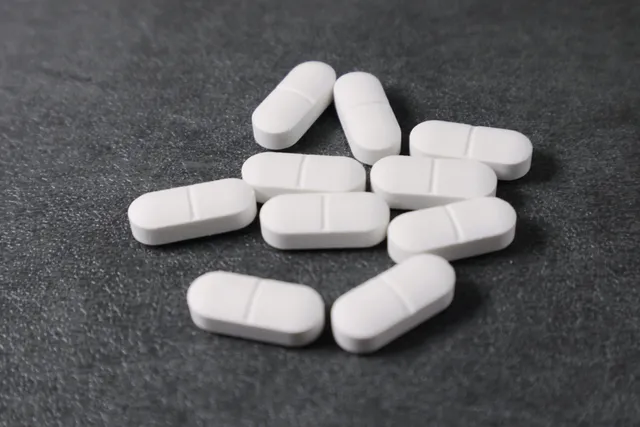
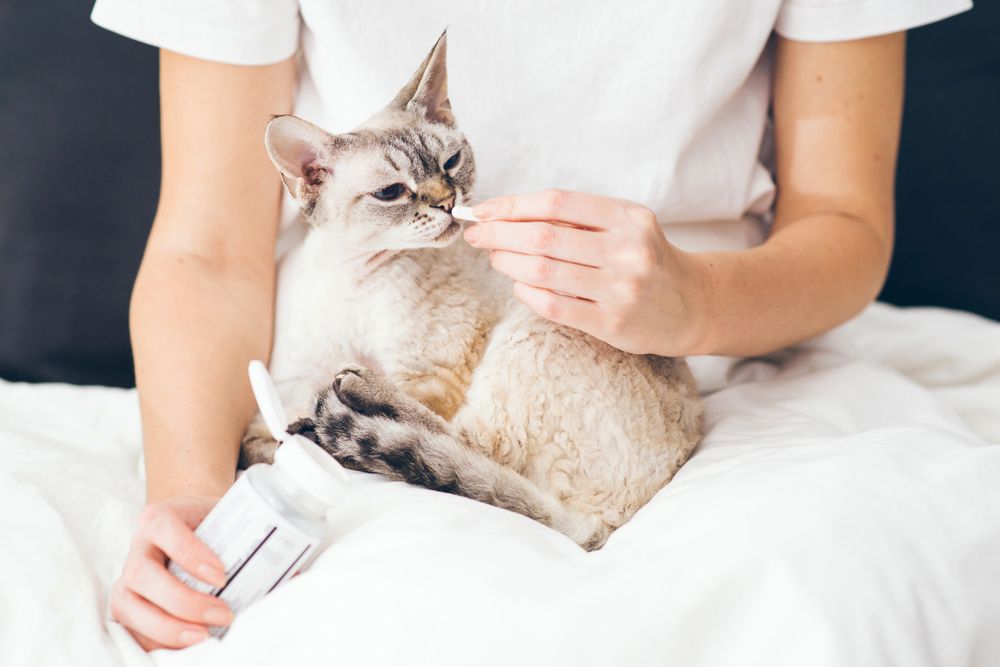
Apoquel is available in several different-sized (3.6mg, 5.4mg, 16mg) tablets. The tablets are administered orally. The tablets should be stored at room temperature and kept out of direct light.
The labeled dosing recommends twice daily administration to dogs for no more than 14 days, then switching to once-daily dosing as maintenance. Similar recommendations have been used in cats, although the Merck Veterinary Manual suggests that a higher dose may be necessary to achieve similar blood concentrations to that of dogs.1
Apoquel can be given with or without food. If signs of gastrointestinal sensitivity are noted, the medication should be given with food. In the event of an accidental overdose, contact your prescribing veterinarian.
What Happens if You Miss a Dose?
If a dose of medication is missed, give the medication when it is remembered, and give the next dose at the next appropriate time (either 12 or 24 hours later, depending on your dosing regimen). Do not double the dose. If you ever have questions, make sure to give your vet a quick phone call for further advice.
Potential Side Effects of Apoquel
Safety studies have not been done evaluating the use of Apoquel in cats. The following side effects have been documented in canines, the species which the medication is intended for.
- Gastrointestinal signs
- Lethargy
- Increased water intake
- Pyoderma/skin infection
- Skin masses
- Mild leukopenia
- Demodex infection
- Increased aggression
- Increased appetite
Important Apoquel Considerations
Apoquel is only labeled for use in dogs; therefore, use in cats is considered extra-label. Although there is documentation of successful use of Apoquel in cats, there have not been thorough studies evaluating its use off-label. Minimal information is known regarding safety, efficacy, and dosing in feline patients.
Apoquel should not be used in dogs less than 12 months of age, and it is likely that similar rules would be adapted to cats. Additionally, this product should not be used in pregnant animals. Its use should be avoided in animals with immune compromise or cancer. Although it doesn’t appear that Apoquel causes cancer, it may allow cancer to become less controlled.
Apoquel should not be used in Demodex infections. Avoiding the use of the product may be recommended in animals with previous demodex infections.
Blood work should be done in patients who will be routinely utilizing this product.
Frequently Asked Questions
Why Is My Veterinarian Recommending Apoquel if It Is Considered Off-Label Use?
Some veterinarians will recommend Apoquel to feline patients diagnosed with allergic skin disease who have not obtained relief through other standard modalities or who are unable to take certain medications due to concurrent conditions.

Does Apoquel Require a Written Prescription From My Veterinarian?
Yes, your veterinarian will need to provide you with a prescription to receive this medication, as it is not available over the counter.
Is Apoquel a Steroid?
No, Apoquel is not a steroid. For many, that is the appeal. Several of the undesirable side effects associated with steroid administration are avoided with Apoquel use in dogs.
In Summary
Apoquel use in cats is considered extra-label and several important parameters are unknown currently including safety. Careful consideration and discussion should occur between the prescriber and the patient’s owner prior to administration of the drug. Close monitoring and blood work should be performed to ensure the patient’s health remains stable during use. In cases where relief from itch has not been achieved through other avenues, Apoquel may be a reasonable option in cats.
Sources
Featured Image Credit: Veera, Shutterstock
Expert cat care, straight to your inbox
News, insights, and useful advice, delivered to you.

No spam — unsubscribe anytime.
By signing up, you agree to our Terms & Conditions and Privacy & Cookies Policy.
How useful was this post?
Click a star to rate. You can leave written feedback afterwards. (We read all feedback.)
Dr. Marti Dudley is a small animal veterinarian with a passion for preventative medicine and pet parent education. She enjoys being a resource for pet owners as she believes that having a team approach leads to the best possible care of pets. Dr. Dudley enjoys writing and has been able to use this skill as another avenue to educate pet owners outside of the traditional office setting.
Dr. Dudley has been practicing veterinary medicine since 2014. She has an interest in preventative care and emphasizes the importance of pet owner education. Dr. Dudley’s experience in veterinary medicine is broad, as she has worked as a general practitioner, which has allowed her to see and treat many different types of conditions.
Dr. Dudley received her bachelor’s degree in biology from Longwood University in Virginia. She earned her Doctor of Veterinary Medicine (DVM) degree from Ross University.