10 Interesting Facts About Cat Noses & Their Sense of Smell (Vet Approved)


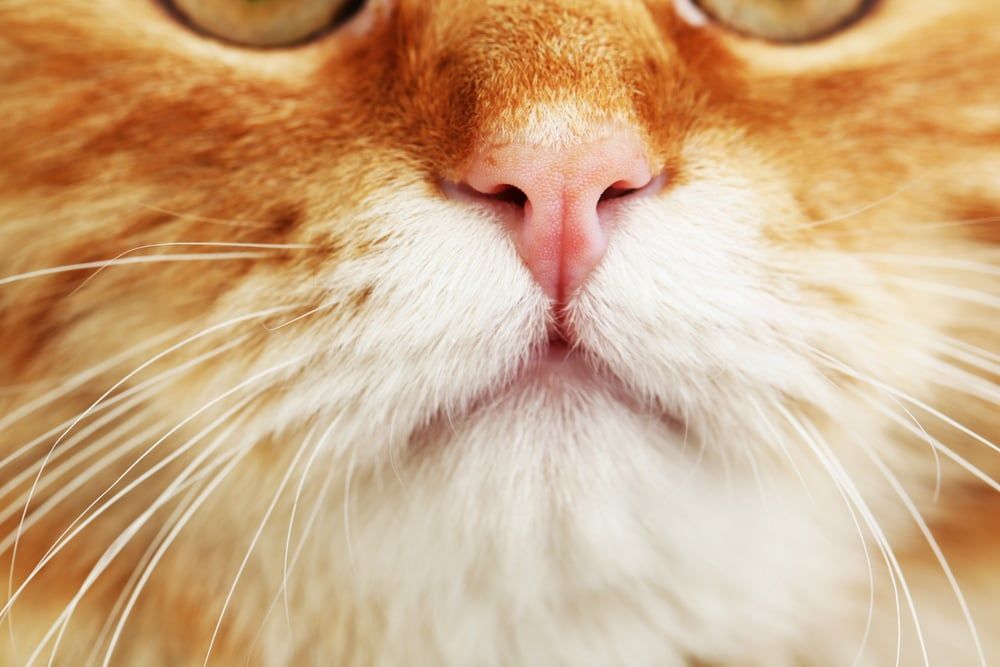
Although cats have all the senses humans do, they use theirs differently and in impressive ways. Their vision is excellent in low light conditions, they feel the world around them through their whiskers, they can hear sounds that are undetectable to humans, and their nose is vital to their survival and has been since the beginning of their existence.
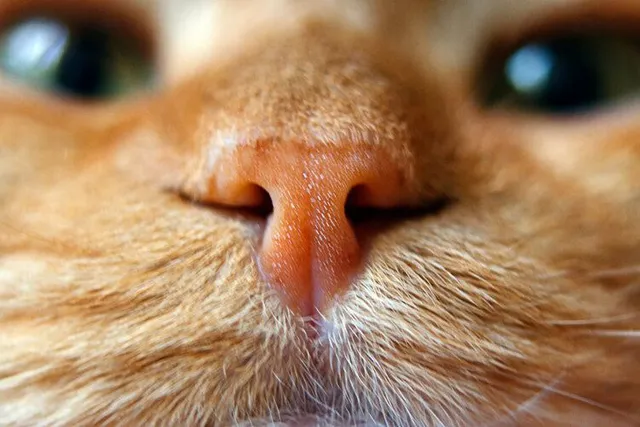
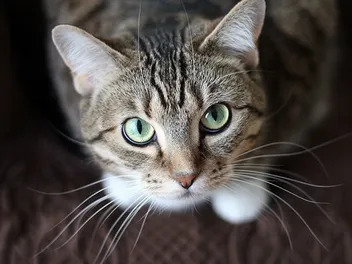
Your cat's nose is their primary organ of smell (stay tuned to learn about the vomeronasal organ). It can also tell your cat a lot about other cats and the world around them. This triangular shape isn't just adorable; it's functional, and there is so much to learn about it, so keep reading for 10 facts about cat noses and their sense of smell.

The 10 Facts About Cat Noses
1. Their Nose Is an Essential Sense Organ
Your cat's nose isn't just a cute feature; it is one of the most essential sense organs your cat has. It helps detect danger, which gets your cat away from predators before they can cause harm. It tells them about other cats and finding a mate to reproduce with. And it helps them learn about the environment around them.
Without their nose, your cat wouldn't have the survival skills they do have and would have a much shorter lifespan.

2. Their Appetite Is Stimulated When They Smell Their Food
Regardless of how lavish you make your cat's food, they aren't only eating it for the taste but also because of what it smells like. Cats only have a few taste receptors, so it's the delicious smell of their food that activates their appetite and gets them tucked into their meal.
Therefore, all those different recipes on the market are aimed at your cat's sense of smell, which is why they often have a strong smell. If it doesn't smell good or like anything at all, your cat probably won't eat it.
3. Their Smell Tells Them a Lot About Other Cats
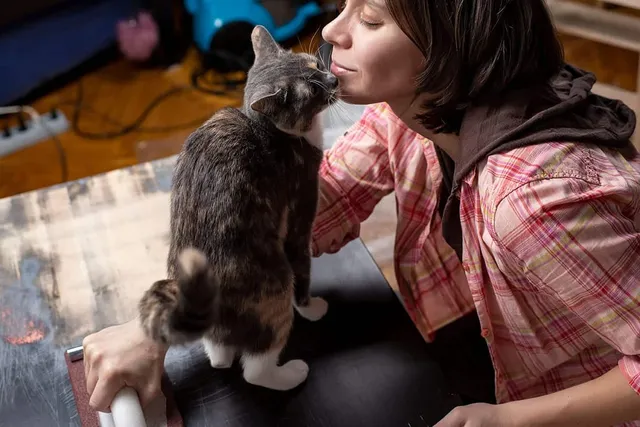
Cats may not always verbalize a greeting, but they do share one when they meet a new cat for the first time or see one after being apart. They do this by rubbing heads, which releases pheromones from the glands around their chin, ears, forehead, and cheeks. Pheromones are a type of scent that triggers a change in the behavior or body of others of the same species. Cat’s use pheromones for bonding, mating, communicating feelings, and marking territory. Feline facial pheromone is used to convey feelings of happiness and security, which helps cat’s bond to each other and the environment.
Cats also gather information from smelling the rear end of another cat. Regardless of the end they sniff, their nose is telling them a lot about the other cat.

4. Their Sense of Smell Is Much Stronger Than Ours
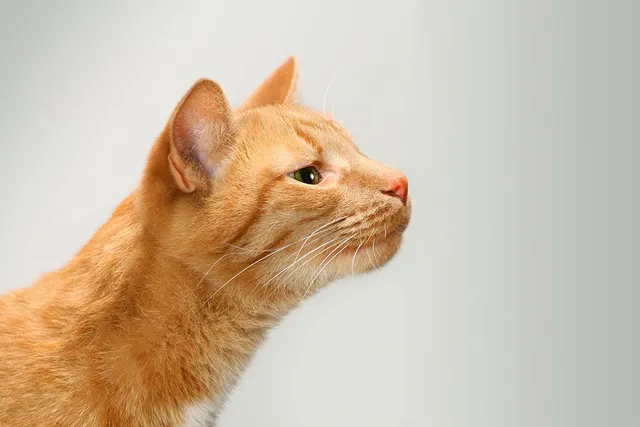
Have you ever wondered how your cat can be nowhere in sight until you open up a tin of food? It is astonishing how your cat always knows when food is around, even if they can't see it. The reason is because they can smell it. Cats have twice as many receptors in the nasal passages as humans do. In fact, experts estimate a cat's sense of smell is 14 times stronger than a human's.
These receptors can lead them to prey and deter them from toxic or inedible food, which is essential to their survival. They use their sense of smell as a hunting tool, picking up unsuspecting prey and stalking them from great distances away.
5. Cats Have a Dual Scent Mechanism
Cats can do more than just pick up scents; they can also pick up the pheromones left behind by other cats and various species. They're able to do this because they have a vomeronasal organ, which is in the roof of their mouth. They can use this tool to pick up on pheromones that don't have an odor to humans. This organ sends information from the pheromones to your cat's brain. The use of the vomeronasal organ is the reason that cats may sometimes open their mouth to detect a smell.

6. Some Smells Deter Cats
We've established that cats have a sensitive sense of smell because they have so many scent receptors. As helpful as these receptors are, they can also cause certain smells to be overwhelming and distressing for your cat. Cats can be deterred by certain foods, cat litter, dirty litter boxes, some plants, and people because their scents, fragrances, or perfumes are too strong for them to hang out around.
What may smell good to you could be too strong for your cat, so opt for unscented options when it comes to your cat's litter; otherwise, they may refuse to use their litter box altogether.
7. Cat Nose Prints Are Unique
You may have heard that a cat's paw prints are unique, but did you know that their nose prints are unique, too? This is because a cat's nose has bumps and ridges, which make up unique patterns. If microchipping wasn't an option, your cat's nose could be used to identify them, but your cat probably wouldn't be very happy with having their nose dipped in ink and squashed against a piece of paper!
Next time you're cuddling your cat, run your finger over their nose and feel the very patterns that set them apart from every other cat in the world.

8. Kittens Are Born with An Excellent Sense of Smell
Although kittens are born blind and deaf, they have an excellent sense of smell, which is essential for their survival as they need to sniff out their mother for milk, warmth, and comfort. Their sense of smell is so strong and precise that a newborn kitten is able to pick out their own mother from other nursing dams.
Kittens will only be able to see after around 2 weeks, so they rely fully on their sense of smell for the first few weeks of their life. They're unable to fend for themselves during this time but will meow out to their mothers when they have a need.
9. Cat’s Noses Can Become Diseased
Sneezing, nasal discharge, and watery eyes can be signs of an upper respiratory infection, commonly known as “cat-flu”. Cat’s with little skin pigment are also prone to skin cancers of the nose. Squamous cell carcinoma is common in cat’s with pink noses, mainly due to sun exposure. So for those susceptible cats, sun protection is important.

10. Cat Noses Are Mostly Wet from Sweat
If your cat's nose feels wet, it's not because they have a cold. It's normal for cats to have wet noses, which is mostly from sweat. A cat's nose aids in regulating their body temperature on a hot day and helps them stay cool. Their paw pads have the same function and also sweat.
A wet nose actually also helps with a cat’s sense of smell. We already know that their smelling abilities are incredible, but the moisture on their nose traps the scent particles and helps them smell and decipher them better.
Cat noses can indicate a health problem, so if your cat has a dry, warm nose as well as watery eyes and nasal discharge, you should take them to be examined by a vet.
Conclusion
Although cat noses are often only appreciated for their cuteness, they are an essential part of your cat's survival. Cats have an incredible sense of smell, which is far better than that of humans and many other species. Some ways that cats use their noses are to activate their appetites, gather information about other cats they meet, hunt, escape predators, and find a mate.
See also:
Sources
Featured Image Credit: Africa Studio, Shutterstock
Expert cat care, straight to your inbox
News, insights, and useful advice, delivered to you.

No spam — unsubscribe anytime.
By signing up, you agree to our Terms & Conditions and Privacy & Cookies Policy.
How useful was this post?
Click a star to rate. You can leave written feedback afterwards. (We read all feedback.)
Keri-Beth is a freelance writer from South Africa who loves writing about cats. She's very passionate about pet care and has spent quite a bit of time volunteering at animal shelters. Keri-Beth currently has two dogs: Benji, the Golden Cocker Spaniel, and Gracie, the Boerboel.
Keri-Beth's favorite hobbies include photography and camping. She lives with her husband, who is a professional drummer.