Can Cats Eat Tuna? Vet-Reviewed Nutrition Facts & FAQ


In this article
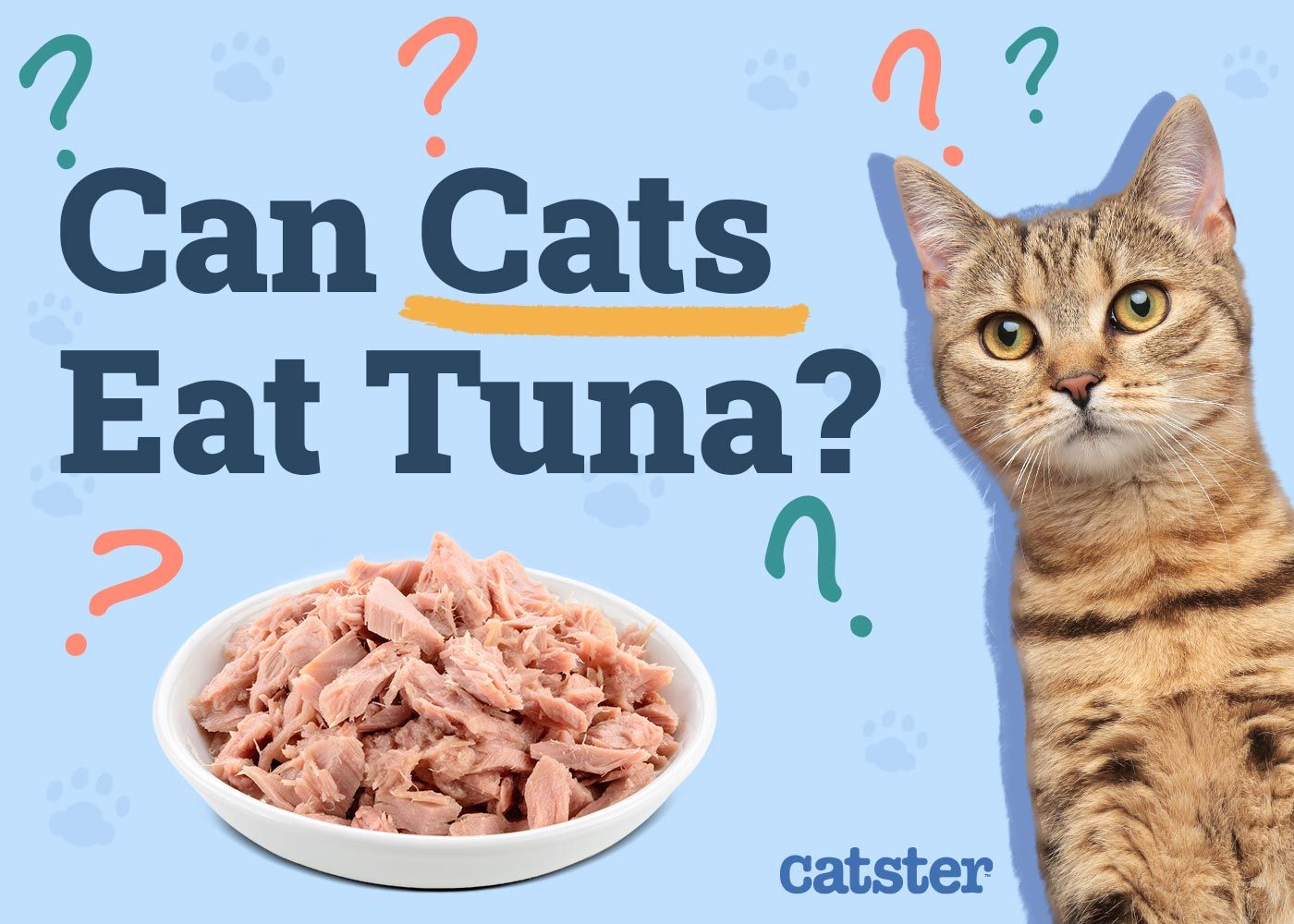
Tuna is one of the human foods most offered to cats, either as a treat or part of their daily diet. However, just because your cat loves tuna doesn’t mean it’s healthy or safe for them. Cats shouldn’t eat tuna regularly, but it’s okay as an occasional treat for some kitties.
In this article, you’ll learn all about the trouble with tuna and how to safely feed it to your cat should you choose to do so. We’ll also suggest better options if you want to share human snacks with your feline friend.

Is Tuna Nutritious for Cats?
Despite the concerns about tuna that we’ll address later, tuna is high in protein and contains fatty acids, which help support skin, coat, and joint health. It’s often a protein source in commercial cat food and treats.
The Trouble with Tuna

Although it contains some beneficial nutrients, you should be aware of some concerns about feeding tuna. Here’s a quick rundown of the serious trouble with tuna.
High in Mercury
Mercury is a chemical in the environment, often at higher levels due to human pollution. It can be toxic to cats (and humans) in high enough quantities. As fish swim in contaminated water, they build up levels of mercury in their body.
Eating mercury-rich fish is unsafe for cats and humans. Tuna is one of the species likely to contain higher levels of mercury. Humans are advised to limit their consumption of tuna, and the same applies to our cats.
Not Nutritionally Balanced
Tuna is not appropriate for your cat’s primary diet because it is not nutritionally balanced. Cats require certain vitamins, minerals, and amino acids to function normally. Commercial cat diets must meet minimum nutrition standards that include these vital ingredients.
Plain tuna simply doesn’t have the nutrition your cat needs, including antioxidants and vitamin E. Without these nutrients, your cat can become malnourished or develop medical issues.

High in Unsaturated Fat
Tuna contains high amounts of unsaturated fat. Eating fatty foods can cause digestive issues for some cats. High-fat diets can lead to the development of a dangerous health condition called pancreatitis in cats. Cats that eat tuna frequently are also at higher risk of developing steatitis which is inflamed fatty tissue.
Tuna Is Addicting
Because tuna is so tasty, cats can essentially become addicted to it if they eat it frequently. As we discussed, eating too much tuna isn’t safe or healthy. It’s also a problem if your cat gets addicted to tuna and refuses to eat their cat food.
If your cat only wants to eat tuna, they won’t get the proper nutrition they need. And if you try to break them of their addiction, your cat may refuse to eat entirely. If cats go even a few days without eating, they can develop hepatic lipidosis or fatty liver disease.
How to Safely Feed Tuna to Your Cat

If your cat loves tuna and you don’t want to completely deprive them of the taste, here are some tips for safely feeding this fish.
- Offer tuna as an occasional treat only, and ensure that your cat regularly eats a balanced diet.
- Never feed your cat raw tuna, which may contain dangerous bacteria. All raw fish are unsuitable for cats as it contain an enzyme called thiaminase that destroys thiamine, an essential B vitamin for your cat.
- If feeding tinned tuna, only ever offer your cat tinned tuna in freshwater (not brine or oil).
- Monitor your cat for digestive issues, such as vomiting or diarrhea, after they eat tuna.
- If you want to give your cat the taste of tuna without worrying about the issues we discussed, consider offering a tuna-based commercial diet or treats.
If you are ever unsure about what to feed your cat and how to prepare it for them, asking a vet is the surest thing you can do.
Other Human Food Options for Cats
If you want to offer your cat human food as treats, here are more options:
Many cats will turn their nose up at fruit and vegetables but some enjoy them! Remember, treats of any kind, including human foods, shouldn’t make up more than 10% of your cat’s daily calories.

Conclusion
While most cats love tuna, they should only eat it as an occasional treat to avoid health concerns. It may not be appropriate for some cats, even in restricted quantities. Talk to your vet before serving tuna to your cat, especially if your kitty is overweight or has chronic medical conditions.
See also:
Sources
Featured Image Credit: Tim UR, Shutterstock
Expert cat care, straight to your inbox
News, insights, and useful advice, delivered to you.

No spam — unsubscribe anytime.
By signing up, you agree to our Terms & Conditions and Privacy & Cookies Policy.
How useful was this post?
Click a star to rate. You can leave written feedback afterwards. (We read all feedback.)
Elizabeth Gray is a lifelong lover of all creatures great and small. She got her first cat at 5 years old and at 14, she started working for her local veterinarian. Elizabeth spent more than 20 years working as a veterinary nurse before stepping away to become a stay-at-home mom to her daughter. Now, she is excited to share her hard-earned knowledge (literally--she has scars) with our readers. Elizabeth lives in Iowa with her family, including her two fur kids, Linnard, a husky mix and Algernon, the worldʻs most patient cat. When not writing, she enjoys reading, watching all sports, and spending time outdoors with her family.