Diabetes in Cats: Causes, Signs & Care (Vet Answer)

In this article
Diabetes mellitus, often simply referred to as diabetes, is a medical condition that results in consistently high levels of glucose (sugar) in the bloodstream. This can be due to either insufficient amounts of insulin or resistance to insulin, but in either case, cells in the body are not able to take up glucose the way they should. If you want to get a rundown about diabetes in cats, read on. This article will give you some insight into this condition.

What Causes Diabetes in Cats?
There are two main types of diabetes in cats:
Type I Diabetes: the pancreas stops producing insulin
Type II Diabetes: the pancreas does not produce enough insulin and/or the body’s cells do not respond normally to insulin (also referred to as insulin resistance)
Most cats develop Type II diabetes1.
What Is My Cat’s Risk of Developing Diabetes?
Up to 1% of cats may develop diabetes in their lifetime. Factors that increase the risk of diabetes in cats include:
- Obese body condition
- Age older than 7 years
- Physical inactivity (indoor cats are at higher risk)
- Being a neutered male
- Treatment with corticosteroid medications (e.g., prednisolone, dexamethasone)
- History of severe or chronic pancreatitis2

What Are the Signs of Diabetes In Cats?
Here are some of the things you may notice if your cat has diabetes:
What Is Diabetic Ketoacidosis (DKA)?
If diabetes is left untreated or poorly managed, it can progress to a life-threatening condition called diabetic ketoacidosis (DKA)3. The cat’s body, unable to use glucose for energy, starts breaking down fat instead. This process releases ketones, and when too many ketones build up in the bloodstream, ketoacidosis occurs.

Some of the signs of ketoacidosis include:
DKA can be a life-threatening emergency. If you are concerned that your cat may be experiencing DKA, please seek veterinary attention immediately.

How Is Diabetes Diagnosed in Cats?
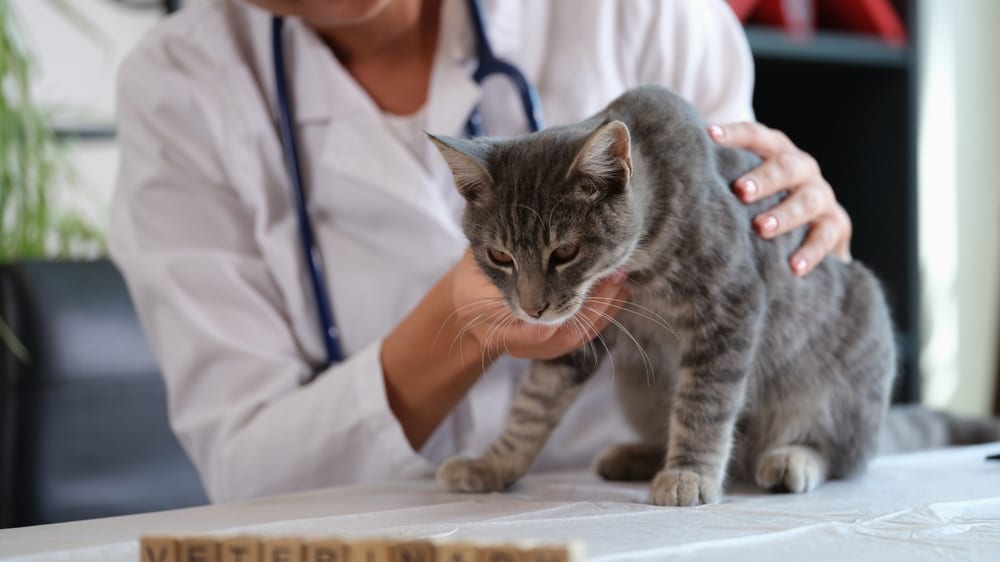
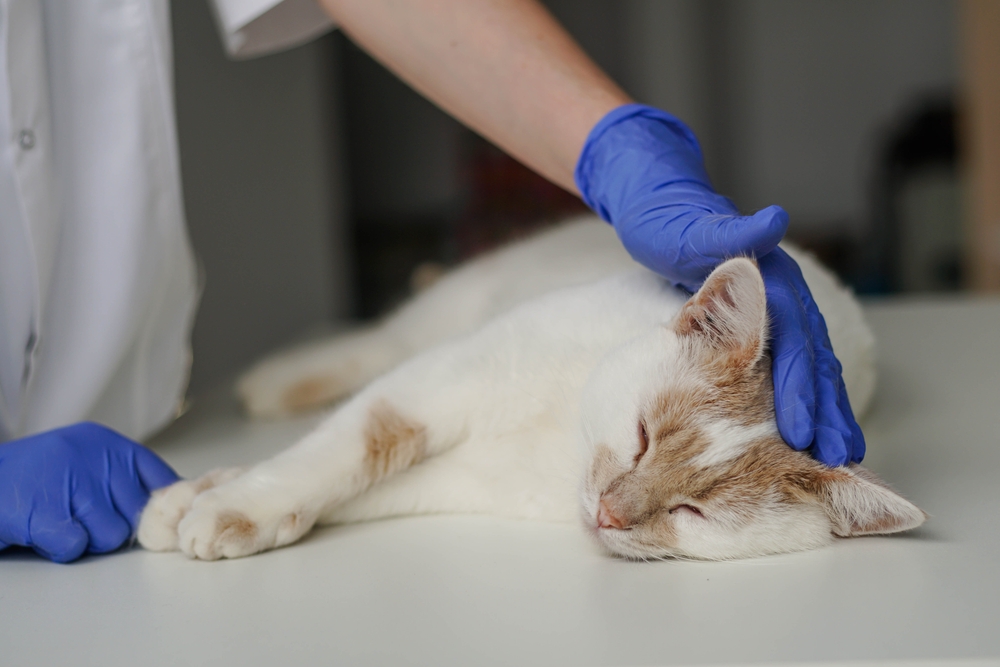
If you think your cat might be diabetic, schedule an appointment with your veterinarian as soon as possible. The veterinarian will:
- Ask questions to obtain a complete history
- Examine your cat thoroughly
- Perform blood and urine testing to confirm diabetes and screen for other medical conditions that may also be present

Diabetes is suspected if there is a high level of glucose (sugar) in your cat’s blood and urine. To confirm the diagnosis, your veterinarian may recommend a specific blood test called serum fructosamine. This test reflects your cat’s average blood glucose level over the previous 1-2 weeks.
A Note About Stress Hyperglycemia (High Blood Glucose) in Cats
Stress hyperglycemia is when stress (e.g., a car ride or veterinary visit) causes a temporary but significant increase in a cat’s blood glucose level. It is an important reason why a single high blood glucose reading on its own is not enough to confirm a diagnosis of diabetes in cats.

How Is Diabetes Treated in Cats?
If your cat is in a state of diabetic ketoacidosis (DKA) at the time of diagnosis, they will need to stay in the hospital initially (usually for a few days). The veterinary team will administer intravenous (IV) fluids, short-acting insulin injections, and other supportive medications as needed. Once the DKA has resolved and the blood glucose is more regulated, you will continue insulin therapy at home.
Cats with newly diagnosed diabetes who are otherwise stable (i.e., still eating, drinking, and acting normally) are typically treated as outpatients. Your veterinary team will provide you with clear instructions outlining your cat’s treatment plan and likely lots of home reading materials!
The diagnosis and initial regulation of diabetes are typically the most expensive part. However, you must be prepared for lifelong treatment and monitoring.
The principles of diabetes management in cats are:
1. Insulin injections

Insulin is injected subcutaneously (under the skin) once or twice daily after a meal to help regulate your cat’s blood glucose levels. This can seem intimidating at first, but with practice, many people become very comfortable administering insulin injections at home. The amount of insulin given is typically small, and very fine needles to help make the injection as comfortable as possible for your cat.
Here’s a great video demonstrating how to give your cat an insulin injection.
It is extremely important that you ONLY use the specific insulin and needles provided by your veterinarian, and you should never adjust your cat’s insulin dose without consulting them first!
In general, if your cat doesn’t eat a meal, you should not give insulin. It is usually safe to skip an insulin injection here and there, but if your cat misses a few meals in a row you should contact a veterinarian.
2. Diet modification
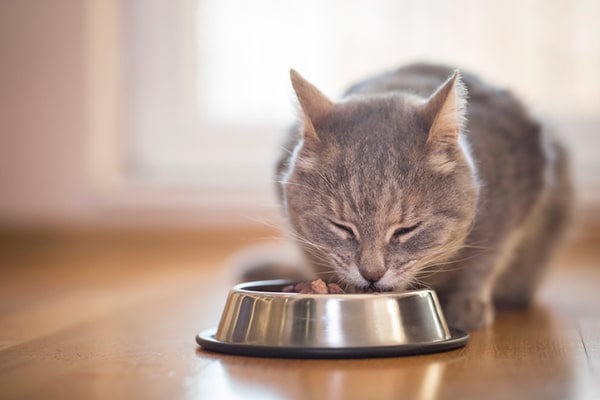
Diabetic cats should be fed a high-protein, low-carbohydrate diet. A veterinarian will help you develop an appropriate feeding plan for your cat.
Please do not change your cat’s type of food or feeding amount without consulting the veterinarian, as this will affect their blood glucose levels and may change their insulin requirements.
3. Weight management
A veterinarian will assess your cat’s body condition and determine whether they would benefit from losing some weight. Weight loss in overweight and obese cats improves insulin resistance and increases the likelihood of diabetic remission.
Cats should always lose weight gradually and only under the direction and supervision of a veterinarian.
4. Address other health concerns
Since diabetes is typically diagnosed in middle-aged and older cats, it is not uncommon for them to have other medical conditions as well. Things like chronic kidney disease (CKD), dental disease, and urinary tract infections (UTIs) can make the management of diabetes more challenging.
5. Keep a consistent routine
In general, keeping your cat’s environment and lifestyle consistent is helpful in the management of diabetes. Diabetic cats should be kept indoors, when possible, and fed at the same times every day. Try to avoid giving a lot of treats and snacks between meals as this may affect their blood glucose levels.


Frequently Asked Questions (FAQ)
Are Oral Hypoglycemic Medications Effective in Cats?
Oral hypoglycemics are medications taken by mouth to lower a patient’s blood glucose level. They are frequently used in the management of diabetes in people, but they do not currently play a large role in the treatment of diabetic cats.
Glipizide, specifically when combined with dietary management, has been shown to be helpful in managing blood glucose levels in some cats. However, it can have negative side effects and should not be considered a replacement for insulin therapy.
How Are Diabetic Cats Monitored?
Most veterinarians monitor diabetic cats with glucose curves. This involves measuring the blood glucose level before food and insulin are given, then every 1–2 hours until the next insulin injection.
Glucose curves are generally recommended:
For cats whose temperament doesn’t lend itself to collecting frequent (albeit small) blood samples, serum fructosamine testing can also be considered for monitoring diabetes. However, it is important to remember that fructosamine levels reflect average blood glucose levels over the previous 1–2 weeks. They do not tell us exactly how a cat’s glucose level responds after insulin injections.
Due to the presence of glucose in their urine, diabetic cats should be checked regularly for urinary tract infections (UTIs), even if they are not showing any symptoms.
Can I Monitor My Cat’s Blood Glucose at Home?
Yes! Using a glucometer at home is often the most effective way to monitor your cat’s blood glucose because keeping your cat in a familiar environment helps minimize stress hyperglycemia. It is also helpful for you to be able to check your cat’s glucose level if they are showing signs of hypoglycemia (low blood glucose).
If you are interested in learning how to monitor your cat’s glucose at home, ask a veterinary team to schedule a demonstration. This video explains how to collect a small blood sample from a cat’s ear vein or foot pad.
A relatively new but promising option for home monitoring is Abbott’s FreeStyle Libre system. A sensor implanted in the skin provides prick-free, continuous blood glucose monitoring for up to two weeks. The technology was developed for people but seems to be effective in cats (and dogs as well). More information is available here.
What Are the Signs of Hypoglycemia (Low Blood Glucose)?
Hypoglycemia simply means low blood glucose (sugar). If you have a diabetic cat, it is important to be aware of the signs. Hypoglycemia can occur if a cat hasn’t eaten enough before receiving insulin if their insulin dose is too high, or if they are heading into diabetic remission.
Signs of hypoglycemia depend on how low the blood glucose has dropped and how quickly it happened, but here are some of the general signs to watch for:
- Lethargy (low energy)
- Weakness
- Ataxia (lack of coordination)
- Muscle twitching
- Trembling or shivering
In severe cases, low blood sugar can cause seizures and unconsciousness, which, if not treated, can be fatal.
If you have a diabetic cat, you should be prepared to recognize and treat hypoglycemia. Ask a veterinarian for a plan outlining what you should do if you suspect your cat’s blood glucose has dropped too low.
How Will I Know That My Cat Is Getting Better?
Unlike in people, tight glucose control is not the goal of treatment in diabetic cats.
The objectives of treatment are to:

What Is Diabetic Remission?
Diabetic remission is when a diabetic cat no longer requires insulin to keep their blood glucose in the normal range. Unfortunately, remission does not happen for all diabetic cats, and more than 25% of cats who achieve diabetic remission become dependent on insulin again at some point in their life.
This fact sheet by the American Association of Feline Practitioners (AAFP) answers common questions about remission in diabetic cats.
Can My Diabetic Cat Still Have a Good Quality of Life?
For many cats, the answer is yes. However, it does depend on how well their diabetes can be managed, as well as any other medical conditions that might arise. A veterinary team is an excellent resource for any questions you have about helping your diabetic cat enjoy a happy life for as long as possible.
Featured Image Credit: Gleb Usovich, Shutterstock

Expert cat care, straight to your inbox
Vet-reviewed advice, behavior tips, and the best of Catster. Free, and you can unsubscribe anytime.
By signing up, you agree to our Terms & Conditions and Privacy & Cookies Policy.
Dr. Sharon Butzke DVM (Veterinarian)
Sharon has been drawn to animals for as long as she can remember. She was raised in Ontario, Canada and fulfilled her childhood dream when she obtained her Doctor of Veterinary Medicine (DVM) degree from the Ontario Veterinary College in 2009. Since then, she has worked in a variety of small animal clinics, with a focus on cats and dogs. She loves sharing her knowledge and empowering people to take the best possible care of their pets! Sharon currently resides in British Columbia with her husband, daughter, and a loveable Great Dane named Parker.
Join the conversation
Ask a question, share your story, or send private feedback.