10 Cat Litter Alternatives: Vet-Verified Options (With Pros & Cons)


In this article
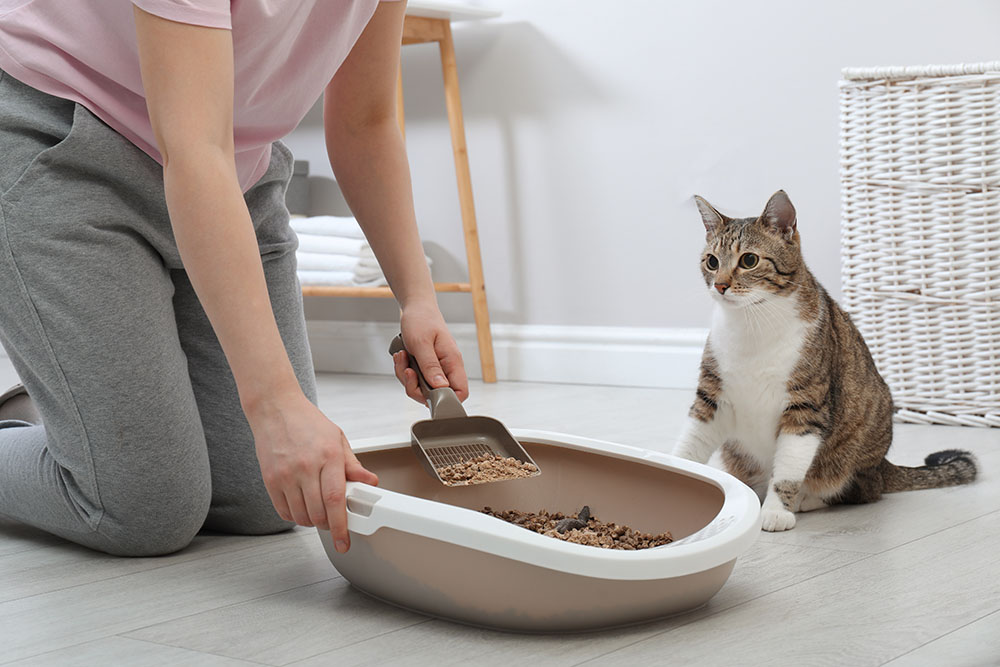
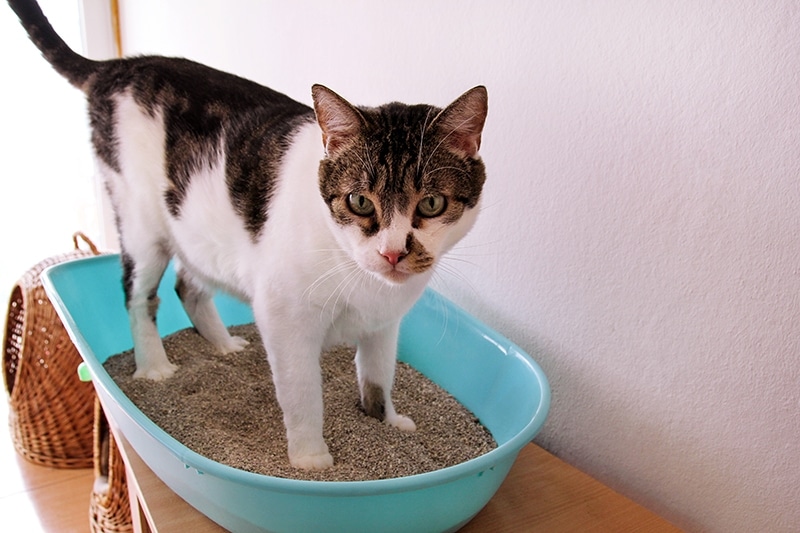
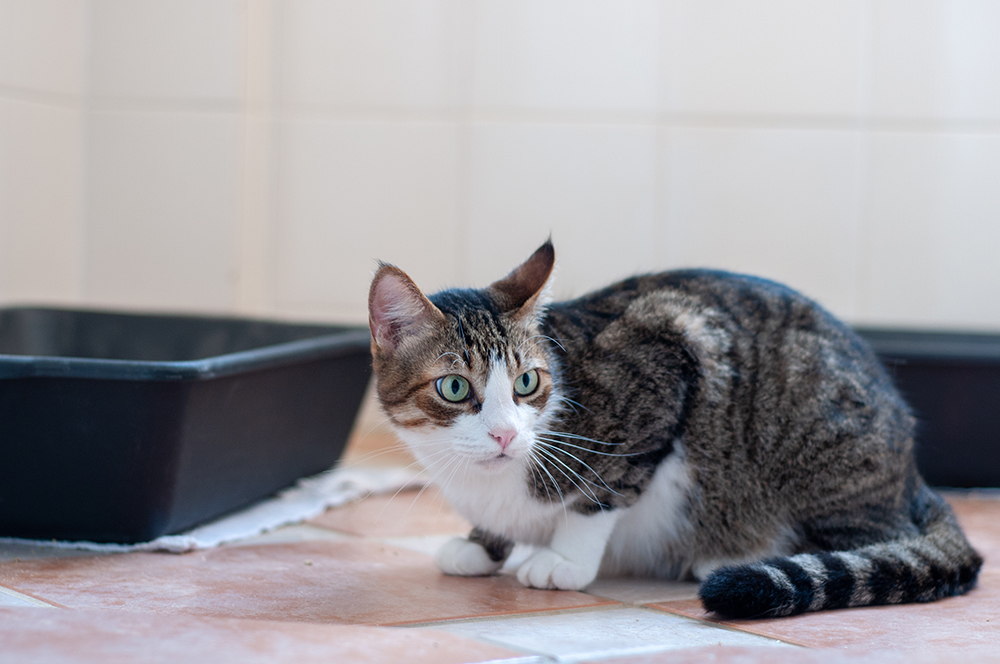
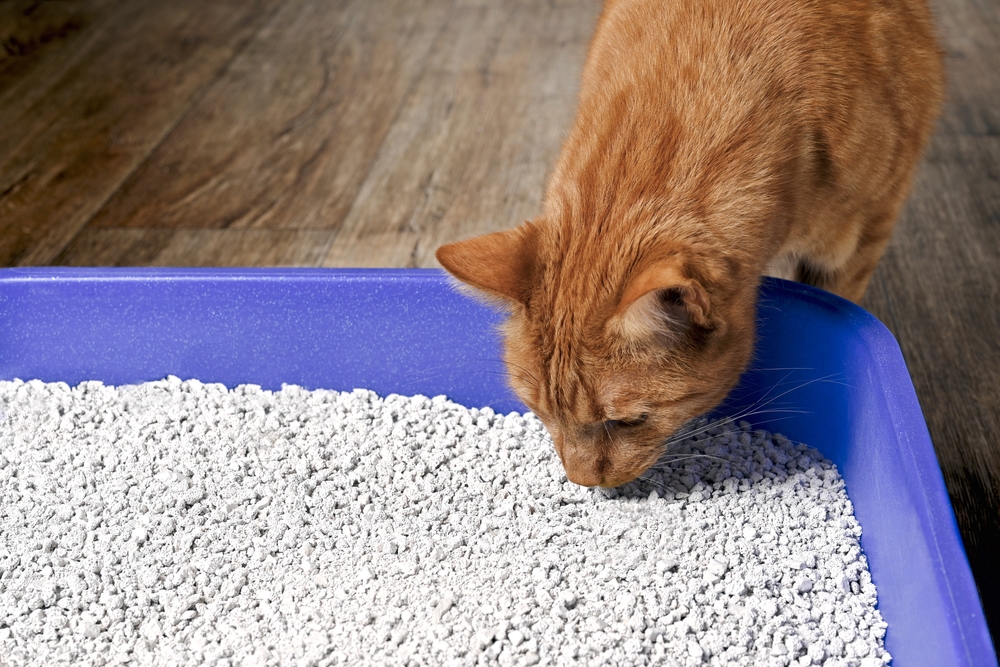
If you’re sick of regular cat litter and were wondering if there are any alternatives you could use, we have good news! Cats prefer sandy litter to do their business but aren’t that picky and use whatever’s most suitable. Dirt, paper, wood shavings, and many other common waste products make satisfactory litter alternatives.
Whether you personally dislike litter, have asthma that the dust triggers, or want something cheaper, you have several choices. Check out the most widely available cat litter alternatives you might already have at home below.

What To Do About Litter Box Odors
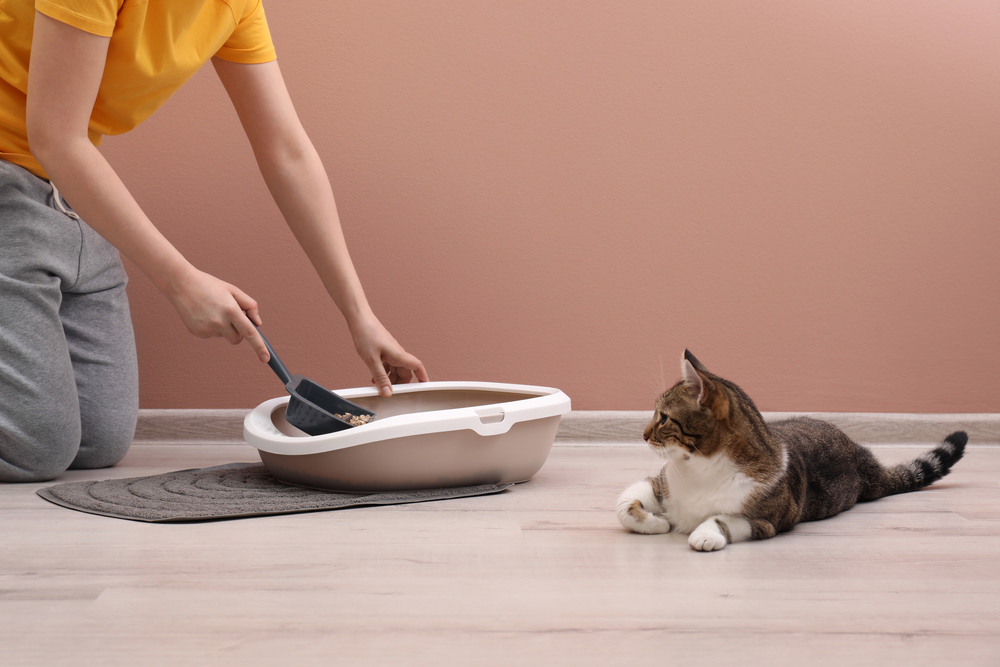
As all cat owners can attest, litter boxes can have a very pungent smell. Apart from having the right cat litter, regularly cleaning the litter box and having it in a well-ventilated area, using a litter additive or deodorizer can significantly help combat litter box odors. An enzyme cleaner works wonders for pet messes and odors making it a great addition to your kitty cleaning routine.
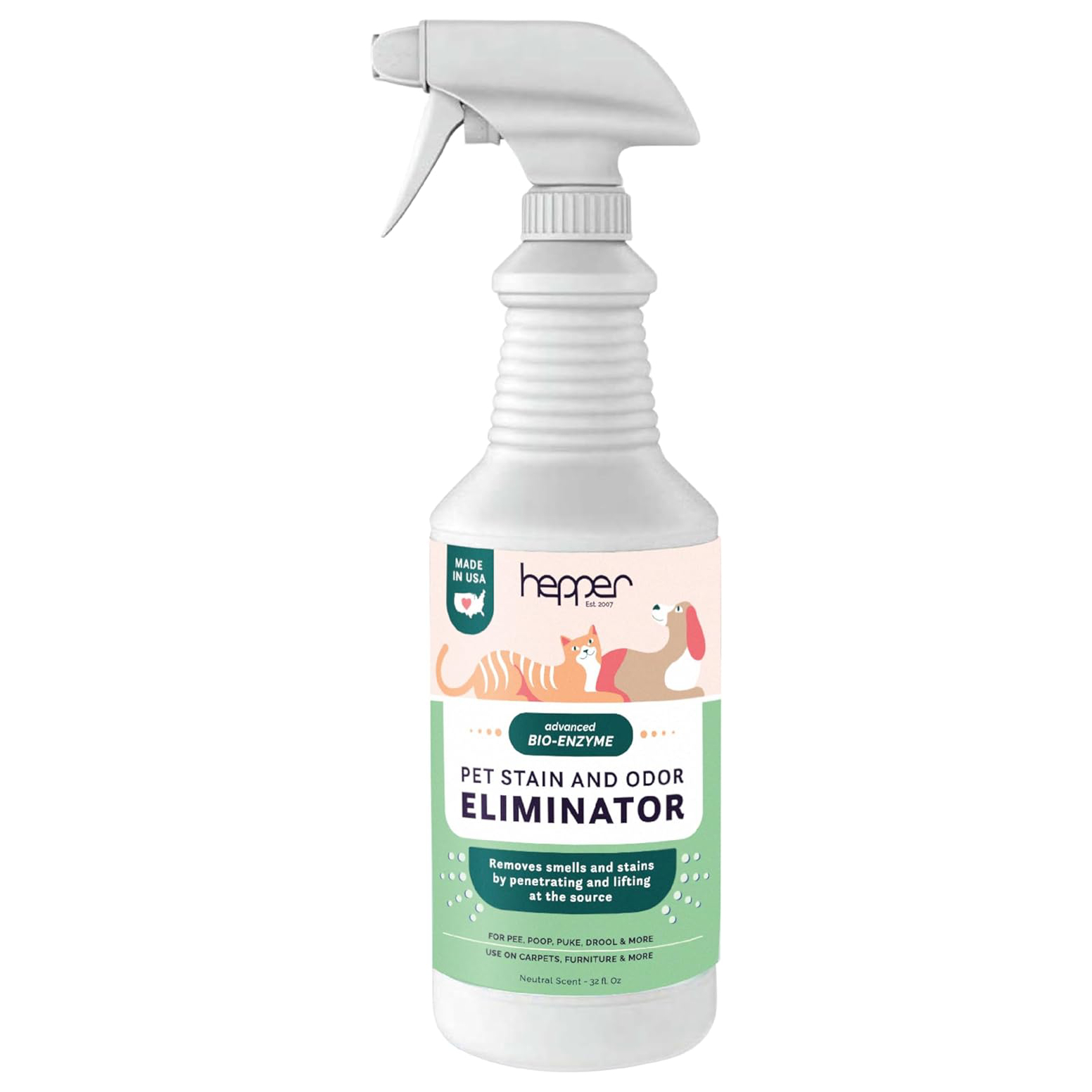
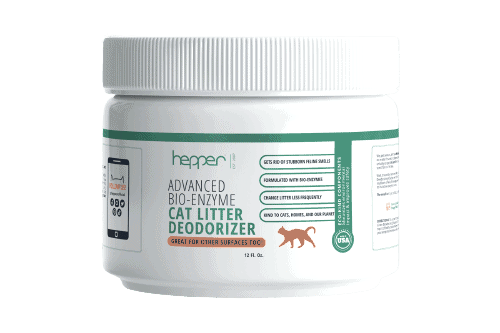
Combating tough cat litter smells is an ongoing battle for pet parents but luckily, there are products out there designed to help! Two products that significantly reduce odors are the Hepper Litter Additive and the Hepper Enzyme Spray.
| Image | Product | Details | |
|---|---|---|---|
|
Hepper Advanced Bio-Enzyme Pet Stain & Odor Eliminator Spray |
|
Check Price |
|
Advanced Bio-Enzyme Cat Litter Deodorizer |
|
Check Price |
At Catster, we’ve admired Hepper for many years and decided to take a controlling ownership interest so that we could benefit from the outstanding designs of this cool cat company!
The 10 Cat Litter Alternatives
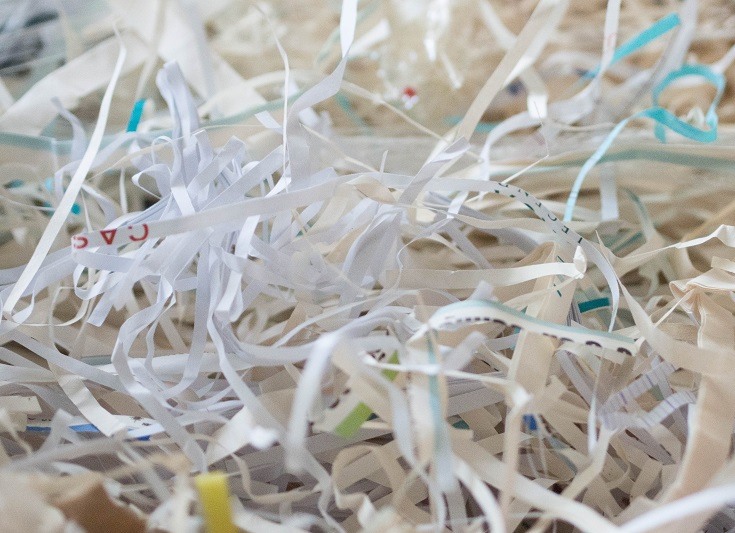
1. Paper

All types of paper work, but to make it work long-term, you’ll need access to a paper shredder and a ton of paper. Shredded paper, like newspaper, doesn’t absorb moisture as well as other litter choices and must be changed frequently to prevent odors. Paper is a great choice because it produces no dust, which is a godsend for homes with asthmatics.
Pros
- Widely available
- Affordable
- Low to no dust
Cons
- Relatively low absorbency
- Needs to be frequently changed
2. Toilet Training

Perhaps the best long-term solution for those who dislike litter is to train their cat to use a human toilet. This will eventually remove the need for purchasing litter (or replacing a litter box). Because your cat switches to using a human toilet, it even offers you a way to monitor their toilet habits, and seek veterinary care if necessary.
Though some cats can learn to manipulate a toilet flush plunger (depending on its shape, size, and location), it’s not encouraged to teach your cat how to do so. This is because your cat wouldn’t know to flush after they’ve done their business. Instead, they may turn flushing into a game, which would waste water and come with a hefty bill as well.
Pros
- Eliminates long term litter and litter box purchase
- Economical in the long run
- Makes monitoring toilet habits easier
Cons
- You must flush for your pet
- Not all cats are easily toilet trained
3. Sand

Cats love sand, though it’s much messier than regular cat litter. Nearly any type of sand can work. However, you shouldn’t source sand from anywhere (such as a beach or your front yard), as doing so might expose your cat to unwanted and potentially dangerous pathogens. This is especially true if the sand has been used by other animals.
Pros
- Widely available
- Affordable
Cons
- Relatively low absorbency
- Needs to be frequently changed
- Messy
4. Chicken Feed

Chicken feed pellets look very similar to cat litter pellets, and they do roughly the same job. Because chicken feed is made of corn and similar agricultural products, it doesn’t produce dust while clumping into easily cleaned lumps.
You can add baking soda to help control odors, and you'll have a great alternative to regular litter. The biggest downside of chicken feed is that rodents and bugs love it, so be careful about attracting pests into your house. In addition, the ingredients inside the feed can sometimes even tempt your cat to sample some of their litter, which can be undesirable.
Pros
- Widely available in agricultural settings
- Clumps well
- No dust
Cons
- Attracts vermin and insects
- Needs baking soda for odor control
- Your cat might eat their own litter
5. Puppy Pads

Owners with small dogs or puppies will already have some of these on hand, and your cats may have encountered them before. Cats learn how to use pads very quickly, but beware that some may have an issue with being unable to bury their poop and bunch the pads up in an effort to hide them.
Pros
- Designed to absorb moisture
- May already be familiar to your cat
- Widely available
Cons
- Unable to bury or hide poop
- Some cats will bunch or shred the pads
6. Potting Soil

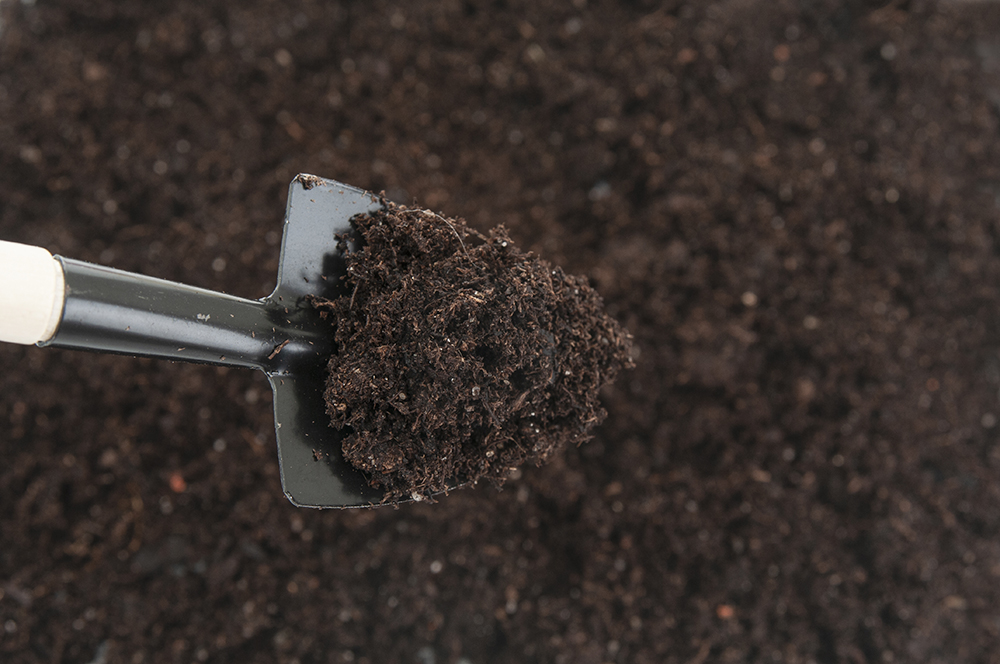
Cats love to do their business in the garden, and you can take that experience inside by using potting soil instead of cat litter. It makes more of a mess than litter, but the fresh soil smell does a good job at odor control, and it’s biodegradable. In addition, some soils are prepared with fertilizers and chemicals (for pest control) which can be dangerous for pets.
Pros
- Widely available
- Easy to get in bulk
- Biodegradable
Cons
- Messy
- Some soil products may contain unsafe additives
7. Rabbit Food Pellets

Yes, the same food bunnies eat makes good cat litter substitute. The pellets clump together like litter and do a decent job of covering up the foul litter odor.
Like the other animal feed choices on this list, rabbit pellets attract rodents and insects, which can be a dealbreaker for some people. They also don’t hold as much moisture as clay litter.
Pros
- Clumps together like cat litter
- Relatively low odor
- Cheap
Cons
- Fairly low absorbency
- Attracts pests
8. Artificial Grass

Many artificial turfs are good choices for an alternative to cat litter because they’re easy to clean and aren’t burned by your cat’s urine like real grass. Patches of artificial grass can sometimes replace puppy pads, or you may consider training your cat to go outside on your turf. It can be a hassle to clean, but the upside is that you don’t have to keep buying litter.
A potential problem is that some cats may inadvertently bite and swallow the artificial grass if it isn’t resilient enough, which can lead to a sick pet. The removal of the grass may also involve surgery. Therefore, extreme caution is recommended with artificial grass.
Pros
- Not burned by cat urine like real grass
- Easy to wash off
- Can be used indoors or outdoors
Cons
- Harder to find than other products
- Cleaning can be a pain
- Harmful if swallowed by your pet
9. Wheat

Wheat litter is made from rejected components that are not good enough to go into food and take the form of little pellets like chicken feed or rabbit pellets. It works well as a litter by clumping but kicks up dust and tracks around the house.
Whole wheat works in a pinch if you have lots of it. The natural texture of wheat can be coarse and unpleasant for your kitty’s paws, which you can remedy by popping it in the blender to get a finer consistency.
Pros
- Widely available
- Affordable
- Low to no dust
Cons
- Relatively low absorbency
- Needs to be frequently changed
10. Wood Heating Pellets

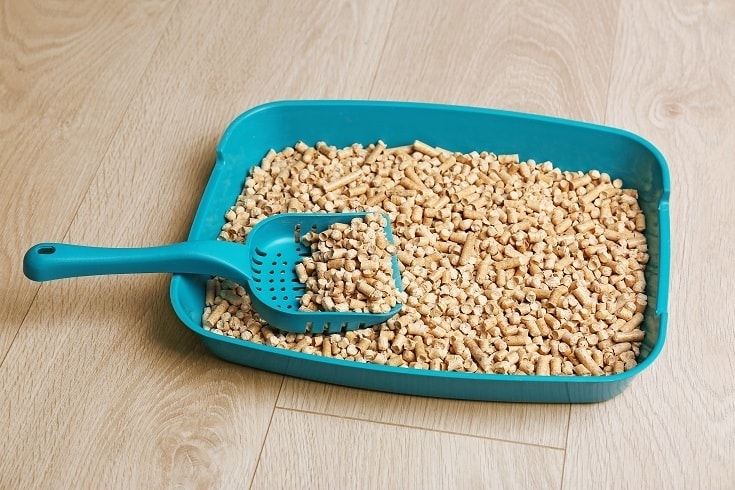
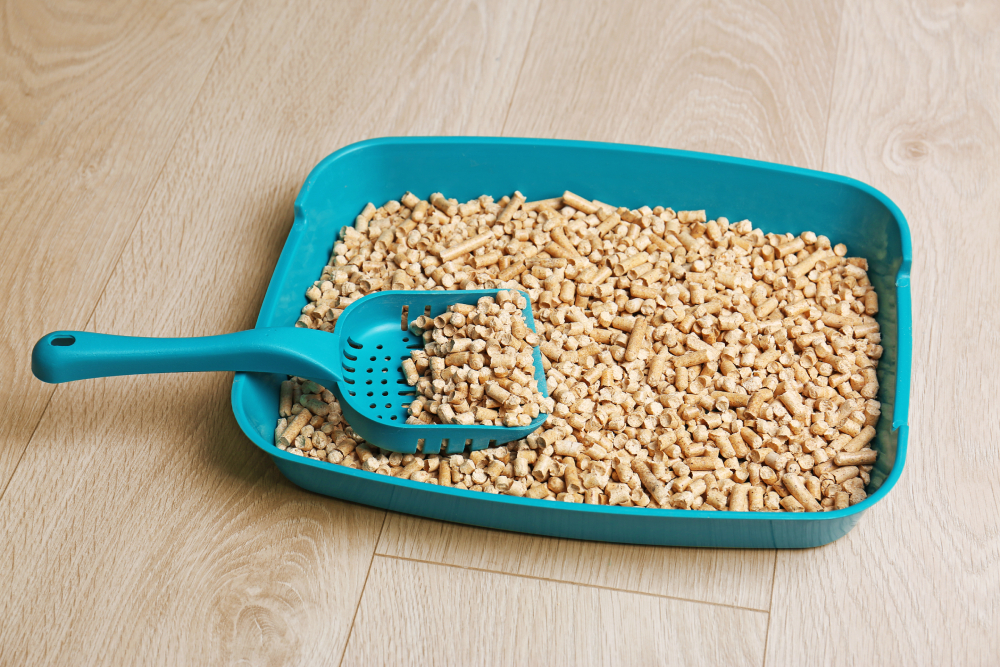
Homes that use pellet stoves for heating in the winter can put them to use as your cat’s litter. The wood pellets are one of the best cat litter alternatives because they absorb a surprising amount of moisture, have a naturally fragrant woody odor, and aren’t too hard to clean up.
Pros
- Absorbs a lot of moisture
- Eco-friendly
- Affordable
Cons
- Doesn’t clump
Conclusion
Cat litter isn’t your only choice; you can use sand if you live near an abundant source or use the wood shavings and sawdust from your workshop. Puppy pads, potting soil, and other materials also work as cat litter alternatives, albeit with their pros and cons. If, for whatever reason, you don’t like regular cat litter, consider using one of the alternatives we listed above.
See also:
Featured Image Credit: Africa Studio, Shutterstock

Expert cat care, straight to your inbox
Vet-reviewed advice, behavior tips, and the best of Catster. Free, and you can unsubscribe anytime.
By signing up, you agree to our Terms & Conditions and Privacy & Cookies Policy.
Codee Chessher is a freelance writer with extensive knowledge on a variety of subjects that include travel, DIY, pets, and more. He has a colorful past but the written word was always his first love. He believes there's nothing a well-worded sentence can't accomplish!
When not writing, Codee enjoys reading fantasy novels, tackling DIY projects around the house, and memorizing useless pop culture trivia. He has lived in many places around the US, and most recently resides in northern Mexico.
Join the conversation
Ask a question, share your story, or send private feedback.