How Often Do Cats Need Shots & Other Preventative Treatments? (Vet Answer)

In this article
As a cat owner, you’re likely aware that it’s in your kitty’s best interest for you to stay up to date on their shots and other preventative treatments, such as heartworm and flea-and-tick medications. The problem is that it can be difficult to remember how often those things need to be given. The short answer is that it depends on the product that you’re using, but for the most part, cats need vaccinations every 1–3 years and flea, tick, or heartworm medications once per month. Be prepared for variations in that schedule, though.
Fortunately, the vet will know your cat’s schedule for the particular product, and they should be on top of reminding you when things are due.

What Shots and Other Preventative Medications Do Cats Need?
Let’s first do a quick rundown of what vaccinations and medications you may need to remember so we can then go over how often to give those.
1. Core Vaccines for Cats
Core vaccines are what’s considered the minimum for every cat. That means your indoor cat, your outdoor cat, and your cat that you have no idea where they came from or if they’ve been given anything in the past. All kitties should have these vaccines:
- Rabies
- Feline calicivirus (FCV)
- Feline herpesvirus 1 (FVH-1)
- Feline panleukopenia (FPV)
- Feline leukemia (FeLV)
You may see FeLV considered a core vaccine only in kittens in certain veterinary clinics and then be optional in adults, or you may see it considered core in both kittens and adults. A vet will be the best source for this information.
2. Non-core Vaccines for Cats
Non-core vaccines are those that may be recommended in certain situations, typically if a cat is at a particularly high risk for contracting one of these diseases. Non-core vaccines may include:
- Bordetella bronchiseptica
- Chlamydophila felis
- Feline leukemia for adults
3. Preventative Care Medications for Cats
In a perfect world, your kitty would see the veterinarian once to twice a year for a regular checkup that would include dental care, vaccinations, and blood work if needed. Not only does this give you the best opportunity to ask any questions about what’s normal/abnormal in your cat’s behaviors, but it also helps the vet get the jump on catching health issues before they have a chance to reach full bloom.
Annual or biannual checkups are also ideal times for ensuring that your feline friend is covered when it comes to preventative medication. For most cats, it means a year-round heartworm and internal parasite medication. They should also preferably be on a year-round flea preventative and tick protection, depending on the situation.
Fortunately, many products will cover all these issues with just one topical, injectable, or oral dose. A vet will be able to prescribe the best product for your individual cat at these checkups and make sure you have medication to keep you covered the whole year.

Do Cats Need to be Vaccinated Every Year?
Now let’s discuss when all these vaccines and medications need to be given. Don’t expect an exact answer; instead, what you’ll see here is a common range for when these things should be given. The exact timeframe will be determined by the veterinarian.
Cat Vaccination Frequency
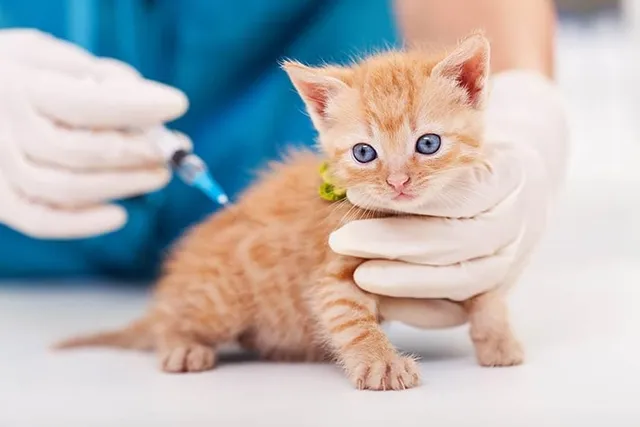
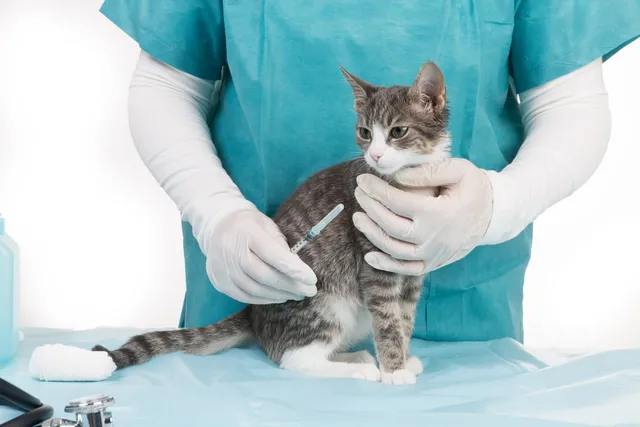
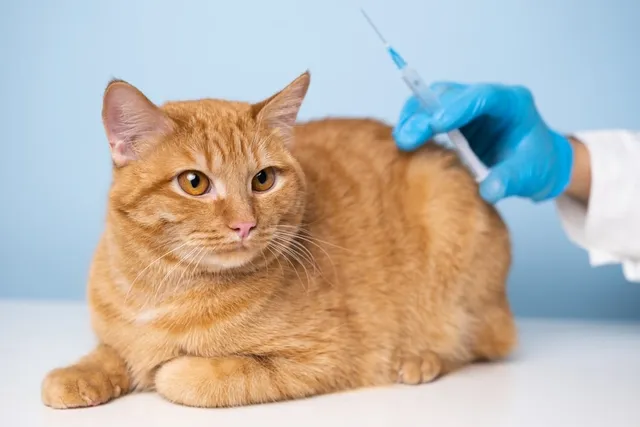
Once your kitty has received their initial shots, usually consisting of a series of two to three, they will need a booster a year later. This goes for core and non-core vaccines. After that booster, most vaccines are set up to be given every 1–3 years. This means an indoor kitty that rarely interacts with the outside world might be fine getting their core shots every 3 years, while a kitty that spends quality time outdoors interacting with the neighborhood feline population would do best with boosters given once per year. These kitties are also prime candidates to receive some of the non-core vaccines depending on what’s prevalent in the area.

Cat Preventative Medication Frequency
The frequency with which you should give preventative medications will depend on the product. For cats, that’s typically every 30 days. These medications should be given year-round to prevent issues and to help keep you in a regular routine so you’re less likely to miss a dose.
There are many preventative products out there, with most of them working to prevent all the problematic parasites. While it’s nice to have options, it can also be overwhelming. Speak to a veterinarian rather than just going over the counter. Veterinarian-prescribed products may be more expensive and a bit more of a hassle to get your hands on, but they will be chosen with your specific feline in mind. They are generally more effective and safer than medications not sold through a veterinary hospital.
How Do You Know When Your Cat Needs Shots?
The last thing that you need is another reminder on your phone or another entry on your calendar, but for your kitty to live their healthiest life, you’ll want to make sure they’re up to date on their vaccinations and preventative medications. Fortunately, the veterinarian is there to help you remember.
Most clinics will provide you with a health record when you first bring your cat in. If they don’t, ask them! This works as a written record of what your kitty received and when, and it often has a place to put future needs. The vet will also have a record of these things, and many will send out reminders when your cat is due. If they don’t, create your own digital or paper reminder so your cat doesn’t miss an appointment.
As for preventative medications, many vet techs will give you stickers for your calendar if you’re using a paper version, or you can program it into your digital calendar to remind you every 30 days. You may want to enlist the help of other members of your household, or if all else fails, call the veterinarian.

What Happens If You Don’t Vaccinate Your Cat?
If you don’t have your cat vaccinated or if you allow extra time between boosters, your cat may be at an increased risk of contracting disease. How great that risk is will depend on their lifestyle, but even strictly indoor cats aren’t immune. Since a few of these diseases can be fatal, vaccinations are the best way to keep your cat healthy.
For parasites, you can definitely treat your kitty after they’re infested, but keep in mind that besides just living off your cat, certain parasites can transmit diseases. These illnesses may have already passed to your cat by the time that you start treatment, or the parasites can be passed to you.
Prevention is always the best medicine, so while letting your cat’s vaccinations or preventative medications lapse may not seem like a big deal at first, it could take a turn that way.
Conclusion
Most typical healthy cats are going to need shots every 1–3 years. What they get and when will depend on their lifestyle and the area you live in, as determined by a vet. Preventative medications are often given every 30 days, but be sure to read your product label, as some can vary. If in doubt, contact the veterinarian for a complete schedule of your cat’s health care needs. See Also:
Cat Preventive Care for Good Health & Longevity: 8 Fundamental Pillars
How Often Should You Take Your Cat to the Vet? What Vets Recommend
Sources
Featured Image Credit: YULIYA Shustik, Shutterstock
Expert cat care, straight to your inbox
News, insights, and useful advice, delivered to you.

No spam — unsubscribe anytime.
By signing up, you agree to our Terms & Conditions and Privacy & Cookies Policy.
How useful was this post?
Click a star to rate. You can leave written feedback afterwards. (We read all feedback.)
Dr. Chyrle Bonk DVM (Veterinarian)
On top of healing animals and writing for veterinary publications, Dr. Chyrle Bonk owns a small cattle herd! When she’s not busy with those things, she can be found somewhere in the Idaho outdoors with her husband and two kids.
Chyrle has practiced in a mixed animal clinic for over 10 years. She also writes for various veterinary websites and magazines, like Catster!
Dr. Chyrle Bonk received her Doctor of Veterinary Medicine (DVM) from Oregon State University in 2010.