7 Natural Remedies for Cats With Asthma: Our Vet Explains

In this article
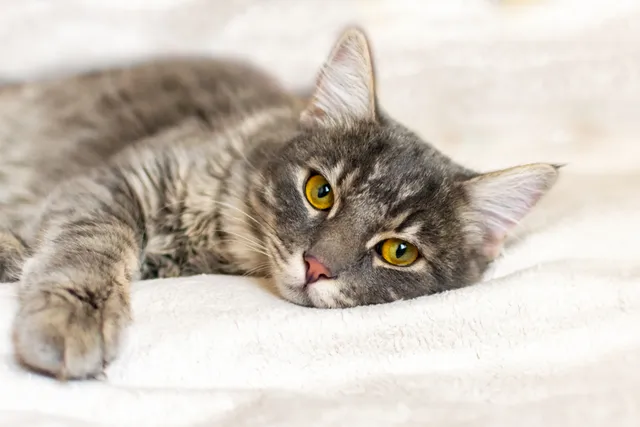
If you have seen someone have an asthma attack or experience them yourself, you know how scary they can be. The feeling of desperately needing air but being unable to draw any into your lungs is terrifying. Fortunately for our feline friends, true asthma attacks aren’t as common as they are in humans, but around 5% of cats do suffer from asthma.
Just like with humans, feline asthma is a multifactorial condition, and medical treatment is typically aimed at managing the clinical signs, as a cure for the actual condition does not yet exist. And just like with humans, corticosteroids tend to be the mainstay of veterinary treatment. But what else can we do to help manage feline asthma?
There are a number of natural remedies and approaches that we can take to manage this condition, some that we can implement at home and others that our vets can help with. We’re going to take you through seven natural remedies and approaches for cats with asthma. But first, we need to understand a little more about the condition itself.

What Is Feline Asthma?
The trouble with diagnosing, classifying, and treating asthma is that there is no single trigger or cause. In many cases, allergens like pollen and dust will trigger the condition. Sometimes physical exertion or stress are to blame, and other times, there seems to be no obvious cause at all.
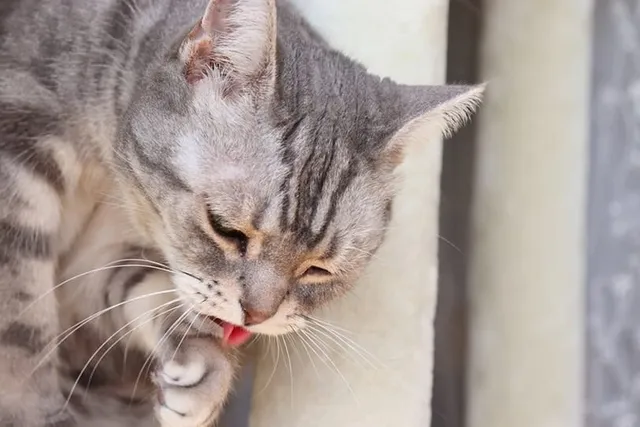
Scientists do agree that asthma has a genetic component, with the disease running in family genetics and being more prominent in certain cat breeds, like the Siamese. Although environmental allergens aren’t always to blame, the way asthma affects the airways is very much like an allergic reaction. The wheezing, coughing, and shortness of breath that are typical of asthma occur as a result of inflammation of the small airways in the lungs, with swelling and mucous secretions making it difficult to properly inflate the lungs. This inflammation is due to a hypersensitivity reaction, where the body’s immune system has mounted an unnecessary and exaggerated immune response.
There is no specific test for asthma, and diagnosis is based on your cat’s history and clinical signs, and by ruling out other possible conditions like bronchitis, pneumonia, certain parasites, and even hairballs.
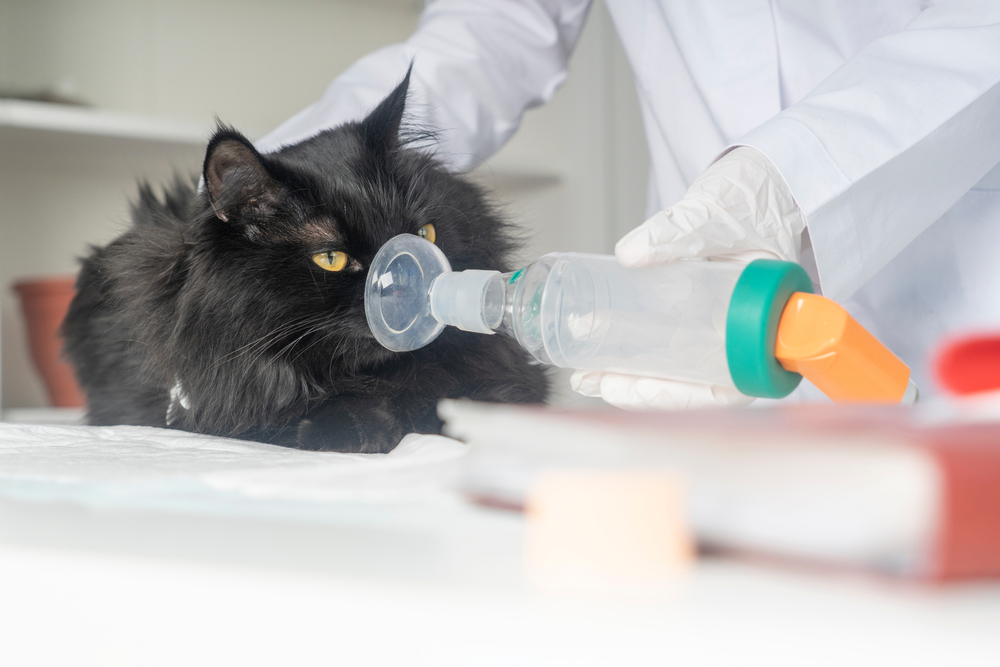
As with most hypersensitivity or autoimmune conditions, corticosteroids like oral prednisone or inhaled Ventolin are usually prescribed to suppress the immune reaction. Bronchodilators may also be used to help open up the smaller airways.

The Benefits of Corticosteroids
The steroids we use in medicine are not the same as the ones used by some athletes and bodybuilders. Corticosteroids are both wonderful and terrible drugs; wonderful in that they can save lives, terrible in that they do so at a cost to the body.
In veterinary medicine, steroids are used to manage a huge number of conditions, including cancer, skin disease, autoimmune disease, inflammatory conditions, and of course, asthma. It does this by suppressing the immune system when it is producing too much of an inflammatory response (hypersensitivity reaction) or attacking the body’s own cells (autoimmune disease).
The Downside of Corticosteroids
As you can imagine, suppressing the immune system can be problematic, as it can open the body up to infection. Steroids can also cause delayed wound healing, liver problems, thin skin, weight gain, and increased urination. In cats, it can also trigger prednisone-induced diabetes mellitus, so cats on high doses need to be monitored carefully.
Because of the potential for numerous serious side effects, corticosteroid doses are always aimed at achieving the lowest therapeutic dose (i.e., using just enough to manage the condition and no more).
Although cats with asthma will likely need to be treated with steroids at some point, there are some natural remedies and methods that may help keep that therapeutic dose as low as possible.
The 7 Natural Remedies for Cats With Asthma
If your cat suffers from asthma, your vet should always be your first point of contact for advice, but these are some additional tricks and techniques that will help.
1. Air Purification

We know that allergens in the air, like pollen, dust, and dander, can set off allergies and asthma attacks, so minimizing these as much as possible is one of the best things you can do for your cat’s asthma—and everyone else’s health too!
Ensuring any vents in your house and your vacuum cleaner contain HEPA filters is a simple way to minimize airborne allergens, and investing in a good-quality air purifier or two will go a long way to helping your cat breathe more easily.
If you keep flowers, candles, incense, aerosol sprays, or reed diffusers to keep your home smelling fresh, these could also irritate your cat’s airways. The safest options are odor absorbers, gel air fresheners, and pump spray bottles rather than aerosol cans.
2. Cleaning, Cleaning, and More Cleaning

Another simple way to reduce your cat’s allergen exposure is by maintaining a strict cleaning routine. Vacuum cleaning is the number one best way to reduce household allergens, and don’t forget to pay attention to the areas where your cat spends the most time, like cat trees and beds. Be sure to wash any blankets or bedding weekly, and always choose non-bio or hypoallergenic cleaning products.
Keep your cat out of the way while you’re cleaning, as this is when a lot of dust gets stirred up.
Did you know there's an enzyme cleaner that does it all? The Hepper Advanced Bio-Enzyme Pet Stain & Odor Eliminator Spray permanently removes the very worst smells and stains (truly, everything you can imagine!), and they offer a 100% satisfaction guarantee! Click here to get yourself a bottle.

- ADVANCED ENZYMATIC CLEANER - Penetrates the most stubborn smells and stains at the deepest molecular levels to dissolve any pet mess you encounter and lift it away at the source.
- FOR ANY MESS, ON ANY SURFACE - This pet odor eliminator cleans your carpets, floors, furniture, fabrics, and more. Whether it's urine, feces, vomit, or drool, you can erase all foul spots and smells!
- FRESH, NATURAL ODOR - Our unique formulation doesn't rely on dangerous or unpleasant chemical fragrances to get the job done. We eradicate smells and stains, not just cover them up.
At Catster, we’ve admired Hepper for many years, and decided to take a controlling ownership interest so that we could benefit from the outstanding products of this cool cat company!
3. Low-Dust Cat Litter

Some cat litters are dustier than others. Cheap clay litter tends to throw up quite a cloud of dust, and some wood-based pellets can also get a bit dusty. Aim for litter that is reliably low or no dust.
Another litter box asthma trigger is covered boxes. Although they may look and smell better to us, the reduced ventilation means that your asthmatic cat is being exposed to aerosolized particles. If you do need to use a closed-in litter box, remove any flap doors, and aim for one that is tall and has vents to allow good airflow.
4. Acupuncture

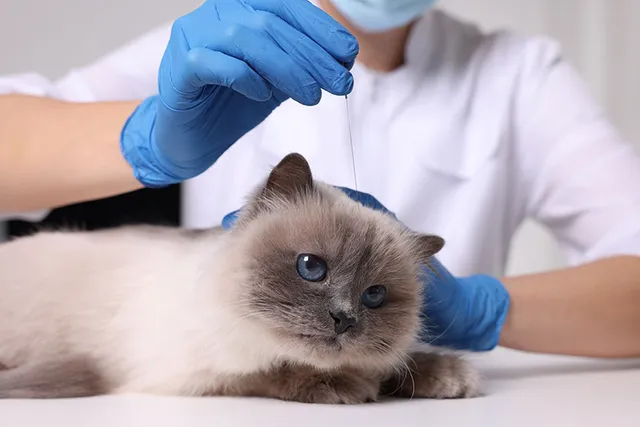
The therapeutic benefits of acupuncture are being increasingly recognized in both human and veterinary medicine, and there have been numerous cases where asthma cases have responded extremely well to this treatment. Cats treated with acupuncture for asthma have been able to reduce and, in some cases, stop their steroid therapy.
5. Acupressure
Using the same points used in acupuncture treatments, you can apply pressure using one or two fingers to achieve similar results, which could be useful if your cat is experiencing a flare-up of their clinical signs. We recommend revising these points and your technique with your veterinary acupuncturist to ensure you are doing the right thing.
6. Keep Calm and Avoid Stress

We know that stress and overexertion can trigger asthma attacks in humans, so avoiding these for our asthmatic cats makes sense too. If your cat is prone to attacks of the zoomies, make sure they don’t get themselves out of breath. If your cat is having a flare-up of their asthma, try some firm, soothing strokes along their back and chest to help calm them down.
Those caring for anxious cats understand the struggles and discomfort that their companions feel on a daily basis. The innovative bowl shape of the Hepper Nest Bed provides nervous pets with support and its high sides offer a sense of security, diminishing stress and worry. To learn about how to the Hepper Nest can provide solace to your cat, click here.

- COMFY KITTY - Your cat or kitten will have an amazingly deep sleep in this self warming, nesting cat bed. The warm, fluffy cat bed lining provides calming stress relief for cats of all ages.
- PRETTY HOME - This round cat bed has a modern and unique design that’s perfect for a sleek indoor look. We don’t think of it as cat furniture but think of the Cat Nest as a “cat home”.
- SPACE SAVER - Reclaim your desk, window sill, or couch from kitten encroachment. This calming nest cat bed has an elevated, space-saving hideout so comfortable your kitty can't resist!
At Catster, we’ve admired Hepper for many years and decided to take a controlling ownership interest so that we could benefit from the outstanding designs of this cool cat company!
7. Diet

No specific link has been found between food allergies/intolerances and asthma; however, it stands to reason that if something triggers an inappropriate response from the immune system, it may also have an effect on their asthma.
If your cat is struggling to stabilize, talk to your vet about having specific allergen tests to see if there is anything else in their environment or food that could be making their condition worse. Alternatively, you could explore some low-allergen foods, such as fresh food diets, that do not contain any preservatives, additives, or fillers.
Natural or Alternative Therapies to Avoid
While there are lots of ways we can naturally help our asthmatic cats, there are some that are unproven, unhelpful, and even unsafe. We advise against using these natural remedies for cats with asthma.
1. Homeopathy
Not to be confused with holistic, natural, or traditional Chinese medicine (TCM), homeopathy is the use of very diluted solutions or tinctures of various plant or animal substances to “treat” a range of conditions. In many cases, the dilutions required to make certain substances safe make them almost indistinguishable from water. While TCM and other natural approaches are increasingly accepted by the wider medical community, homeopathy is generally regarded as pointless at best and dangerous at worst.
2. Steam or Salt Inhalation
Although salt or steam inhalation can have a soothing effect and help open the upper airways, there is no scientific evidence to support its effectiveness in treating asthma, and some individuals actually find that the steam irritates their condition.
3. Essential Oils
While a few essential oils, when used correctly, can have some beneficial or calming effects, you are more likely to do more harm than good. And like with steam therapy, the fumes from essential oils can potentially trigger asthma rather than help it.

Final Thoughts
There is definitely a time and place for including natural remedies in your cat’s care, but it is also vital to only ever do so under the guidance of your vet. When it comes to alternative therapies, it is essential to realize that these should be explored alongside modern medical treatments, not instead of them.
A truly holistic treatment approach aims to incorporate a range of treatment modalities to address the whole patient. When used together, natural remedies may reduce the dose of medication needed to manage your cat’s asthma, but balance is the key to success. Don’t be afraid to talk to your vet about how to include some of these treatments and techniques in your cat’s treatment plan, but be sure to listen to their advice.
Sources
Featured Image Credit: rock the stock, Shutterstock
Expert cat care, straight to your inbox
News, insights, and useful advice, delivered to you.

No spam — unsubscribe anytime.
By signing up, you agree to our Terms & Conditions and Privacy & Cookies Policy.
How useful was this post?
Click a star to rate. You can leave written feedback afterwards. (We read all feedback.)
Dr. Karyn Kanowski BVSc MRCVS (Veterinarian)
Dr. Karyn comes from Queensland, Australia, and has lived in the UK for the past 10 years. In 2010, she graduated from The University of Queensland School of Veterinary Science and also has a Bachelor’s degree in Zoology. She is passionate about using evidence, experience, and owner collaboration to provide the best solutions for pets, and believes in making reliable information about animal health accessible to all. Dr. Karyn shares her home with five cats, four dogs, and one husband. When she is not in the scrubs, she spends her time writing, gardening, and cleaning up pet hair!