How To Make An Outdoor Cat Into An Indoor Cat


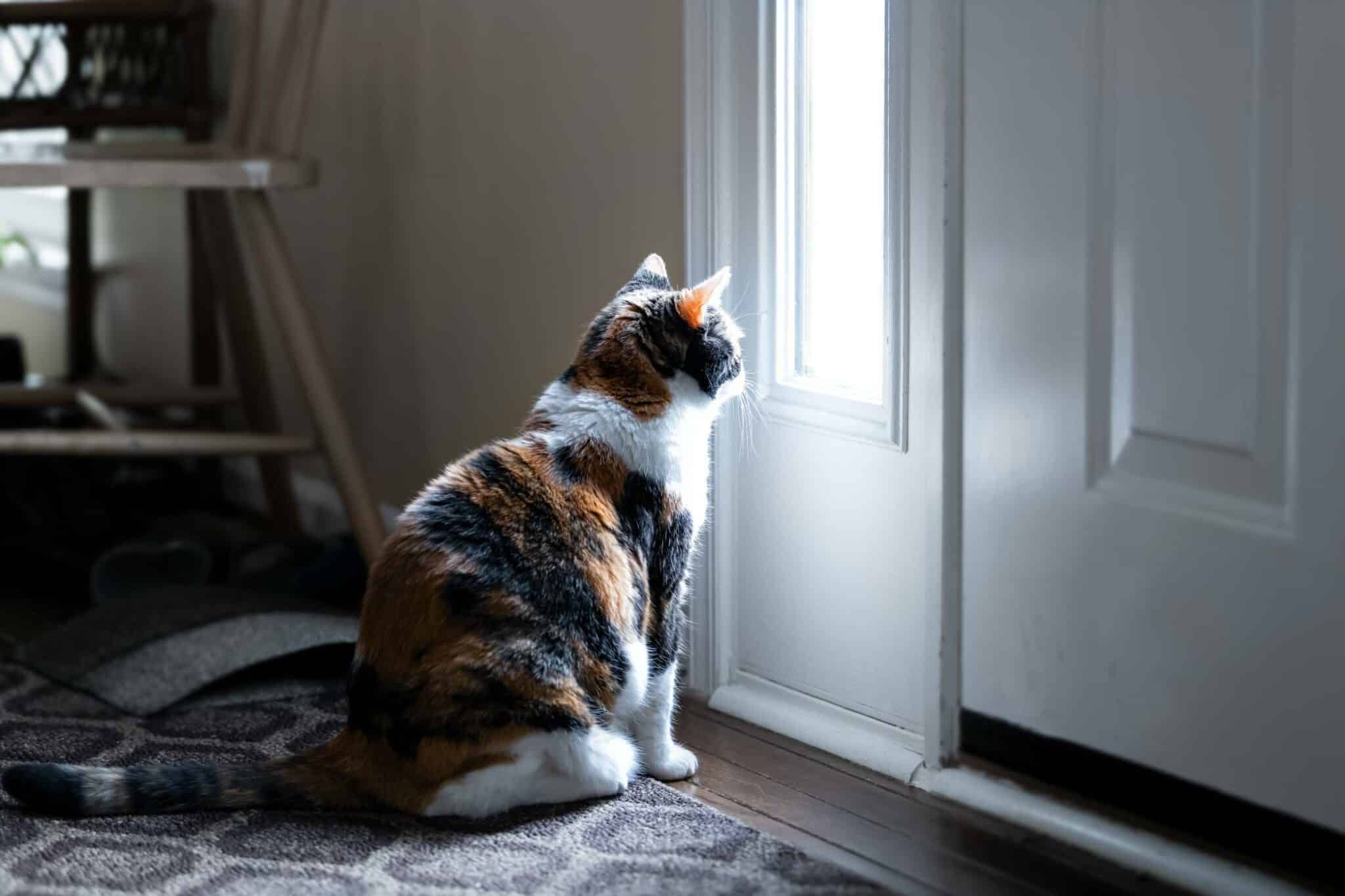
There are many reasons why your outdoor cat is now transitioning to life as an indoor cat. Your kitty could be getting older and need a warmer, more comfortable environment. You may wish to decrease their vulnerability, as outdoor cats are more susceptible to road accidents, animal attacks, and the weather. As another example, may require an indoor lifestyle following surgery or a new medical diagnosis, or you simply may want to take advantage of the higher average of an indoor cat's lifespan. In fact, indoor cats generally live to 20 years old, while the average outdoor feline only lives 2 to five years 1.
This decision and the subsequent change of their habitat will be a gradual and slow process. It won't happen overnight, and simply bringing them in and keeping them inside from the get-go will likely cause more stress and problems than you bargained for—for both you and your cat. The transition process requires patience, persistence, and positive reinforcement.

How to Transition Your Outdoor Cat to Being an Indoor Cat
1. Accept That the Transition Happens Slowly
Gradually increase your cat’s time spent indoors and take it day by day. This is to reduce the stress, frustration, and anxious feelings your outdoor cat may feel due to suddenly being in an area with limited space. Using treats, their favorite food items, toys, and affection to create positive associations with being inside is a great way to help the situation and assist your cat in feeling safe and at ease.
2. Parasite Control
Indoor and outdoor cats both need appropriate parasite preventatives. You should already be treating your cat with a quality veterinary flea and worm treatment recommended by your vet, but ensure it is up to date before beginning your cat’s new move. The only creature you want to bring inside your home is your cat.
3. Provide a Safe and Comfortable Indoor Sanctuary
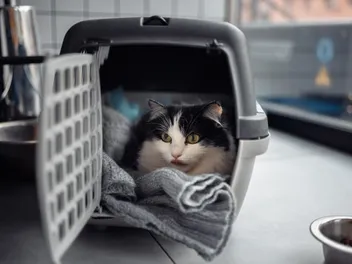
Set up a designated area or ideally a room with a comfortable bed, litter box, toys, and some familiar items from outside. Their food and water bowls can also be placed here but keep them away from their litter box. Ensure the indoor environment is secure (especially the windows), has ventilation, is free from potential hazards, and is at a comfortable temperature.
4. Feed Them Inside

In the beginning, help create positive associations with being inside the home by feeding their meals or treats indoors. Consider using puzzle feeders or food-dispensing toys to keep them as mentally stimulated as possible.
5. Provide Entertainment
A bored cat can become frustrated, which can lead to further issues, such as aggression or destructive behaviors. Providing entertainment in their new, less busy environment helps to offset this. Offer toys and engage in play, cuddle time, and grooming to keep your cat stimulated and active. Take note of their favorite choices and pastimes and do more of that with them regularly.
6. Litter Box Training

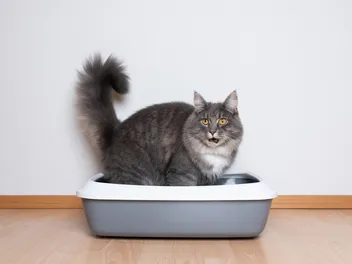
Ensure your cat has a clean and accessible litter box, as using a litter tray may take an outdoor cat time to adjust to. Experiment with different types of litter to find what your cat prefers, as these little details matter. If they are used to going to the toilet outside in soil or sand, try using these materials in their litter tray. There are many commercial and natural options for litter available.
7. Provide Vertical Spaces
Cats like to climb. Not only does this provide health benefits like keeping the claws in good condition, but it is also entertainment and exercise for them, as well as a relief strategy and a stress reducer. If a feline is anxious, scared, unsure, or simply wants to observe their surroundings, they will sit or hide in high places. Providing large cat trees/scratching posts can help them feel safer and more relaxed while indoors.
8. Regular Veterinary Check-Ups

Schedule regular check-ups with your veterinarian to ensure your transitioning cat is healthy and to address any concerns during the process.
9. Identification
If this isn’t in place already, ensure your cat has proper identification, such as a collar with an ID tag and a microchip, in case they accidentally escape. Identification may also be a legal requirement for owning a pet depending on where you live, and these laws need to be adhered to.
10. Be Patient

Understand that this swapping of their environment and lifestyle may take time to adjust to, and some cats will transition more quickly than others. Start small and for short periods. Gradually increase their time indoors and decrease it outdoors until they are a full-time indoor cat. Note that some cats may simply never transition into being indoors, and therefore an appropriate balance will need to be established.

Conclusion
Changing your cat’s lifestyle and abode from outdoors to indoors is generally doable and many do it with success. Just remember that each cat is unique, and the transition process may vary. It takes consistency, patience, and persistence. If you encounter challenges or find the move is not going, well consult with your veterinarian or a cat behaviorist for personalized and tailored advice.
Sources
Featured Image Credit: Andriy Blokhin, Shutterstock
Expert cat care, straight to your inbox
News, insights, and useful advice, delivered to you.

No spam — unsubscribe anytime.
By signing up, you agree to our Terms & Conditions and Privacy & Cookies Policy.
How useful was this post?
Click a star to rate. You can leave written feedback afterwards. (We read all feedback.)
Annaliese qualified as a veterinary nurse from Edinburgh and went on to attain a diploma in advanced veterinary nursing in surgery from London. Throughout this time, she worked in both small and mixed veterinary practices and gained head nurse status.
Having cared for thousands of patients and owners, and after more than two decades in the veterinary and pet care industries, both as a vet and a writer, she has now officially retired her scrub suit and now works as a full-time writer.