Snowshoe Siamese Cat Breed Info: Pictures, Temperament & Traits
In this article
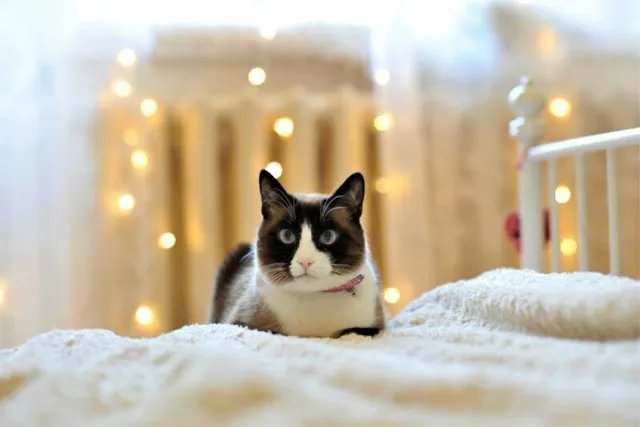
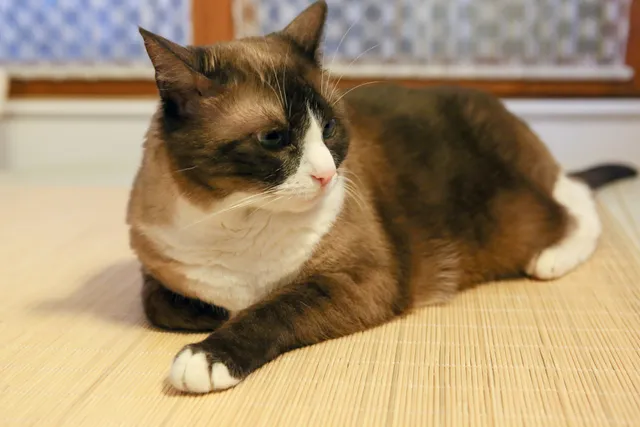
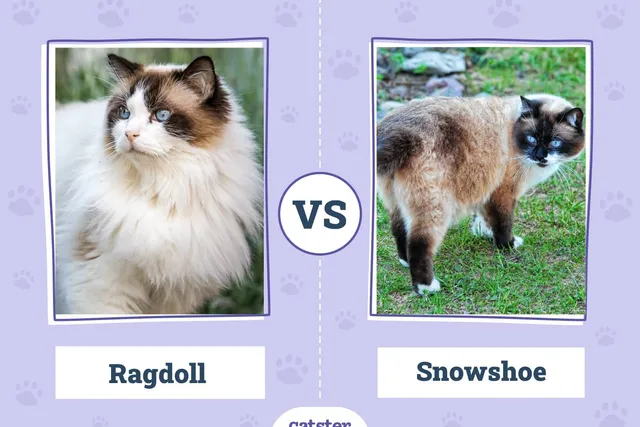
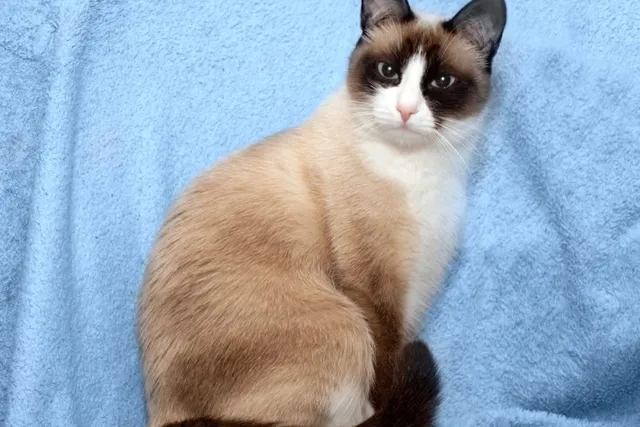
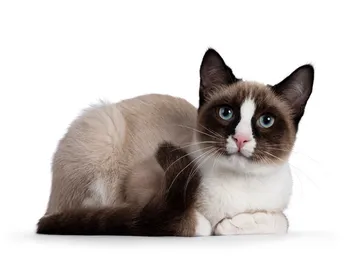
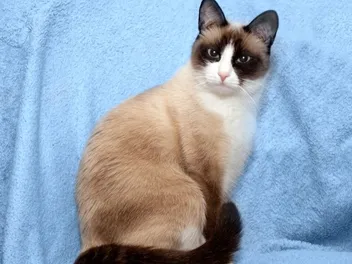
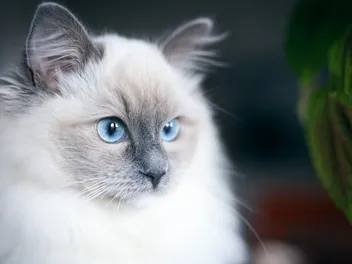
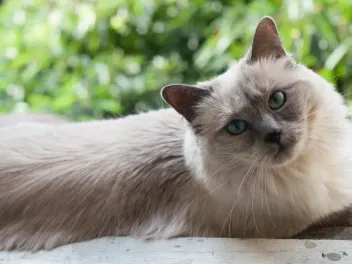
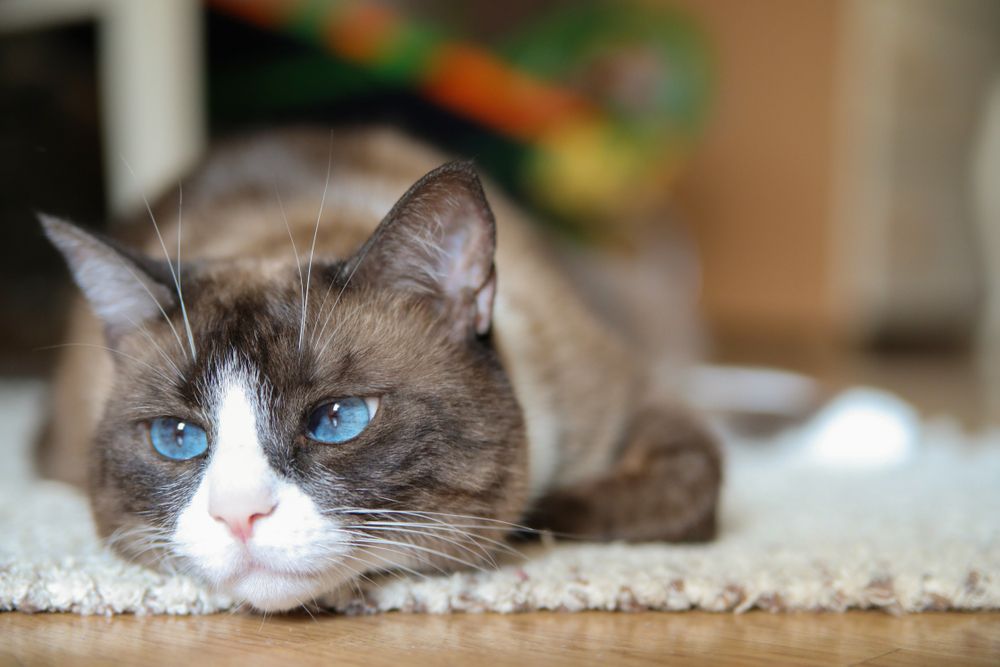
The Snowshoe Siamese Cat, usually referred to as just the Snowshoe Cat, is a hybrid that combines the American Shorthair and the Siamese. It gets its size from the Shorthair and its elegance and markings from the Siamese. The Snowshoe is a playful, loving, athletic cat that is considered a good breed for first-time owners, but it does require weekly grooming and benefits from having plenty of outdoor space to exercise in.
Breed Overview
Height:
Weight:
Lifespan:
Colors:
Suitable for:
Temperament:
The Snowshoe Siamese combines some of the traits of the Siamese with some of the American Shorthair. It has the Shorthair’s stature but the markings of the Siamese. It is loyal and loving but also active and playful. Some will bond closely with one human while others will take equally to all family members.
The breed is a good first-time cat because it isn’t overly demanding and while it does require some grooming, it won’t need daily attention to stay fit, healthy, and looking its best.
Snowshoe Siamese Cat Characteristics

Snowshoe Siamese Kittens

The Snowshoe is a hybrid that combines the American Shorthair with the Siamese, two of the most popular cat breeds. Although records indicate it was first bred in the 1960s, it remains a rare cat, which means that finding a Snowshoe kitten can prove difficult. Check with registered breeders of both parent breeds. They might have litters that combine the two.
Alternatively, check with breed groups on social media and online. Although the breed is a hybrid, it achieved experimental status in the 1980s and was officially recognized by TICA and the American Cat Fanciers’ Association in the 1990s. Its official status and its rarity combine to mean that you may have to pay a premium for one of these breeds.
Because it is a recognized breed, it is unusual to find it in rescues and shelters, but it is always worth enquiring. Adopting not only has lower costs than buying from breeders but also offers a loving home to a cat in need.
The Snowshoe Siamese kitten itself should be alert and lively. They will want to explore and develop their athletic abilities from quite a young age. Snowshoe Siamese kittens can keep you on your toes. They are also intelligent and affectionate, which means that they should be easy to litter train.

Temperament & Intelligence of the Snowshoe Siamese Cat 🧠
As with any breed, Snowshoe Siamese cats display different temperaments according to the individual. However, the Snowshoe cat is generally considered an amiable, affectionate, and loyal cat. It can bond with multiple people or may bond more closely with one human. They will usually get along with other animals, too.
This playful breed will enjoy games with the family, and will especially enjoy being given time outdoors to run, climb, and explore. If you keep them exclusively indoors, the Snowshoe cat will need to be given lots of opportunities to run around and burn off energy.
Although they can be a little chatty, the Snowshoe cat is not known for being overly vocal. Although they are intelligent enough to get their message across and let owners know what they want.

Are These Cats Good for Families? 👪
Both the Siamese and the American Shorthair are known for being good family pets because they get along with people of all ages and are affectionate, loyal breeds. It should come as no surprise that the Snowshoe Siamese is considered equally family-friendly. Although it is a quiet breed, the Snowshoe can become quite bossy with its humans, and it knows how to get what it wants.
Does This Breed Get Along with Other Pets? 🐶🐱
As well as being friendly with people, the Snowshoe is generally friendly with other cats and even with cat-friendly dogs. Obviously, this depends on the character of the other animal. It can be beneficial to have a second cat to keep a Snowshoe entertained, although you can expect a degree of mischief in any case.
If you are getting a Snowshoe and have other pets, take introductions slowly to ensure you don’t spook either animal. If you try throwing them together and letting them resolve any differences, it can lead to acrimony.
Things to Know When Owning a Snowshoe Siamese Cat
The Snowshoe is a friendly, fun cat. They usually get along with people and other animals and are intelligent so can be litter-trained easily and will learn routines and habits quickly. While they can make a great pet for families that want an affectionate kitten, no breed is perfect for all owners. Below are some other factors to consider when thinking about taking on a Snowshoe cat.
Food & Diet Requirements 🐡
Like all cats, Snowshoes are obligate carnivores which means they should really get all of their nutrients from meat and animal ingredients. However, most commercial foods incorporate vegetables, fruit, and other ingredients, to hit their nutritional requirements.
You can feed wet food, dry food, or a combination of the two, following the manufacturer’s feeding guidelines. If you do feed a combination of dry and wet food, adjust feeding levels accordingly to avoid overfeeding.
If you feed treats, for example as a training aid, take the calories, sugar, and fat in the treats and amend your cat’s daily food volume accordingly.
Although it can be difficult to convince a cat to regularly drink water from a water bowl, you need to provide fresh water and ensure it is accessible throughout the day. Make sure the water isn’t too close to the cat’s food or its litter tray and consider getting a fountain or other bowl that moves the water. Your cat will be more likely to consume water from a running source.

You might want to check this out: Best Cat Food Bowls: Reviews & Top Picks
Exercise 🐈
The Snowshoe is a lively cat that requires plenty of daily exercise to stay fit and healthy. This can mean giving your cat time outdoors but if it is kept exclusively indoors, you will need to provide towers, and scratch posts, and offer regular playtime. Wand toys are beneficial because they allow interaction between you. A cat wheel can also prove useful if your cat is open to the idea of using one.
Training 🧶
These smart cats are considered quite easy to train. The breed is intelligent enough that it should learn litter training quickly.
Use positive reinforcement techniques to teach some basic tricks and commands. For example, if you want to train your cat to fetch, you will use similar techniques to training a dog. Throw a cat toy and clearly say fetch. If your cat brings the toy back to you, offer a treat and praise them. You can train handshakes, fist bumps, and other tricks too.
To discourage a Snowshoe from scratching furniture or destroying items around the house, distract them from the unwanted behavior and offer an alternative. For example, place a scratch post near the chair the cat scratches. When it scratches the chair, say no, and encourage them to use the scratch post instead. Whenever you see the cat at the scratcher, offer a treat and praise.
In time, they will scratch the scratcher, rather than the furniture, because they want the praise and reward. Be consistent with your training to enjoy the best chance of success.

Grooming ✂️
The inclusion of the American Shorthair and the Siamese means that the Snowshoe does not require too much in the way of regular grooming. Weekly brushing will help keep the coat looking glossy and healthy. Check claws every couple of months, especially if yours is an indoor cat, and brush your cat’s teeth at least three times a week. Start grooming when your cat is young. Make the experience as positive and enjoyable as possible, and stay calm.
Health and Conditions 🏥
Although the Snowshoe is a generally healthy cat, there are some conditions that you should keep an eye out for. General conditions that affect this breed include a kinked tail and the cross-eyed features common to the Siamese breed. These shouldn’t cause any health concerns, however, and are purely aesthetic.
Possible health complaints include kidney disease and heart disease, which are fairly common in cats of all breeds.

Male vs Female
Females are generally smaller than males, as is true of most cat breeds. Regarding temperament, gender has little studied effect, and the individual character of the cat as well as training and other environmental factors are more likely to have an effect.
3 Little-Known Facts About the Snowshoe Siamese Cat
1. They Are Born White
Snowshoes can have a variety of markings and colorpoints as adults, but they are born white with very faint signs of their markings. The markings will become increasingly obvious as they age, and by the time the cat reaches full maturity at about 2 years of age, the markings should be obvious.
2. Their Eyes Are Blue
As with the Siamese parent breed, the Snowshoe cat always has blue eyes. If it doesn’t have blue eyes, it is likely a hybrid that combines other parent breeds. Unlike the Siamese, the Snowshoe’s eyes should be more rounded, and they can come in any of a range of different shades of blue, but they should be blue.
3. Snowshoes Typically Love Water
This playful and inquisitive breed lives to investigate everything, and their inquisitive nature isn’t reserved solely for dry land. The Snowshoe is one breed that not only tolerates but actively enjoys being in the water. If you let your cat out, you can expect it to spend time around, near, or even in ponds and natural bodies of water.
If yours is an exclusively indoor cat, offer a shallow bowl of water to play in, or turn the tap on and let them splash around for a few minutes.

Final Thoughts
The Snowshoe is an officially recognized breed of cat. It was recognized in the 1990s, having been through experimental breed status and as a result of breeding Siamese and American Shorthair cats. It is friendly, affectionate, lively, and playful. It can make a great family cat for the right family and will typically get along with all family members, although some do form a closer bond with one human over all others.
They are energetic cats, which means you need to find ways to provide regular exercise, but their grooming requirements are minimal, and they are considered a healthy breed that can enjoy a long lifespan of up to 20 years.
As well as getting along with humans, the Snowshoe can form close relationships with other cats and even with cat-friendly dogs. It is inquisitive and very intelligent, and as well as being easy to litter train, it is possible to train this breed to perform some basic tricks and to behave well around the house.
See also: Siamese Cat Genetics
Sources
Featured Image Credit: Aleksandar Nalbantjan, Shutterstock
Expert cat care, straight to your inbox
News, insights, and useful advice, delivered to you.

No spam — unsubscribe anytime.
By signing up, you agree to our Terms & Conditions and Privacy & Cookies Policy.
How useful was this post?
Click a star to rate. You can leave written feedback afterwards. (We read all feedback.)

Christian started writing for a local newspaper as a teenager, and he's been involved in the publishing industry for most of his adult life. Combining his love of writing with a passion for animals, he is currently the Director of Editorial at Pangolia and the Editor-in-Chief at Catster.
Christian lives in the Philippines with his wife, son, and four rescue cats: Trixie, Chloe, Sparky, and Chopper.