15 Hazards That Could Hurt or Kill Your Cat & How to Avoid Them (Vet Reviewed)


In this article
When you are at home relaxing with your cat, you might be totally oblivious to all the hazards around the home. After all, we don't foresee some events, making it difficult to navigate. While we could go on for hours about toxic substances your cat can eat that can hurt or kill them, we want to expand.
In this article, we will explore dangers that you might not think about. Even though these are often completely accidental and unexpected, you can still watch carefully to ensure your pet is safe.

The 15 Hazards That Could Hurt or Kill Your Cat
1. Predators

If you let your cat outside, predators are one of the most dangerous things they can encounter outdoors. Interestingly, the same can be said for certain animals we have in our own home.
If you have a dog that is moderately prey-driven or aggressive, you might think that they get along well with your cat, but it could just be a tipping point before something irreversible happens. It is very important to understand the temperament of our canine friends as well as the environment.
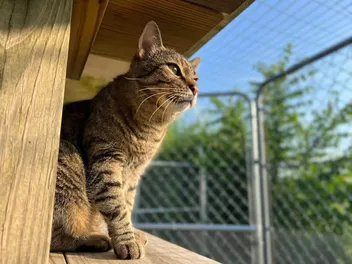
We put our cats in danger when we let them outside, even though it might be unintentional. Cats can not only get into street fights with other cats, but they also get attacked or killed by coyotes, bobcats, and even birds of prey.
2. Fighting
Any cat can be susceptible to a fight, even if they are spayed or neutered. However, it is much more common for an intact cat to get into trouble with other felines.
While it might seem like cats will have a go at it and call it a day, secondary issues can happen after catfights that can be very problematic. Not only can cats transfer diseases between each other by fighting, but they can also be susceptible to infections called abscesses.
3. Hormones, Illnesses, and Diseases
There are many illnesses and diseases that can hurt or kill your cat, whether they are inherited or acquired later on. Vet checkups are important from the time you get your cat so that illnesses and diseases can be treated early.
It’s almost important to take your cat to the vet if you notice anything unusual that could indicate an illness or disease so that they can get started on the proper treatment.
4. Electric Shock

It’s no secret that our cats like to claw and chew. If your cat gets a hold of a live wire, it can electrocute and kill them. Even if it doesn’t kill them, it can cause them pain, due to burns and other issues.
Your cat can get electrocuted by chewing on extension cords, phone chargers, or even by putting their paw inside of the toaster. So, if your kitty likes to chew on things, it's best to keep electrical cords out of their reach when you can.
5. Vehicles
If you let your cat outside, vehicles can be a real issue. When you first hear of vehicles being dangerous to cats, the very first thing that will come to your mind is them being hit by a car. It is a very real possibility when your cat is out, no matter if you live in a rural setting or a city atmosphere.
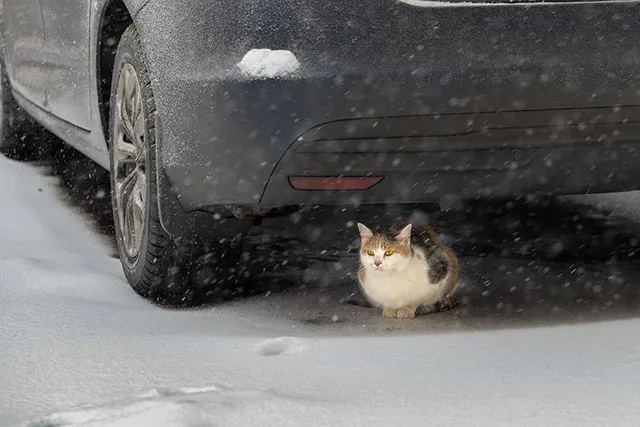
However, one thing you might not have thought of is when it is very cold outside, your cat is susceptible to getting hurt or killed by a warm vehicle. Many cats crawl up in the hood or on top of tires during the wintertime to protect themselves from freezing temperatures.
In the morning, when a person is unaware that the cat is there, they can drive off with them inside of the car or on the tire, potentially causing injury or death. At the very least, your cat could end up displaced if they do make it to your destination safely.
6. Extreme Temperatures
Again, if you let your cat outside, they can be extremely susceptible to both extreme hot and cold temperatures. Very cold temperatures can cause hypothermia, frostbite, and gangrene. Hot temperatures can cause burns on the paws, heat exhaustion, and even heat stroke.
7. Essential Oils

Essential oils are a hot commodity in homes these days. We tend to use them for everything from aromatherapy to topical treatments. However, because they’re heavily concentrated, they can be problematic or even deadly to our companions.
It is important to understand every single essential oil and its risks to cats when you have them anywhere near your pets in the home. You might read on one website that a certain essential oil is extremely toxic and go to another where they claim it’s perfectly safe.
Always be sure to ask your veterinarian which essential oils are safest and how to use them around cats safely.
8. Strings
Cats love to play with strings; there’s really no surprise there. However, if these strings are ingested, or get tied around your cat in any way, it can become dangerous very quickly.
If your cat gets a string tied around their neck or even just around their paw, it can cause strangulation or the loss of blood supply to a limb. If they swallow a string, it can cause intestinal damage and require emergency surgery.
9. Candles, Wax Burners, and Hot Tools
Most people absolutely love having some candles on hand. They smell terrific, and they make the home feel warm and cozy. But our curious cats can sometimes let their adventurous nature get the best of them.
They could knock over a candle and start a fire, get burned on the flame, or tip hot wax over on them and encounter severe burns. Another heat hazard in the home would be a hair straightener, curling iron, or stove burner.
These objects can get extremely hot and cause massive injury with just a few seconds of touch. Your cat would certainly require a veterinary visit after any type of burn to prevent infection and to ensure that you have the proper wound care.
10. Heights

Our cats love to climb. A lot of times, the higher up the better for the cat. However, our felines might have nine lives, but they're not invincible. If your cat falls unexpectedly from a height, such as out of a window, off of a roof, or from another high surface, they can die on impact.
If they don’t die, they can sustain significant injuries to their limbs, and even experience internal bleeding if the impact was hard enough. After all, cats don’t always land on their feet, and even if they do, it doesn’t necessarily prevent an injury from taking place.
11. Cubbyholes
We all know that cats love to squeeze in tiny places. Many of them find little nooks and crannies to explore and take naps in. However, sometimes cats can get into certain areas that they can't get out of very easily. If this happens without you knowing, they might end up injuring themselves trying to get out, or become stuck and suffer dehydration.
Always make sure to keep an eye out for small problem areas in the home, even if it doesn't quite seem like your cat could fit. They can surprise you with how many places they can squeeze into if they're determined.
12. Parasites
Most cat owners know how important parasite prevention is for routine cat care. After all, nobody wants their cat to suffer from pesky fleas, ticks, or worms. It can cause a bunch of gastrointestinal symptoms and a whirlwind of other health concerns.
However, ticks can cause some serious health problems, including death, for our feline friends. Ticks can cause several very serious illnesses, including tick paralysis. This dangerous and rare US illness causes paralysis in the body and breathing problems, and potentially death.
Always make sure to get the veterinary-recommended brand of flea and tick prevention.
13. Collar Choking

Collars can come in handy for a variety of reasons. We can put our cat’s identification on them, have a little jingly bell to detect them in the darkness, and ensure that anyone on the outside knows that this is someone's pet.
However, collars can be equally dangerous. If your cat gets it tangled or caught on anything, it can easily cause strangulation, especially if they are struggling to break free and failing to do so.
Luckily, there are ways around this, such as buying breakaway collars and other mechanisms designed to free your cats if there is any kind of struggle.
Outdoor cats need comfortable, sturdy collars with wildlife-alerting bells and safe quick-release buckles. Hepper's Breakaway Collar offers all that and more, with a fashionable range of colors, natural hemp webbing, and adjustable slip-locks that will fit any cat. We love this collar, and we think your cat will, too!

- Hemp-Hemp Hooray - hemp breakaway cat collars are long-lasting and resistant to UV rays – The tight but breathable hemp knitting provides a stretch cat collar that's as durable as your pet
- What the neck?! - Our cat breakaway collar has adjustable sizing with metal slip-locks, and softens with use. This means its ideal bought as kitten collars for girls or kitten collars for boys
- Breakaway Safety - Cat collars breakaway to ensure that when out adventuring, the material getting caught doesn't mean your cat will be too. This cat safe collar gives you peace of mind, wherever they are
At Catster, we’ve admired Hepper for many years and decided to take a controlling ownership interest so that we could benefit from the outstanding designs of this cool cat company!
14. Human Companions
We're not really talking about abuse. That's a whole different story and a subject we won't get into in this article. However, human companions can be one of the leading causes of unintentional cat deaths. We can step on, trip over, sit on, or even accidentally run over our own pets.
Accidents happen and there's really no right or wrong way to navigate this. It's simply something that has the potential to happen, especially when the kitten is very young or you have young kids. So, if you have a cat around, just be sure to keep a watchful eye to prevent any accidental injuries or deaths, and make sure to teach your children from an early age how to properly interact with a cat.
15. Doors/Hinges

Doors open and close, and some do so with some gusto. This can be a real danger if you are opening and shutting doors or opening and closing ovens, microwaves, and other hinged doors. Cats can get their paws and tails stuck in between the door and door frame.
In rare but unfortunate cases, they might also get their abdomen or neck in the way as well. You can imagine how this could hurt or even kill them if the door was heavy or slammed hard enough. In fact, many cats need their tails amputated for this very reason. So, if you ever see a cat with a little stubby tail, there might be a big story behind it.
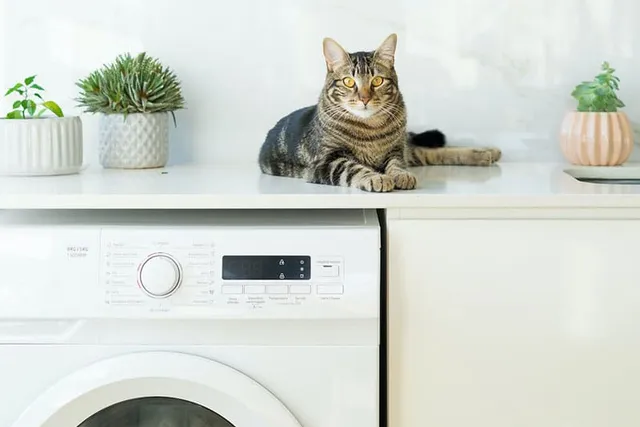
It’s also important to keep the doors to washing machines and dryers closed when these appliances are not in use. Your cat could be in there taking a snooze on the clothes, and you might not be aware before starting the machine. It's always good to double check for your cat’s presence if you accidentally left the door open.
Common Cat Injuries
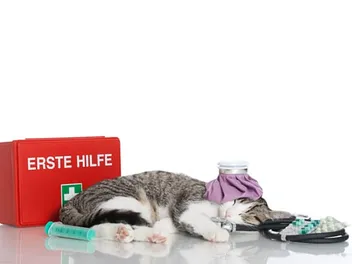
Of all the ways our cats can get hurt or injured, what exactly are the most common types of emergency injuries for felines? Here are a few, according to the RSPCA.
Importance of Insurance
You might’ve thought about having pet insurance before, but not really enough to follow through with it. We would like to bring to your attention that accidents happen, even if we’re very careful about preventing them, and emergency vet visits can be extremely expensive.
Many families are forced to put their pets down every year due to not being able to afford emergency surgeries and other medical interventions. Having pet insurance is a fantastic way to provide an extra layer of financial protection when your cat is in need.
The last thing you will ever want to do is be faced with a situation where your animal has been injured and there's no way for you to compensate for vet care. There are tons of pet insurance companies that offer budget-friendly options for cat owners.
There are even long-standing insurance companies for humans that have adopted pet insurance policies as well. If you have one of these companies, you can bundle your cat insurance with your current policies.

Cost of Emergency Vet Care
It might be helpful for you to be more vigilant or opt for pet insurance if you see a breakdown of the average cost of emergency vet care for cats. Different types of injuries require certain treatments or surgeries to rectify any damage or complications.
Below are the commonly performed procedures and treatments that might be needed when a cat is hurt, along with their average costs.
| X-rays | $200–$400 |
| Tumor biopsy | $500–$4,000 |
| Ultrasound | $350–$600 |
| Urine culture | $25–$100 |
| DDC genetic testing | $20–$80 |
| MRI/PET | $1,500–$2,500 |
| Amputation surgery | $1,170–$2,400 |
Conclusion
Now you understand a little bit more about some of the common risks involved with owning a cat. Our cats can get into just about anything in the home and outside. It's often hard to foresee certain things that happen, but we can work diligently to provide a safe environment.
If you would like coverage in times of emergencies, you can always research the best pet insurance for your budget to cover any unexpected costs. After all, our four-legged furry buddies deserve to be protected.
Featured Image Credit: VGstockstudio, Shutterstock
Expert cat care, straight to your inbox
News, insights, and useful advice, delivered to you.

No spam — unsubscribe anytime.
By signing up, you agree to our Terms & Conditions and Privacy & Cookies Policy.
How useful was this post?
Click a star to rate. You can leave written feedback afterwards. (We read all feedback.)
As a freelance dog writer and passionate pet enthusiast, Ashley Bates is pursuing studies in animal therapy. A mother to four human children and 23 animal companions, Ashley is dedicated to volunteering at shelters, advocating for animal rights, and rescuing animals in need. Her goal is to spread awareness, provide education, and offer entertainment about pets to reduce homelessness. Ashley's specialties include dogs and cats.