How to Bottle Feed a Kitten: Vet-Approved Tips & Feeding Chart (With Video)


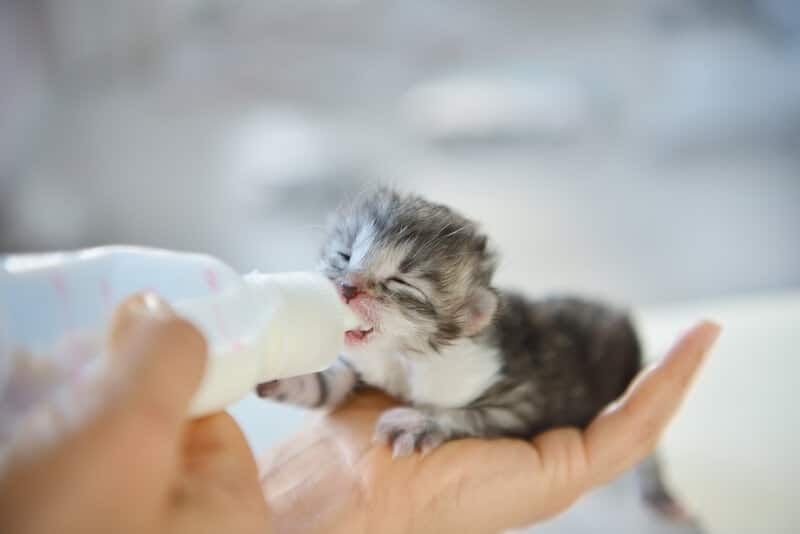
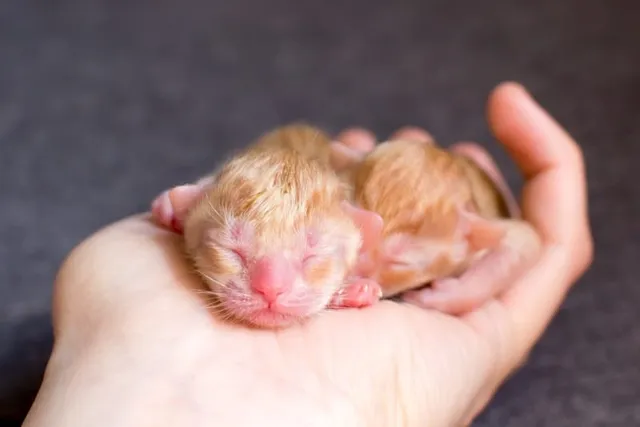
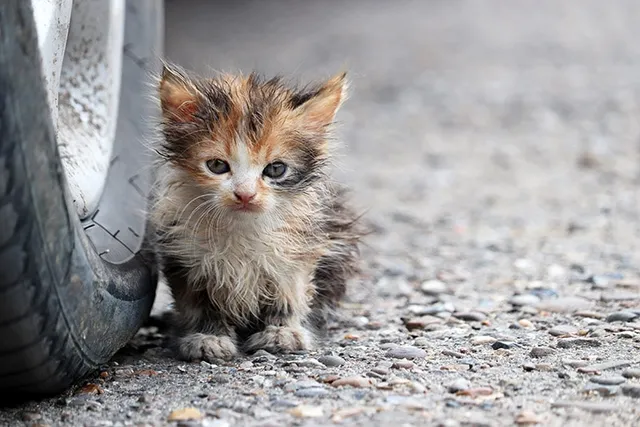
Kittens are quite vulnerable and need a great deal of nurturing and care during the first few weeks of their lives. Generally, their mothers are capable of caring for them on their own. However, there are cases in which a kitten becomes orphaned or requires the intervention of a human caregiver.
Being a foster caregiver for a kitten is not an easy task, as it requires a significant amount of time and attention. Orphaned kittens need a solid feeding routine to ensure their survival and increase the chances of healthy growth and development. Here are a few tips for bottle-feeding kittens.

What to Consider When Bottle Feeding a Kitten

There are three main things to consider when learning how to bottle-feed newborn kittens:
- The type of formula
- Formula-to-water ratio
- Warming up the formula
Make sure only to use a formula that’s been approved by a veterinarian. It’s also important to follow the preparation instructions for the formula and use the correct water-to-formula ratio.
Familiarize yourself with how much and how often to feed your kitten, as underfeeding will inhibit healthy growth, while preparing too much formula will result in food waste and potentially, diarrhea. You can usually get feeding guidelines from the veterinarian. These will provide an estimate of how much formula to make and how often to feed a kitten according to their age and weight.
Kittens also ideally need warmed-up formula. A thermometer and a container filled with hot water will help you to heat the kitten formula to the right temperature.

How to Bottle Feed a Kitten
1. Prepare the Kitten Formula
Familiarize yourself with the preparation instructions written on the kitten formula label. Oftentimes, kitten formula requires two parts water to one part formula powder. Warm the water before adding a scoop of kitten formula. This will ensure that the powder dissolves completely without leaving any clumps. After you’ve mixed the formula thoroughly, pour it into a container, and label it with the date and time to ensure you don’t feed your kitten expired formula. Most mixed formula will be good for 24 hours in the refrigerator, so you can make enough for one day’s feeding schedule.
When it’s time to feed your kitten, pour the appropriate amount of formula into a bottle. Then, place the bottle into a warming receptacle. You can use a bottle warming machine or fill a container with hot water and place the bottle in it to let the water heat the bottle gently. The formula should reach about the same temperature as your skin.
2. Position the Kitten Correctly Before Feeding
Make sure to always wash your hands before handling kittens. When it’s time to eat, gently place your kitten on a soft towel or a potty pad. Kittens should be positioned how they naturally nurse from mother cats. This means that they should be on their bellies, not cradled on their backs.

3. Help the Kitten Find the Bottle
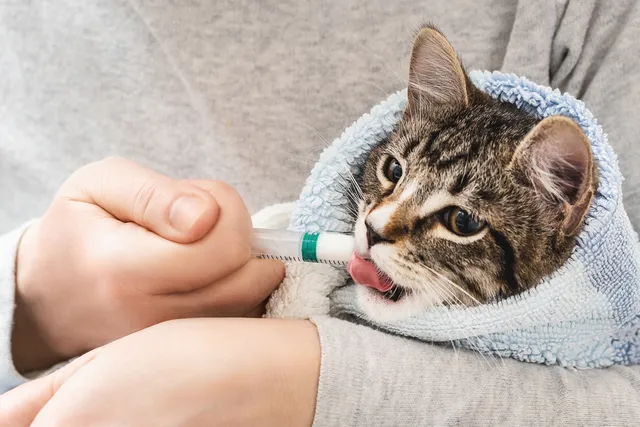
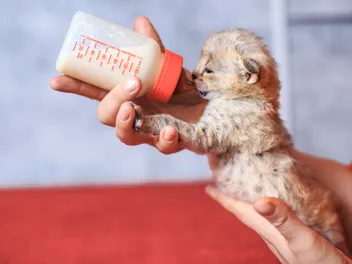
Newborn kittens will need some help getting used to nursing from a bottle. You can encourage them to suckle by opening their mouth with your fingertip and slipping the bottle nipple to their lips. If your kitten is suckling correctly, you’ll see their mouth create a vacuum and see the formula drain from the bottle at a steady rate. The kitten’s ears will also move back and forth every time they swallow.
4. Hold the Bottle Correctly
It’s important to hold the bottle correctly to prevent the kitten from gulping in extra air. The bottle should be held at a 45-degree angle and be at face level with the kitten. You don’t want to have the kitten strain their neck to drink. Make sure also to have a firm and steady grip on the bottle. Don’t follow the kitten’s tugging, as this will prevent them from being able to create a vacuum and suckle from the bottle.

5. Assist the Kitten With Eliminating
Young kittens can’t defecate or urinate on their own and need their mother’s help after they’ve nursed. Mother cats usually lick their kittens’ back ends to stimulate their bowel movement. You can mimic this by using a cotton ball or cloth that’s been dampened with warm water. Gently rub the genital and anal area with it. Use a back-and-forth motion, and apply light pressure to help the kitten eliminate. Stop rubbing right after the kitten finishes eliminating, as overdoing it can cause irritation and chafing.
Frequently Asked Questions
You may experience some challenges as you’re bottle-feeding your kitten. Here is additional information that will help you raise a healthy kitten successfully.
How Often Should I Bottle Feed a Kitten?
Kittens should be fed based on their age and weight. Here’s a general chart that shows how much and how frequently kittens should nurse:
| Age | Weight | Amount per Feeding | Feeding Schedule |
| 0–1 week | 50–150 grams | 2–6 milliliters | Every 1–2 hours |
| 1–2 weeks | 150–250 grams | 6–10 milliliters | Every 2–3 hours |
| 2–3 weeks | 250–350 grams | 10–14 milliliters | Every 3–4 hours |
| 3–4 weeks | 350–450 grams | 14–18 milliliters | Every 4–5 hours |
| 4–5 weeks | 450–550 grams | 18–22 milliliters | Every 5–6 hours |
| 5–8 weeks | 550–850 grams | Start weaning | Every 6 hours |
What Should I Do If a Kitten Refuses to Eat?
Kittens may refuse to eat for a variety of reasons. One common reason is that they still don’t know how to suckle and may need extra help latching to the bottle nipple. You can try encouraging a kitten to nurse by using a toothbrush to stroke their back gently. This mimics a mother cat grooming their kitten, and it can encourage kittens to nurse.
Another reason that a kitten may not drink formula is the formula temperature. Kittens typically will not drink formula that’s too cold or too hot. In some cases, kittens may stop nursing because they’re full. If this is the case, you can try nursing them again after some time has passed.
If your kitten consistently refuses to nurse after a few attempts, make sure to contact a veterinarian. Keeping up with a regular feeding schedule is essential for kittens. So, it’s important to figure out what is preventing your kitten from eating as soon as possible.
Conclusion
Bottle-feeding a kitten requires a lot of time and effort. Newborn kittens will need help with everything, including learning to nurse and eliminating bodily waste afterward. While it takes much work to raise a kitten because you have to be careful with all the details, especially with the formula you are going to use, it’s certainly a worthwhile and meaningful experience. It’s extremely rewarding to witness a tiny baby kitten grow up to become an independent cat, and it makes all the effort worth it.
Sources
Featured Image Credit: KayaMe, Shutterstock
Expert cat care, straight to your inbox
News, insights, and useful advice, delivered to you.

No spam — unsubscribe anytime.
By signing up, you agree to our Terms & Conditions and Privacy & Cookies Policy.
How useful was this post?
Click a star to rate. You can leave written feedback afterwards. (We read all feedback.)
Jessica is a freelance writer who spends most of her day researching and writing while her fluffy Cavapoo, Nora, naps beside her. She loves and appreciates pets and animals because there’s so much to learn from them, and they do so much for people. As a dog owner, she understands the special connection that pet owners form with their pets. She loves sharing helpful information that people can use to better understand their pets. When she’s not writing, you can find her walking dogs, tending to her plant babies, or drinking her nth cup of coffee.